
Which Industrial-Grade Gate Systems Offer the Most Reliable Security?
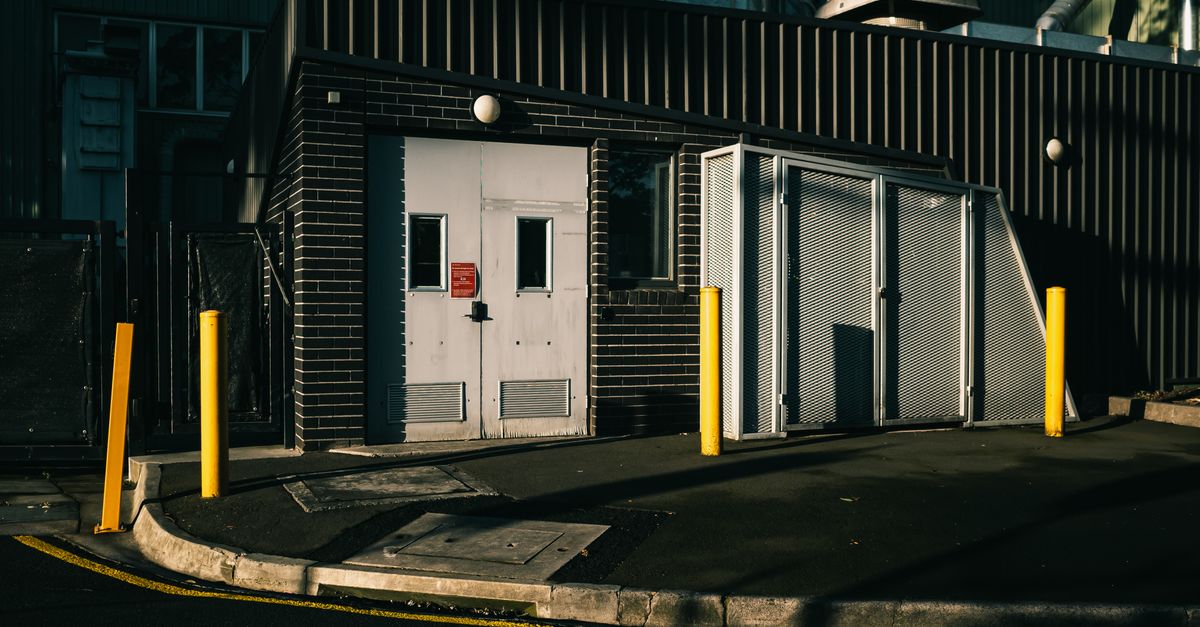
The security of an industrial facility depends on how well each component—gate systems, fencing, automation, and maintenance—works together to create a robust perimeter. This guide walks through every element you need to evaluate so you can select a gate system that delivers maximum protection while staying functional and cost‑effective.
Understanding High-Security Perimeter Solutions
A high‑security perimeter is an integrated network of physical barriers, access controls, and monitoring systems designed to deter intruders and enable rapid response. Core components include:
- Barrier integrity: heavy‑duty fencing that resists climbing or cutting.
- Gate control: automated or manual gates regulating entry points.
- Access monitoring: cameras, motion sensors, and alarm systems.
- Operational protocols: clear procedures for maintenance, inspections, and incident response.
Choosing the right combination reduces liability, protects intellectual property, and ensures regulatory compliance. For example, a data center might pair laser‑cut steel panels with biometric gate access and 24/7 CCTV to meet audit requirements, while an outdoor storage yard could rely on reinforced chain link fencing with RFID readers and motion‑detected lighting for cost efficiency.
Evaluating Industrial-Grade Gate Systems
Gate systems are the first line of defense against unauthorized access. When assessing them, consider these categories:
Types of Gates
- Electric swing gates: common for warehouses; reliable but need regular motor maintenance.
- Roll‑up or vertical lift gates: ideal for high‑traffic areas; offer quick operation and robust security.
- Barrier arm gates: simple, low‑cost option suitable for smaller facilities.
Variations such as pivot gates or double‑arm systems can provide higher clearance or enhanced aesthetics. Select the type that matches your site layout, traffic flow, and desired automation level.
Material Durability
The frame should be galvanized steel or stainless steel to resist corrosion. Reinforced composite panels add weight and resistance to forced entry. Powder coating protects against weathering while allowing a customizable finish for branding.
Security Features
- Access control integration: RFID readers, biometric scanners, or PIN pads.
- Alarm triggers: immediate notification when a gate is tampered with.
- Redundancy: dual motors and backup power supplies to avoid single points of failure.
Heavy-Duty Fencing Options
The fence is the backbone of any perimeter. Heavy‑duty fencing must balance strength, visibility, and cost. Common choices include:
Steel Mesh (Welded Wire)
- High tensile strength.
- Flexible installation over uneven terrain.
- Requires periodic galvanization to prevent rust.
Ideal for large open spaces where a quick, cost‑effective barrier is needed. Combine it with anti‑climb coatings or motion sensors for added security.
Chain Link with Anti-Climb Features
- Slanted or angled links.
- Reinforced with steel plates for extra strength.
- Cost‑effective but less visually intimidating.
A good compromise for medium‑risk areas that still require vehicle access.
Welded Steel Panels
- Solid, non‑penetrable barrier.
- Ideal for high‑risk zones like data centers.
- Larger footprint and higher upfront cost.
These panels provide the highest level of physical security but need professional installation to ensure proper anchoring and seam integrity. Their intimidating appearance also serves as a deterrent.
Key takeaway: match fence material to threat level and terrain—steel mesh offers flexibility, welded panels deliver uncompromising strength.Gate Automation Services
Automation turns a gate into an intelligent access point. Primary benefits include:
- Convenience: remote control via mobile app or central desk.
- Real‑time monitoring: instant alerts for unauthorized attempts.
- Integration: seamless connection with CCTV, access logs, and alarm systems.
Common Automation Solutions
- RFID card readers paired with gate actuators.
- Biometric scanners (fingerprint or iris) for high‑value zones.
- Smart sensors that detect tampering and trigger alarms automatically.
Select vendors based on firmware update capabilities, cybersecurity protocols, and support response times. Many systems now offer cloud dashboards so security teams can view status from any device.
The initial investment in automation can be offset by reduced labor costs, improved compliance, and lower insurance premiums. In a recent logistics hub project, predictive maintenance lowered unexpected downtime from 3% to 0.5% annually.
Fence Repair and Maintenance Best Practices
A proactive schedule protects against failures that could compromise security:
Inspection Schedule
- Daily: verify gate operation, check for visible damage.
- Monthly: assess corrosion, loose fittings, and sensor functionality.
- Annual: re‑galvanize metal components, replace worn bearings, recalibrate sensors.
Common Repair Issues
- Rusted bolts or hinges.
- Broken or misaligned panels.
- Damaged gate motors or control circuits.
- Sensor malfunctions due to dirt accumulation.
Preventive Maintenance Checklist
- Lubricate moving parts every six months.
- Replace corroded fasteners immediately.
- Test alarm and backup power systems quarterly.
- Clean sensor lenses monthly to ensure clear detection.
Seasonal weather changes—heavy snow or high humidity—accelerate corrosion. Applying a protective sealant after each winter season extends the life of steel components and reduces maintenance frequency.
Choosing the Right Combination for Your Facility
Selecting a perimeter solution involves balancing risk, budget, and operational needs. Use this decision matrix:
| Risk Level | Budget Tier | Recommended Fence | Gate Type |
|---|---|---|---|
| Low (small retail) | Basic | Chain link with anti‑climb | Barrier arm gate |
| Medium (warehouse, manufacturing) | Mid | Steel mesh (welded wire) | Electric swing or roll‑up gate with RFID |
| High (data center, critical infrastructure) | Premium | Welded steel panels | Automated lock‑down gate with biometric access |
A mid‑size chemical plant facing moderate theft risk would benefit from a welded wire fence combined with an electric swing gate integrated with RFID readers and backup solar power.
When customizing, consider the number of access points, vehicle traffic volume, and whether oversized equipment must pass. A larger clearance may require a vertical lift design rather than a swing gate.
Common Mistakes to Avoid
- Ignoring access control integration: A gate without proper credentials can become a vulnerability.
- Neglecting regular inspections: Small damages can evolve into critical failures.
- Skipping insurance compliance: Policies often require specific perimeter standards; failure to meet them can void coverage.
Addressing these pitfalls early preserves safety and financial integrity. An unmonitored gate that fails during a power outage could allow unauthorized entry, leading to liability claims that exceed the initial cost of automation.
Future Trends in Perimeter Security (2026)
The security landscape is evolving rapidly. Key trends include:
- AI‑driven analytics: Real‑time threat detection from video and sensor data enables proactive responses before a breach occurs.
- Smart sensors: Edge devices process information locally, reducing bandwidth needs and improving resilience against network outages.
- Energy‑efficient actuators powered by renewable sources such as solar panels or kinetic harvesters reduce long‑term operational costs.
Staying ahead means investing in modular systems that can be upgraded without a full overhaul. Many vendors now offer firmware upgrade paths that allow new AI modules to integrate seamlessly with existing hardware, ensuring your perimeter remains future‑proof.
What specific security challenges does your facility face, and how have you addressed them with your current perimeter solutions?


