
Which Fence Type Should I Choose for Security, Privacy, and Long-Term Maintenance?
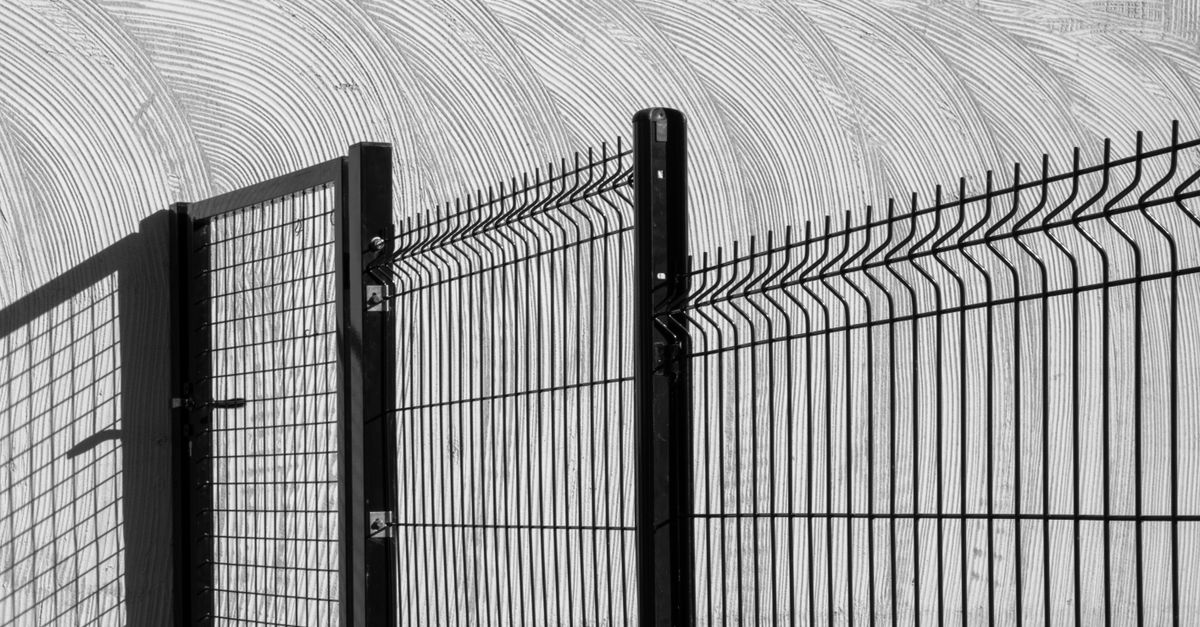
When it comes to protecting your property, creating a sense of privacy, or simply marking a boundary, selecting the right fence is more than a stylistic choice—it's an investment in durability and peace of mind. This guide breaks down the key factors that influence the decision between steel security fences, vinyl privacy fences, and other options, while also covering routine repair and maintenance, boundary marking solutions, and electric gate integration.
1. Understanding Fence Types
Fencing comes in a spectrum of materials, each with distinct characteristics. Steel security fences are engineered for strength and longevity; they resist tampering and can be reinforced with lockable gates or electric systems. Vinyl privacy fences offer low-maintenance convenience: they don’t rust, splinter, or need painting, but their rigidity can limit customizability in certain climates.
Other common options include timber (wood) for natural aesthetics, chain-link for cost-effective security, and composite panels that blend wood grain with plastic durability. Knowing the core purpose of your fence—whether it’s a deterrent against intruders or a screen to block view—is the first step in narrowing choices.
Each material reacts differently to environmental stressors such as humidity, temperature swings, and UV exposure. For instance, vinyl can warp under extreme heat if not properly ventilated, whereas steel may suffer corrosion without regular protective coatings.
In my experience, I once installed a steel security fence that required minimal upkeep after applying an epoxy primer and powder coating. The result was a clean, rust-free finish that lasted over a decade.
2. Factors to Consider
Before committing to a material, weigh the following criteria:
Purpose & Goals
- Security: Choose steel or reinforced chain-link with lockable gates.
- Privacy: Opt for taller vinyl panels or timber with solid boards.
- Aesthetics: Consider color, texture, and how the fence complements your landscape.
Budget is another critical factor. Steel fences typically have higher upfront costs but lower long-term maintenance expenses. Vinyl offers a moderate initial price with near-zero upkeep, whereas timber can be inexpensive initially but may need frequent staining or sealing.
Climate & Site Conditions
- Humidity: Vinyl resists moisture; steel needs protective coatings.
- Sun Exposure: UV can degrade vinyl; steel must have anti-corrosion paint.
- Wind Loads: Steel posts and heavy panels provide better wind resistance.
Local regulations, HOA bylaws, and property line disputes also influence the permissible fence height, materials, and installation methods. Always verify zoning codes before purchasing.
3. Fence Repair & Maintenance Basics
Regular inspection is key to extending a fence’s life. Look for loose posts, warped panels, or signs of corrosion on steel components. A quick visual check can catch small issues before they become costly repairs.
Routine maintenance tasks include:
Cleaning & Surface Care
- Wash vinyl with mild detergent to remove dirt and mildew.
- Use a wire brush or sandpaper on steel to prepare for repainting.
- Apply fresh sealant to timber every 2–3 years.
Repair small defects—such as a dented panel or broken lock—immediately. Replacing a single post is far cheaper than addressing widespread corrosion later. For electric gate systems, routinely test the sensors and ensure the power supply remains secure.
In my experience, I schedule a quarterly maintenance walkaround for each fence on my property. Catching a loose post early prevented a potential collapse during a storm.
4. Boundary Marking Solutions
Clear boundaries reduce disputes and improve safety. Traditional methods involve physical markers like posts or stakes; however, modern solutions can provide greater precision.
Consider the following boundary marking techniques:
Post & Marker Systems
- Use durable metal or PVC posts at 10–15 foot intervals.
- Attach clear signs indicating property lines for neighbors and visitors.
GPS-Based Boundary Mapping
Professional surveyors can create a digital boundary map that integrates with smart gate systems. This approach is especially useful on large estates or irregular plots.
In my experience, installing a simple PVC post marker system along the perimeter of my RV park helped clarify ownership lines for guests and reduced legal headaches.
5. Electric Gate Solutions
Automated gates add convenience and an extra layer of security. When paired with steel security fences or robust vinyl panels, they create a formidable barrier that can be opened remotely via smartphone or keypad.
Key considerations for electric gate integration include:
Power Requirements
- Ensure your property has adequate electrical supply; solar options are available for off-grid sites.
- Use weatherproof enclosures to protect the motor and control panel.
Safety Features
- Install photoelectric sensors or pressure plates to prevent accidents.
- Program a fail-safe that opens during power outages if safety is at risk.
Maintenance for electric gates involves lubricating moving parts, checking the door balance, and updating firmware on smart controllers. A well-maintained system reduces downtime and extends lifespan.
6. Comparative Analysis: Steel vs Vinyl Fences
Both steel security fences and vinyl privacy fences offer distinct advantages, but the right choice hinges on your primary objectives.
- Steel: Superior strength, adaptable to electric gates, ideal for high-security needs. Requires periodic painting or powder coating to prevent rust.
- Vinyl: Low maintenance, weather-resistant, excellent for privacy in residential settings. Less flexible for custom heights and may warp under extreme heat if not ventilated.
When cost is a major concern, vinyl usually offers the best balance of upfront price and ongoing savings. However, for commercial or high-value properties where intrusion deterrence is paramount, steel’s durability justifies its higher initial investment.
The most important factor is aligning fence choice with your primary goal—security or privacy—and then factoring in maintenance and local climate.7. Common Mistakes & Final Tips
Avoid the following pitfalls when selecting and maintaining a fence:
- Underestimating the cost of posts: Properly engineered post anchors are essential for load-bearing fences.
- Ignoring local regulations: Height restrictions or material bans can invalidate your investment.
- Poor drainage: Stagnant water against steel can accelerate corrosion; ensure proper grading.
To wrap up, evaluate your fence’s purpose, budget, climate, and maintenance capacity. Pair this assessment with a clear boundary marking strategy and consider electric gate integration if convenience is a priority. Once installed, commit to regular inspections and timely repairs to preserve integrity for years to come.
What specific challenges have you faced when maintaining your fence, and how did you address them?


