
When Should I Use Access‑Controlled Fence Systems Versus Heavy‑Duty Chain Link Fencing?
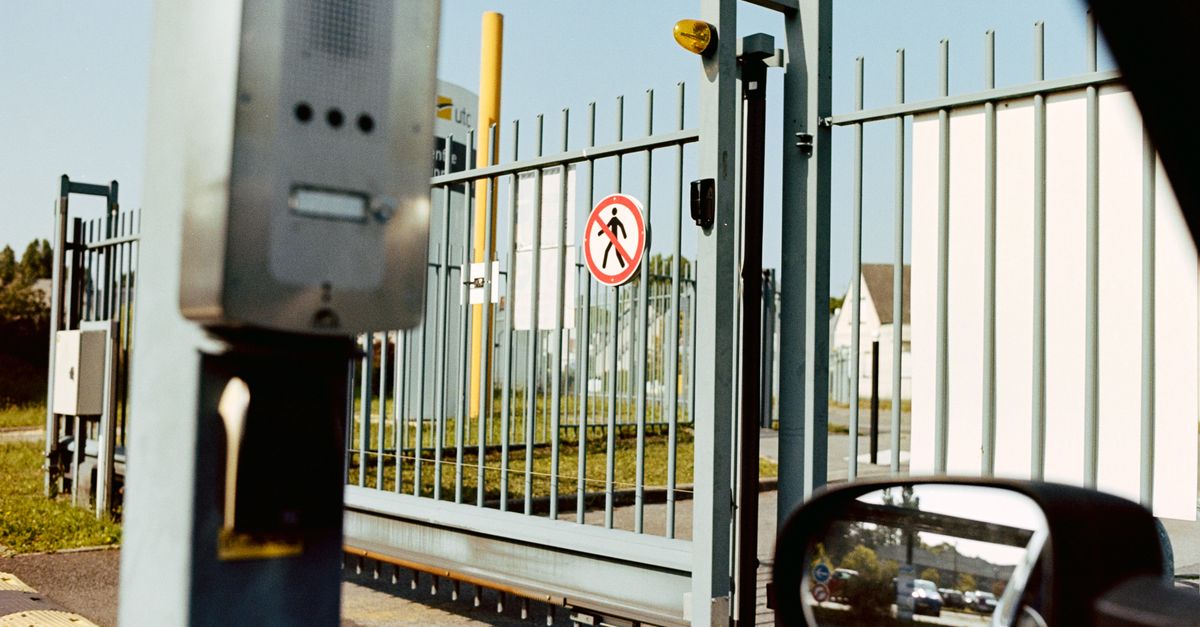
I’ve spent the past decade installing fences for everything from single‑family homes to large commercial sites. When a client asks whether they should go with an access‑controlled fence system or heavy‑duty chain link fencing, I always start by asking: what is your primary goal? Is it security, aesthetics, cost, or a mix of all three? The answer will dictate the type of fence that delivers the most value.
Understanding Your Fence Needs
Before you even look at materials, define the purpose of the fence. Are you protecting livestock, securing a perimeter, or simply delineating property lines for privacy? Each scenario demands different features—height, durability, and access control. The cost will also vary accordingly.
Factors to Evaluate
- Security level required (low, medium, high)
- Desired visibility and aesthetics
- Maintenance expectations
- Local climate and weather conditions
- Budget constraints and long‑term ROI
Once you rank these factors, you can narrow down the fence type that best aligns with your goals.
Step‑by‑Step Decision Matrix
Start by listing each factor on a sheet of paper or spreadsheet. Assign a weight (1–5) based on how critical it is to your project. Then score each fence option for every factor, multiplying weight by score to get a weighted total. The fence with the higher total wins. This objective method removes guesswork and clarifies which features truly matter.
Regulatory Check‑In
Many municipalities impose height limits, setback requirements, or material restrictions. For example, some rural counties require chain link fences to be at least 8 feet tall for livestock, while urban areas may cap fence height at 6 feet for aesthetic reasons. Always consult your local building department before ordering materials.
Access‑Controlled vs Heavy‑Duty Chain Link Fencing: Feature Comparison
Access‑controlled fence systems integrate electronic gates or barriers that allow selective entry. They are ideal for properties where controlled access is critical—schools, warehouses, or gated communities. Heavy‑duty chain link fencing, on the other hand, offers a robust barrier at a lower upfront cost and is widely used for livestock enclosures and industrial sites.
Feature Comparison
- Security: Access‑controlled provides controlled entry; chain link offers physical deterrence.
- Visibility: Chain link is semi‑transparent; access fences can be opaque or transparent.
- Installation time: Chain link typically faster and cheaper.
- Maintenance: Chain link requires occasional cleaning; access systems need power and software upkeep.
- Cost per foot: Access systems range $30–$60; chain link averages $10–$20.
- Customizability: Access fences can include cameras, RFID readers; chain link offers limited customization.
Additional Considerations
Fire safety is another dimension where access‑controlled systems excel. Many modern electronic gates are rated for high temperatures and do not spark or melt under extreme heat, whereas steel chain link can become a fire hazard if struck by flammable materials. Environmental impact also varies; chain link typically uses recycled steel but requires more frequent replacement of galvanized coatings, while access fences often incorporate LED lighting that consumes minimal energy.
Cost Breakdown in Context
The upfront cost of an access‑controlled system is higher because you pay for electronics and software integration. However, if you factor in the value of controlled access—such as preventing theft or unauthorized entry—the return on investment can be significant, especially for high‑value facilities.
Steel Security and Perimeter Fences: Durability & Cost Considerations
Both access‑controlled systems and chain link fences are often built on steel frames. Steel perimeter fences provide the highest durability against tampering, weather, and wildlife. They also offer a professional appearance that can increase property value.
Cost Breakdown for Steel Fences
- Raw steel material: $5–$10 per linear foot
- Fabrication (cutting, welding): $3–$8 per foot
- Anchoring and posts: $2–$4 per foot
- Finishing (paint or powder coating): $1–$3 per foot
- Labor for installation (per foot): $5–$12 depending on complexity
When you add up these components, a steel perimeter fence can cost between $20 and $40 per linear foot. However, the long‑term benefits—low maintenance, corrosion resistance, and high resale value—often justify the investment.
Choosing the Right Finish
If your property is exposed to harsh coastal air, consider a powder coating with a marine grade finish. In industrial zones where chemical exposure is common, a zinc-rich primer can prevent galvanic corrosion. These finishes may add $1–$2 per foot but extend service life by decades.
Post Depth and Anchor Options
For maximum stability, posts should be driven at least 2 feet below the frost line in colder climates or secured with concrete footings that are 12 inches wide. In sandy soils, a steel sleeve anchor can provide additional grip without the need for deep driving.
Affordable Fence Installation Strategies
If budget is your primary concern, there are several ways to keep costs down without compromising safety or quality. One approach is to use a hybrid system: a heavy‑duty chain link core with selective access control points where necessary.
Cost‑Saving Tips
- Select pre‑fabricated posts and panels to reduce labor.
- Opt for galvanized steel over stainless; it’s less expensive yet still rust‑resistant.
- Use a single gate rather than multiple access points.
- Schedule installation during off‑peak seasons when contractors offer discounts.
- Perform routine maintenance yourself—cleaning and tightening bolts can extend lifespan.
- Leverage bulk purchasing of materials to negotiate lower prices.
DIY Inspection Schedule
Set a quarterly inspection routine. Check for loose posts, rust spots, and gate alignment. If you spot corrosion early, applying a fresh coat of primer can stop it from spreading. Minor adjustments like tightening bolts are quick fixes that keep the fence safe.
Energy‑Efficient Gate Options
If your access gate uses electric power, consider solar‑powered controllers. A small 100W panel can cover most gate operations, reducing monthly electricity costs and ensuring reliability during outages.
Common Mistakes to Avoid When Choosing a Fence
A lot of clients fall into the trap of picking a fence type based on aesthetics alone or underestimating long‑term maintenance. Another frequent error is failing to factor in local building codes and zoning restrictions, which can dramatically alter your options.
Pitfalls Checklist
- Choosing a low‑cost material that fails prematurely.
- Ignoring the need for proper grounding in electronic fence systems.
- Overlooking the importance of post depth for stability.
- Neglecting to test access controls before final installation.
- Underestimating power requirements for gated systems.
- Failing to secure permits or approvals from local authorities.
- Not budgeting for periodic inspections and repairs.
Grounding is Critical
Electronic fences rely on a low‑impedance ground. A faulty grounding rod can render the system ineffective, leading to unauthorized access. Use a dedicated 20‑amp circuit and verify continuity with a multimeter before commissioning the gate.
Post Depth Revisited
A shallow post in a windy area can sway and eventually buckle. Standard practice is a minimum of 4 feet for high‑security fences, but local wind loads may require deeper posts or guy wires.
Case Studies From My Projects
In a recent residential project, I installed a hybrid fence: heavy‑duty chain link for most of the perimeter with an access‑controlled gate on the driveway. The client wanted a balance between security and cost. By using galvanized steel posts and pre‑fabricated panels, we reduced labor by 30% and stayed under budget.
For a commercial warehouse, I opted for a full access‑controlled system with integrated RFID readers. The upfront cost was higher—about $55 per foot—but the client appreciated the ability to track employee entry and secure high‑value inventory.
In my experience, blending fence types often yields the best return on investment, especially when budget constraints exist.Community‑Based Security Example
A small farming community in Texas needed a perimeter that could be quickly opened for livestock while preventing trespassing. We installed a steel frame with a 12‑foot chain link section and a single access gate equipped with a keypad lock. The result was a 20% reduction in break‑ins without sacrificing the ability to let animals roam freely.
Urban Gated Apartment Complex
An apartment complex in Chicago required a modern look combined with strict access control. We chose a vertical steel fence with integrated LED lighting and RFID gates at each entrance. The system also logs every entry, providing valuable data for security staff.
As you move forward with your fence decision, keep these practical guidelines in mind. Whether you choose an access‑controlled system or heavy‑duty chain link fencing, understanding your specific needs and anticipating future maintenance will ensure that your investment protects what matters most for years to come.
What challenges have you faced when selecting a fence type for your property?


