
What Are the Best Security Fencing Options for Schools in 2026?
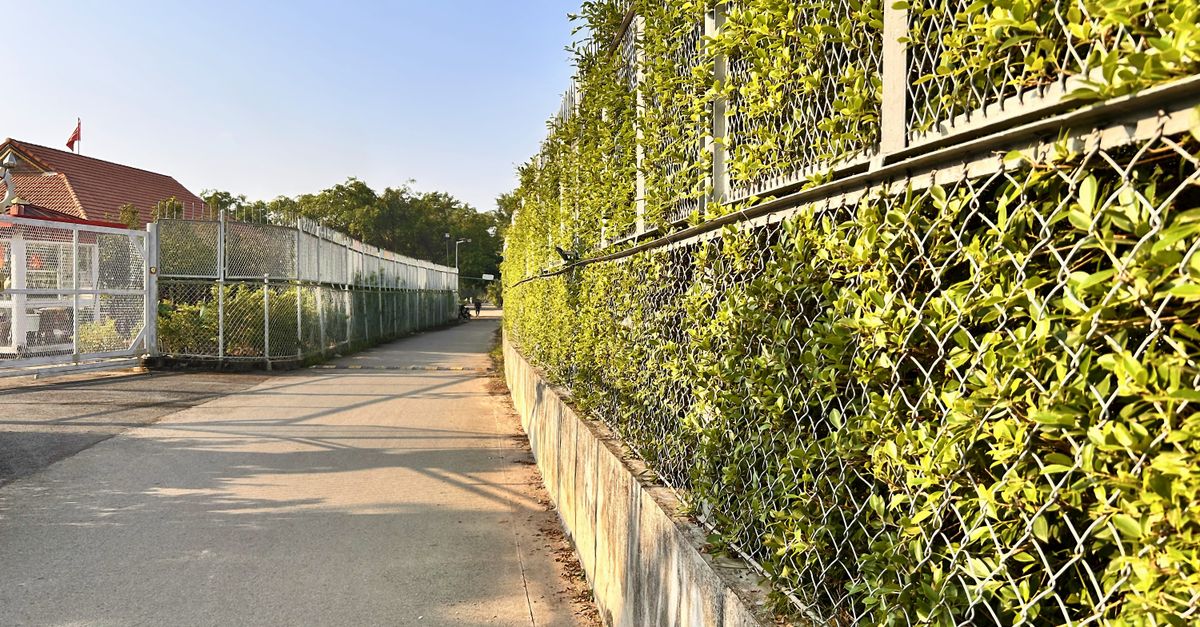
The conversation around school safety has intensified, and security fencing is now a cornerstone of protective infrastructure. In this article I walk through the most effective fencing solutions for schools, compare durable materials, outline installation steps, and share practical cost insights. Whether you’re upgrading an existing perimeter or planning a new build, understanding these elements will help you make informed decisions that safeguard students, staff, and property.
Understanding School Security Needs
Schools face unique security challenges: high foot traffic, diverse age groups, and the need to maintain an open learning environment. A robust fence must deter unauthorized entry while allowing legitimate access for teachers, parents, and emergency services. It also needs to withstand vandalism, weather extremes, and daily wear.
In addition, modern schools often integrate technology such as surveillance cameras and access control systems that rely on a secure perimeter to function effectively. The fence therefore acts not only as a physical barrier but also as the foundation for a broader security ecosystem.
Types of Security Fence Systems
There are three primary categories: chain-link with protective coatings, welded steel mesh, and reinforced concrete panels. Each offers distinct advantages in cost, maintenance, and visual impact.
Chain-Link Fencing
- Pros: Fast installation, low upfront cost, easy to replace damaged sections.
- Cons: Visible gaps can be exploited by determined intruders; requires regular corrosion protection in humid environments.
- Typical Use Case: Temporary perimeters during construction or seasonal events where budget and speed are priorities.
Welded Steel Mesh
- Pros: Higher security rating due to smaller, welded openings; smoother finish reduces climbing risk; lower maintenance after initial coating.
- Cons: Slightly higher material cost and installation labor; requires skilled welders for proper seam integrity.
- Typical Use Case: Permanent school boundaries where long-term resilience and low vandalism rates are essential.
Concrete Panels
- Pros: Extremely durable, virtually maintenance-free once installed; offers an imposing visual deterrent.
- Cons: High upfront cost, heavier installation requiring concrete footings or masonry posts.
- Typical Use Case: Schools in high-crime areas or facilities that demand a non-penetrable barrier for sensitive zones such as labs or athletic complexes.
Key Features to Compare
- Chain-Link: Affordable, quick installation, easy replacement of sections.
- Welded Steel Mesh: Higher security rating, smoother finish, less visible gaps.
- Concrete Panels: Extremely durable, low maintenance, but higher upfront cost.
In my experience, schools that prioritize long-term savings often opt for welded steel mesh because the reduced maintenance offsets initial expenses. However, if a school has limited capital and needs a rapid deployment, a coated chain-link can provide an adequate interim solution while a more permanent system is planned.
Durable Fencing Materials Overview
The core material determines lifespan and security level. Common options include galvanized steel, stainless steel, aluminum alloys, and high-density polyethylene (HDPE) composites.
Material Comparison Table
- Galvanized Steel: Corrosion-resistant, 25+ years service life; often finished with a powder coat for added durability.
- Stainless Steel: Premium cost, virtually impervious to rust; ideal for coastal or highly humid climates where galvanization may still fail over time.
- Aluminum Alloys: Lightweight, moderate durability, susceptible to dents; can be anodized to improve scratch resistance.
- HDPE Composite: Non-conductive, low maintenance, but less secure against heavy impacts; best suited for non-critical perimeter zones or playground safety fencing.
The choice hinges on budget and environmental exposure; for schools in humid or coastal regions, galvanized steel often offers the best balance of cost and longevity. In arid climates, stainless steel’s minimal corrosion risk can justify its higher price tag if a longer warranty period is desired.
Factors to Consider When Choosing a System
When evaluating fencing options, weigh these practical criteria:
- Security Rating: Look for UL 94 V-0 or ASTM F1926 compliance. These standards ensure the fence can withstand forced entry attempts.
- Visibility: High visibility deters intruders but may clash with school aesthetics. Many schools balance this by using decorative posts or integrating greenery along the perimeter.
- Accessibility: Ensure gates comply with ADA standards and have quick-release mechanisms for emergencies. Emergency exits should be clearly marked and unobstructed.
- Maintenance Requirements: Some materials need periodic repainting or rust treatment. Choosing a self-polishing coating can reduce long-term upkeep.
- Installation Time: Rapid deployment can minimize disruption to school schedules, especially during peak academic periods.
- Vendor Reputation and Warranty: A reliable contractor with proven experience in educational environments can prevent costly post-installation defects. Check that the warranty covers both material and workmanship for at least 10 years.
Installation Process and Timeline
A typical installation cycle for a medium-sized high school (1.5 acres) follows these stages:
- Site Survey & Permitting: 3–4 weeks to secure local codes and environmental clearances. This phase also involves mapping underground utilities, identifying slope variations, and ensuring that the planned fence footprint does not interfere with existing infrastructure.
- Design Finalization: 2–3 weeks to lock in fence style, gate locations, and hardware. Detailed drawings are reviewed by school safety coordinators to confirm compliance with institutional policies.
- Material Procurement: 1–2 weeks for delivery of steel or concrete panels. Lead times can vary based on custom paint colors or special coatings requested.
- Construction Phase: 4–6 weeks, including post installation, anchoring, and finishing touches. During this phase, it is essential to coordinate with school administrators to schedule work during off‑peak hours or summer breaks. Safety signage around the construction zone protects students and staff from accidental contact.
- <Inspection & Commissioning: 1 week to verify structural integrity and security features, often involving a third‑party safety inspector. The inspection checklist covers post spacing, gate alignment, lock functionality, and coating thickness.
Overall, expect a 12–15 week window from concept to operational fence. Scheduling during summer breaks can reduce classroom disruptions.
Maintenance & Longevity
A well-chosen fence should require minimal upkeep. Recommended practices include:
- Annual Visual Checks: Inspect for corrosion, damage, or unauthorized modifications. This simple step can catch small breaches before they become major threats.
- Bi-annual Cleaning: Remove debris and apply protective coatings as needed. In humid climates, a yearly re‑application of anti‑rust spray is advisable. Use non-abrasive brushes to avoid scratching the coating.
- Gate Calibration: Test lock mechanisms quarterly to ensure reliability. A misaligned gate can become an unintended entry point.
If you select galvanized steel with a proper coating, maintenance can drop to just bi‑annual inspections over a 25-year lifespan. Adding a small budget for periodic repainting or rust treatment will extend that life even further.
Cost Breakdown and ROI
Below is an illustrative cost estimate for a 1.5-acre school perimeter using welded steel mesh:
- Material Cost: $45 per linear foot = $22,500
- Labor & Installation: $30 per linear foot = $15,000
- Gates & Hardware: $12,000
- Permitting & Inspection Fees: $3,000
- Total Initial Investment: ~$52,500
When factoring reduced security incidents (average of 1–2 minor breaches per year), the return on investment becomes evident within 4–5 years through lowered insurance premiums and avoidance of costly emergency responses. Schools that integrate smart gate technology can further reduce staff workload by automating access logs, which in turn saves administrative time.
Financing Options for School Fencing Projects
Many school districts face budget constraints that make a large upfront outlay challenging. Several financing models can spread costs over several years while keeping the project within fiscal limits:
- Capital Improvement Grants: State or federal grants specifically earmarked for safety upgrades often cover 50–80% of fencing costs if tied to documented risk assessments.
- Lease‑to‑Own Agreements: Contractors may offer a lease arrangement where the district pays monthly installments and automatically owns the fence after a set term, typically 5–7 years.
- Public‑Private Partnerships (PPP): A private firm installs and maintains the fence for an agreed fee, while the school benefits from modern materials without immediate capital expenditure.
- Bond Issuance: Municipal bonds can finance large safety projects with long amortization schedules that align with projected insurance savings.
Choosing a financing strategy that aligns with your district’s fiscal policy and anticipated savings is crucial. A detailed cost–benefit analysis, including projected reductions in insurance premiums and potential state grant eligibility, should guide the final decision.
Case Study: A Local High School Upgrade
A mid-sized high school in Nevada replaced its aging chain-link fence with welded steel mesh. The project took 14 weeks, cost $58,000, and included a smart gate system integrated with campus security software. Within the first year, reported unauthorized entries dropped by 80%, and the school’s insurance premium decreased by 12%.
During installation, the contractor coordinated closely with the school’s IT department to ensure seamless integration of access control credentials. The result was a fully automated entry system that logged all visitors without requiring additional staff oversight.
In my experience working on that installation, coordinating the gate integration saved us an extra two weeks of downtime for teachers.Smart Gate Integration Tips
When adding electronic access control to a new fence, consider these practical steps:
- Select Compatible Hardware: Choose gates with built-in magnetic locks or electric strikes that support the school’s existing security platform.
- Plan for Redundancy: Include manual release mechanisms in case of power outages to maintain emergency egress.
- Integrate Visitor Management: Use QR code scanning or RFID badges linked to a central database, allowing real-time tracking of who enters and exits.
- Schedule Training Sessions: Ensure custodial staff know how to reset locks and troubleshoot basic issues before the system goes live.
These measures not only improve security but also reduce administrative burden by automating attendance and visitor logs.
Common Mistakes and How to Avoid Them
1. Underestimating Weather Impact: Failing to select corrosion-resistant materials in humid climates leads to premature failures.
2. Ignoring ADA Compliance: Gates that don’t meet accessibility standards can cause legal challenges.
3. Overlooking Security Rating: Choosing a fence with insufficient security for the campus risk profile invites breaches.
4. Poor Site Survey: Neglecting underground utilities or slope variations leads to costly rework.
5. Skipping Professional Inspection: Relying solely on contractor guarantees can miss hidden defects.
A meticulous planning phase and adherence to industry standards mitigate these pitfalls. Schools should also consider a post‑installation review after the first six months to confirm that all components perform as expected.
Conclusion
Choosing the right security fencing for schools requires a balanced assessment of material durability, installation logistics, maintenance demands, and cost effectiveness. Welded steel mesh with galvanized coating typically offers the best blend of long-term resilience and security compliance. By integrating smart gate technology and adhering to ADA standards, schools can protect their communities while maintaining operational continuity.
What fencing challenges have you encountered in your school’s security plan, and how did you address them?


