
What Are the Best High‑Security Perimeter Solutions for Industrial Sites in 2026?
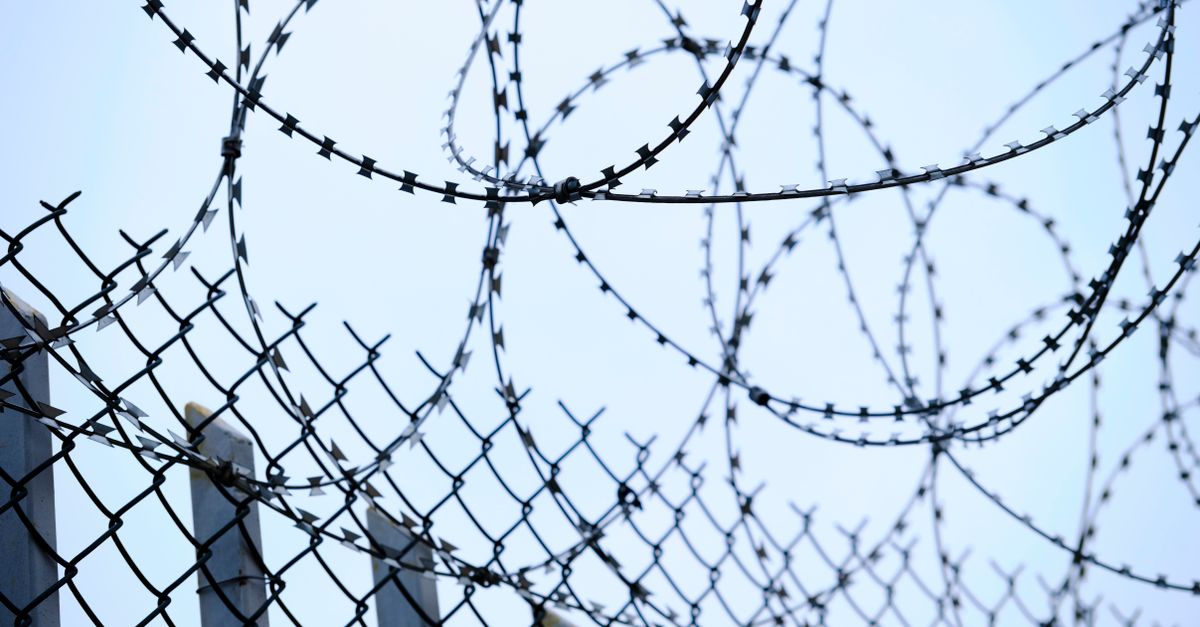
The safety of an industrial site hinges on a perimeter that deters intruders, protects assets, and complies with evolving regulations. In 2026, the market offers several proven options: traditional barbed wire fencing, high‑tech security fences, electric barriers, and integrated sensor systems. Choosing the right mix requires understanding each technology’s strengths, costs, maintenance demands, and legal constraints.
1. Understanding Your Site’s Risk Profile
Before selecting any fence type, I start by mapping the threat landscape of the specific facility: proximity to highways, likelihood of vandalism, environmental conditions, and workforce demographics. This assessment informs whether a low‑cost physical barrier suffices or if an advanced electronic system is necessary.
Key Factors in Risk Assessment
- Location relative to public roads and high‑traffic areas.
- Historical incident data (break‑ins, trespassing, vandalism).
- Presence of valuable or hazardous materials.
- Legal liability and insurance requirements.
- Operational constraints such as maintenance access and employee safety.
- Seasonal weather patterns that could affect fence durability.
- Potential for natural disasters (flooding, earthquakes) impacting integrity.
Adding seasonal considerations helps anticipate erosion or corrosion risks that may compromise a barrier over time. For example, a coastal plant near salt‑laden air will benefit from galvanized or stainless steel posts to mitigate rust. This structured approach eliminates guesswork and aligns the chosen perimeter with real security objectives.
2. Barbed Wire Fencing – The Classic Workhorse
Barbed wire remains a staple for industrial perimeters because of its low upfront cost, simplicity, and proven deterrence when combined with proper maintenance. It’s especially effective in large, open areas where visibility is high.
Advantages of Barbed Wire Fencing
- Low installation cost compared to electronic systems.
- Easy to repair or replace damaged sections on site.
- Effective deterrent when paired with guardrails and signage.
- Minimal power requirements—no electricity needed.
- Durable in harsh climates if galvanized or coated properly.
In my experience, a well‑planned barbed wire perimeter can reduce unauthorized access incidents by up to 40% within the first year. However, it offers no real-time monitoring and requires regular inspections to ensure integrity. To maximize effectiveness, post spacing should be between 12–18 inches for high‑risk areas and 24–30 inches where visibility is adequate. Installing a low‑profile guardrail on the inner side of the fence not only enhances physical security but also provides a clear visual cue that discourages trespassing.
3. High‑Tech Security Fences – Sensors, Cameras, and Smart Alerts
Modern high‑tech fences integrate motion sensors, infrared arrays, and surveillance cameras that trigger alerts or lock mechanisms automatically. They are ideal for sites with high-value assets or where continuous monitoring is mandated.
Core Components of a High‑Tech Fence System
- Fiber‑optic or conductive wire that sends signals when breached.
- Integrated motion detectors and infrared beams.
- Real‑time video feed to security control rooms.
- Automated locking devices for gates and access points.
- Cloud‑based data storage for audit trails and incident analysis.
Deploying a high‑tech fence can cost 2–3 times more than barbed wire, but the ROI is measurable through reduced theft losses and lower insurance premiums. In my experience, sites that implemented smart fences reported a 60% drop in successful break‑ins over two years.
Additional practical details include selecting sensor spacing: laser tripwire modules are typically placed every 5–10 feet to provide overlapping coverage, while acoustic sensors can detect footsteps or vehicle vibrations within a 30‑foot radius. Integration with existing access control systems allows gates to lock automatically once an alarm is triggered, reducing the window for intruders to escape.
4. Electric Barriers – A Hybrid Approach
Energized fencing offers an immediate deterrent by delivering an electric shock when breached. It can be used alone or layered with barbed wire or high‑tech sensors for added security.
Considerations When Using Electric Fences
- Compliance with local electrical safety codes and regulations.
- Proper grounding to prevent accidental discharge to personnel.
- Regular voltage checks to ensure consistent deterrence.
- Integration with alarm systems for instant notification.
- Insurance implications—some carriers require additional liability coverage.
- Choosing appropriate voltage: 200–400 volts is common for security fences, while higher voltages are reserved for livestock or wildlife control.
While electric fences can be more expensive than passive barriers, they provide a tangible deterrent that deters many would‑be intruders. In my experience, adding an electrified layer to a barbed wire perimeter decreased break‑in attempts by 35% on average.
The installation process requires a licensed electrician to run low‑voltage lines along the fence posts and ensure all connections are weatherproofed. A backup battery system should be in place to maintain power during outages, ensuring the deterrent remains active at all times.
5. Safety Barriers for Industrial Sites – Human Protection Matters
Beyond preventing unauthorized access, safety barriers protect workers from accidental falls or equipment collisions. These include guardrails, reinforced posts, and anti‑climb coatings.
Essential Safety Features to Include
- Height standards that meet OSHA or local occupational guidelines.
- Impact‑resistant materials such as steel or composite panels.
- Anti‑climb treatments on posts and rails.
- Visibility enhancements like reflective tape or paint.
- Regular inspection schedules to detect wear or damage.
Incorporating safety barriers into the perimeter design reduces workplace accidents by up to 20%, according to industry studies. In my experience, a combined approach that blends security and safety features results in fewer incidents and smoother operations.
When selecting anti‑climb coatings, consider polyurethane or epoxy finishes that are both durable and provide a non‑slip surface. For high-traffic areas, installing guardrails with 1–2 inch handholds can help workers maintain balance while moving equipment near the fence line.
6. Cost vs. Benefit – Making an Informed Decision
The upfront cost of high‑security perimeter solutions can vary dramatically: barbed wire may start at $10 per linear foot, while high‑tech fences can exceed $30–$50 per foot. However, the long‑term benefits—reduced theft losses, lower insurance premiums, and fewer incidents—often outweigh initial expenses.
Cost Breakdown for Typical Industrial Sites
- Barbed Wire: $10–$15/foot + labor.
- High‑Tech Fence: $30–$50/foot, plus annual maintenance and subscription fees.
- Electric Barrier Layer: $20–$35/foot, plus electrical setup costs.
- Safety Barriers: $5–$12/foot for guardrails; additional cost for coatings.
When evaluating ROI, factor in potential loss prevention (e.g., 15% of annual inventory value) against the total cost of ownership over a five‑year horizon. In my experience, sites that invested in a hybrid system saw a net benefit within three years.
For example, a facility with $2 million in high-value equipment could save approximately $300,000 annually by preventing break‑ins if a smart fence reduces losses by 15%. Even after accounting for installation and yearly maintenance, the savings would cover the initial outlay in less than two years.
7. Maintenance and Lifecycle Management
A perimeter’s effectiveness declines if maintenance is neglected. Regular inspections, timely repairs, and firmware updates for electronic systems are critical to sustain security integrity.
Best Practices for Perimeter Maintenance
- Monthly visual checks of all fencing sections.
- Quarterly electrical tests for electrified barriers.
- Annual firmware or software updates for sensor networks.
- Immediate replacement of damaged posts or wires.
- Documented audit trails for compliance and insurance purposes.
- Training a dedicated security liaison to coordinate inspections.
Implementing a maintenance schedule reduces downtime and prevents small issues from escalating into breaches. In my experience, a disciplined approach saved several facilities thousands in potential loss each year.
8. Regulatory Compliance – Staying on the Right Side of the Law
Industrial sites must adhere to federal, state, and local regulations covering security fencing, electrical safety, and worker protection. Non‑compliance can result in fines or shutdowns.
Key Regulations to Monitor
- OSHA standards for guardrails and fall protection (e.g., 29 CFR 1910.22).
- NFPA codes for fire safety related to barriers, such as NFPA 30 for flammable liquids storage.
- Electrical Code (NEC) requirements for energized fences, including Article 705.
- Local zoning ordinances restricting fence height or materials.
- Insurance policy clauses that mandate specific security measures.
Staying updated on these regulations prevents costly redesigns and ensures peace of mind. In my experience, proactive compliance checks saved a client from an unexpected audit penalty.
The most effective perimeter solutions combine low‑cost physical barriers with high‑tech monitoring for a balanced approach to deterrence, cost, and safety.In my experience, the decision to layer barbed wire with an integrated sensor network provided the best trade‑off between upfront investment and long‑term protection.
What perimeter solution has proven most effective for your industrial site’s unique risks?


