
What Are the Benefits of Automated Gate Systems for Secure Property Fencing?
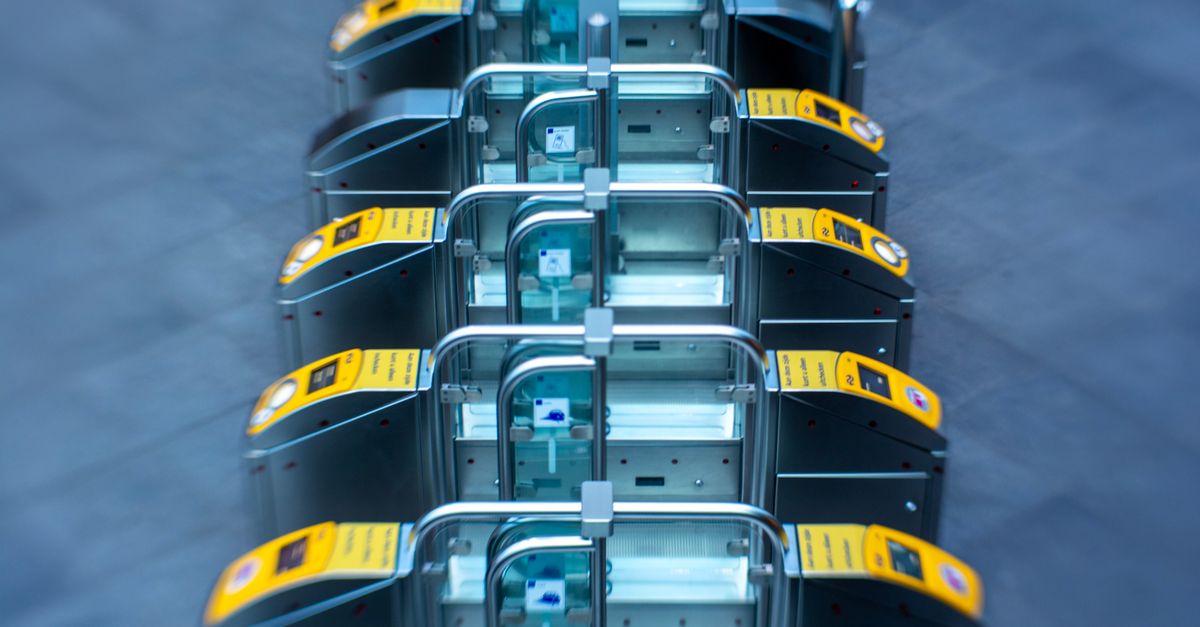
When I first looked at my property in 2026, I realized that a secure fence alone wasn’t enough. The real protection comes from combining the right fence material with an automated gate system. In this article I’ll walk through how these components work together, what to look for when choosing them, and how to keep them running smoothly over time.
Choosing the Right Fence Type: Vinyl Privacy vs Industrial‑Grade
The first decision is whether you need a vinyl privacy fence or an industrial‑grade fence. Each serves different needs and budgets.
Key Differences
- Material: Vinyl fences are made of PVC, offering low maintenance and a clean look. Industrial fences use steel or heavy‑duty aluminum for maximum security and durability.
- Installation Height: Privacy fences typically range from 5 to 6 feet; industrial fences can exceed 8 feet to deter climbing.
- Cost per Foot: Vinyl averages $15–$25/ft, while industrial‑grade can cost $30–$45/ft including posts and hardware.
- Maintenance: Vinyl needs occasional cleaning; steel fences may require rust protection.
- Security Level: Industrial fences are designed to withstand forced entry; vinyl is more for deterrence than defense.
If your primary goal is a family‑friendly appearance with moderate security, a vinyl privacy fence works well. For commercial properties or high‑risk areas, an industrial‑grade fence offers the robustness you need. Additionally, consider local climate: in coastal regions, galvanized steel resists salt‑air corrosion better than untreated aluminum, while vinyl remains unaffected by humidity and temperature swings. In colder climates with heavy snowfall, a taller fence can prevent snow drift from building up against the posts, reducing structural stress.
Understanding Automated Gate Systems: Types and Features
Automated gate systems can be simple or complex. Choosing the right one depends on your access needs, budget, and how much integration with smart home devices you want.
Common Automation Options
- Keypad Entry: Simple numeric codes for family members.
- RFID Card or Key Fob: Quick tap access; useful for frequent visitors.
- Smartphone App Control: Remote locking/unlocking and status notifications.
- Biometric Scanners: Fingerprint or retinal recognition for high security.
- Auto‑Close Sensors: Ensures the gate closes automatically after a set time.
In my experience, pairing an RFID system with a smartphone app gives the best balance of convenience and control. The app allows me to monitor who’s coming through the gate from anywhere, which is essential when I’m on the road or in the RV. Many modern systems also support voice assistants like Alexa or Google Assistant, letting you say “Open gate” without touching any hardware.
Setting up an integrated system typically involves three steps: first, configure the keypad or RFID reader and program authorized codes; second, link the device to your smartphone app via a secure Wi‑Fi network; third, test the auto‑close function to ensure it triggers reliably after each pass. If you have a home automation hub, you can create routines that trigger the gate when motion is detected at the front door or when a specific calendar event starts.
Integrating Gates with Existing Fences: Installation Considerations
Installing an automated gate requires careful planning around your chosen fence type. Here are the main points to consider:
Installation Checklist
- Gate Height and Width: Ensure the gate matches the fence height; a mismatch can create gaps.
- Post Placement: Reinforced posts (steel or concrete) are essential for industrial fences, while vinyl fences often use treated wood or metal posts.
- Power Supply: Decide between wired (dedicated circuit) and battery‑powered systems. Wired offers reliability; batteries provide flexibility in remote locations.
- Cable Routing: Conceal cables with conduit to protect them from weather and animals.
- Compliance: Check local zoning codes for minimum fence height, gate clearance, and electrical requirements.
I once installed a battery‑powered automated gate on a vinyl privacy fence. The lack of a permanent power source made it easier to relocate the gate when we moved our RV, but I had to replace batteries every six months during winter. For a more permanent setup, I’d recommend wired automation with an inverter backup.
When selecting motor placement, keep in mind that heavier gates (especially industrial ones) require higher torque motors and may need a dedicated sub‑panel to avoid tripping breakers. Also, wind load calculations are crucial for large or tall fences; installing a wind brace on the side posts can prevent sagging over time.
For cable routing, start by marking the path along the fence line, then drill pilot holes through the posts and into the ground. Run the conduit along this path, ensuring it stays at least 12 inches from any underground utilities to avoid damage. Once the conduit is in place, feed the power and control cables through, securing them with cable ties every 10 feet to prevent movement.
Maintenance and Repair: Keeping Your Fence in Top Shape
Whether you have vinyl or industrial fencing, regular maintenance extends life and saves money. Here’s how to tackle common issues:
Routine Tasks
- Inspection: Check for loose posts, broken rails, or warped panels every six months.
- Cleaning: Use mild soap and water for vinyl; apply rust remover on steel fences annually.
- Lubrication: Apply silicone spray to hinges and moving parts of the gate twice a year.
- Gate Alignment: Adjust tracks if the gate starts to swing off its path.
- Sensor Calibration: Verify auto‑close sensors function correctly after any heavy rain or snow.
Seasonal care also matters: in winter, apply a light coat of oil on steel components to deter rust from freeze‑thaw cycles. In spring, inspect for damage caused by thawing soil or migrating roots that could undermine posts. If you notice any signs of pest activity—such as termites around wooden posts—address them promptly with a professional treatment.
For vinyl fences in humid environments, consider applying a UV-resistant sealant every two years to preserve color and prevent cracking. In industrial settings, schedule an annual inspection by a licensed electrician to verify that all electrical connections remain grounded and free of corrosion.
Cost Analysis: Upfront, Operating, and Long‑Term
Understanding the full cost picture helps you choose a system that fits your budget without compromising security.
Typical Expenses
- Fence Material: Vinyl $15–$25/ft; Industrial steel $30–$45/ft.
- Gate Automation: Basic keypad $300–$500; RFID + app $800–$1,200.
- Installation Labor: 8–12 hours for a standard gate; plus electrical work if wired.
- Maintenance: Annual cleaning and lubrication $150–$250.
- Replacement Parts: Hinges, sensors, batteries $200–$400/year.
I’ve budgeted for a 12‑foot gate on a vinyl fence at about $3,800 total, including a battery‑powered RFID system and professional installation. For an industrial fence with wired automation, the cost rises to roughly $6,500 but offers higher security and lower annual maintenance.
When evaluating long‑term costs, consider potential insurance premium reductions for reinforced fencing and automated access control. Some insurers offer discounts if you install tamper‑evident sensors or a certified alarm system linked to the gate. Additionally, solar panels on the fence posts can offset electricity usage for battery recharging, further reducing operating expenses.
Common Mistakes to Avoid When Installing or Maintaining Fencing
Even seasoned installers fall into these pitfalls:
Do’s and Don’ts
- Don’t Skip a Professional Inspection: A licensed electrician can ensure proper grounding for wired gates.
- Do Use Weather‑Rated Hardware: Stainless steel hinges resist rust; plastic bolts withstand UV exposure.
- Don’t Overlook Gate Clearance: Ensure 2–3 feet of clearance on both sides to avoid collisions with vehicles or equipment.
- Do Plan for Future Expansion: Install extra posts where you might add another gate later.
- Don’t Neglect Security Software Updates: Keep the firmware of your automation system up to date.
A common oversight is installing a motor without checking its power rating against the gate’s weight. Over‑driving a motor can lead to premature failure or inconsistent operation, especially in damp climates where voltage drops may occur. Before purchasing, calculate the torque required using the gate’s mass and swing radius, then choose a motor that provides at least 20% more torque than the minimum calculation.
Final Thoughts
A secure property fencing solution is more than just a barrier; it’s an integrated system that balances aesthetics, durability, and technology. By selecting the right fence material—vinyl for low‑maintenance privacy or industrial‑grade for maximum security—and pairing it with an automated gate system tailored to your access needs, you create a robust perimeter that protects family and assets.
Maintaining both components through regular inspections, cleaning, and timely repairs ensures longevity and keeps operating costs predictable. And while the upfront investment can be significant, the long‑term savings from avoided vandalism or break‑ins usually outweigh the initial expense. Future trends such as solar‑powered gates, predictive maintenance analytics, and seamless integration with building automation platforms will only make these systems more reliable and cost‑effective over time.
As you plan your fencing project, keep in mind that a well‑designed automated gate not only deters intruders but also enhances convenience for daily operations. Whether you’re protecting a family home or a commercial facility, the right combination of fence material and automation can give you peace of mind that lasts for decades.
What has been your biggest challenge when choosing an automated gate system for your property?


