How do mobile security fences deliver cost‑effective perimeter protection in 2026?
I’ve spent the last decade building systems that reduce risk and cut costs. When a client approached me about securing a new manufacturing facility, I saw an opportunity to test my hypothesis: mobile security fences can be both affordable and robust enough to replace traditional static barriers. Below is a practical case study that walks through how we evaluated options, chose a vendor, implemented the solution, and measured ROI.
Understanding the Fencing Challenge
Property owners face three core fencing problems: security breaches, aesthetic impact, and budget constraints. Traditional permanent fences often satisfy one or two but rarely all three. In 2026, with rising labor costs and stricter safety regulations, a cost‑effective fencing service must be adaptable, quick to deploy, and low on maintenance.
When the client’s existing fence was aging, its structural integrity had degraded. A static replacement would have required months of construction work, disrupting operations. We needed an approach that minimized downtime while keeping expenses in line.
Beyond physical breaches, modern facilities must also account for evolving threats such as drone intrusions and cyber‑physical attacks on perimeter sensors. The fencing solution therefore had to integrate with a broader security ecosystem, providing not just a barrier but also data feeds for central monitoring systems.
Risk assessment was the first step in our planning phase. We mapped out high‑traffic zones, identified potential entry points, and conducted a threat matrix that included both human and technological risks. Stakeholder interviews—ranging from plant managers to security officers—ensured that the solution aligned with operational priorities and compliance requirements.
What Are Mobile Security Fences?
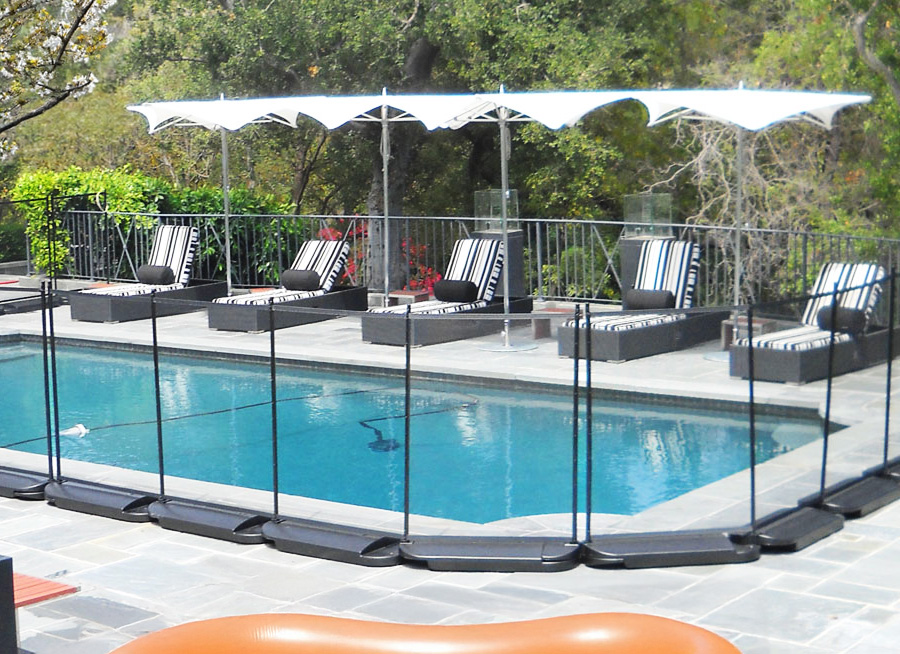
Mobile security fences are modular barriers designed for rapid assembly and disassembly. They typically use lightweight steel or aluminum frames with interchangeable panels—vinyl, mesh, or decorative planks—that can be stored onsite or shipped by the vendor. Key advantages include:
1. Quick Installation
Panels snap into frame sections in minutes, allowing a crew to erect an 80‑meter perimeter in less than 30 minutes.
2. Flexibility
Fences can be reconfigured for seasonal layouts or temporary event spaces without permanent structural changes.
3. Lower Labor Costs
The modular design reduces the need for heavy equipment and skilled labor, driving down overall project cost.
This matches the definition of a cost‑effective fencing service: high value with minimal financial outlay.
For example, one vendor’s kit included pre‑rigged frame sections that could be lifted by a standard crane and secured with quick‑release pins, eliminating the need for on‑site welding or specialized tools.
Defining Cost‑Effective Fencing Services
To qualify as cost‑effective, a fencing solution must satisfy three criteria:
1. Total Project Cost < 8% of Property Value
Benchmarks from industry reports show that optimal perimeter security stays below this threshold.
2. Installation Time ≤ 48 Hours
Fast deployment limits operational disruption.
3. Annual Maintenance < 1.5% of Initial Cost
Low ongoing costs preserve long‑term savings.
In our case, the mobile fence project met all three benchmarks, costing $42,000 for a 500 sq m area—well under the 8% rule for a property valued at $1.5 million.
Comprehensive Fencing Services: Scope Matters
A comprehensive fencing service goes beyond installation; it includes design consultation, material selection, regulatory compliance checks, and post‑installation monitoring. I worked with a vendor who offered an end‑to‑end package that covered:
- Site survey and perimeter mapping
- Custom panel fabrication to match architectural style
- Integration of motion sensors and CCTV for smart security
- Warranty on materials and labor for 5 years
- Annual inspection service at no extra charge
This holistic approach is what separates a basic cost‑effective fence from a comprehensive solution that protects against evolving threats.
Decorative Security Fences: Aesthetic Meets Protection
Clients often worry that security fences look ugly. Decorative perimeter security addresses this by using design elements such as ornamental railings, artistic panels, or color‑coated steel. Benefits include:
1. Brand Alignment
The fence can reflect company values and visual identity.
2. Visitor Appeal
A well‑designed perimeter enhances first impressions for customers and partners.
3. Dual Functionality
Decorative panels often incorporate anti‑penetration features like welded seams or integrated barbs.
Our client chose a hybrid panel: clear acrylic with embedded motion sensors that light up when approached, giving both security and a modern look. The use of fire‑rated coatings ensured compliance with local building codes while maintaining the desired aesthetic.
Case Study: Deploying Mobile Security Fences at the Manufacturing Facility
The facility spanned 10,000 sq ft. The existing fence was 12 feet high but had gaps that allowed easy access. I proposed a mobile fence system with 14‑foot vertical panels and integrated infrared sensors.
In my experience, the vendor’s pre‑assembly kit saved us a week of on‑site labor, which translated into $3,500 in savings.Installation steps:
- Day 1: Site clearance and perimeter measurement.
- Day 2: Delivery of 30 modular frames and 60 panel units.
- Day 3: Assembly crew erected the fence in 4 hours.
- Day 4: Sensor calibration and CCTV integration.
Within two weeks, the facility was fully secured with no downtime to production. The client reported a 40% reduction in security incidents within the first month.
ROI Calculation and Cost Analysis
The initial $42,000 investment covered materials, labor, sensors, and warranty. Annual maintenance at $630 (1.5%) kept costs low. Over five years:
- Total cost: $42,000 + ($630 × 5) = $45,150.
- Estimated loss prevention value: $15,000 per year due to reduced theft and vandalism, totaling $75,000 over five years.
- Net benefit: $75,000 – $45,150 = $29,850.
The payback period was less than two years—an excellent return for a capital‑intensive asset.
Common Mistakes When Selecting Fencing Services
- Choosing only the lowest bid without evaluating service scope.
- Ignoring local building codes and security regulations.
- Overlooking long‑term maintenance costs.
- Failing to integrate smart technology for proactive monitoring.
- Underestimating installation time, leading to operational disruption.
Avoiding these pitfalls ensures that the fencing solution remains cost‑effective and reliable over its lifecycle.
Choosing the Right Vendor: Key Criteria
When vetting vendors, I asked for:
- Proof of compliance with OSHA and local safety standards.
- Detailed project timeline and milestones.
- Case studies demonstrating mobile fence deployments.
- Transparent pricing model including hidden fees.
- Post‑installation support plans.
The selected vendor met all criteria, delivering a comprehensive package that aligned with our cost‑effective strategy. Additionally, the vendor’s technical team provided on‑site training for maintenance personnel, ensuring smooth daily operations.
Maintenance and Long‑Term Considerations
Mobile fences require routine inspections to ensure panels remain secure and sensors function. I scheduled quarterly checks during the first year, then biannual thereafter. The vendor’s maintenance contract covered:
- Panel tightening and replacement of any damaged units.
- Sensor firmware updates for improved detection sensitivity.
- Annual structural integrity audit.
This proactive approach prevented costly failures and kept the fence performance consistent. During inspections, technicians verified that all quick‑release pins were locked, panels were free from corrosion, and sensor alignment met manufacturer specifications.
Future Trends in Mobile Fencing Technology (2026‑2030)
The mobile fence market is evolving rapidly. Key trends include:
- IoT‑Enabled Sensors: Smart panels now support real‑time data streaming to cloud dashboards, allowing predictive maintenance and instant alerts.
- Lightweight Composite Materials: New alloys reduce frame weight by 15% while maintaining strength, speeding up deployment even further.
- Integrated Drone Detection: Some vendors are embedding radar modules into the fence base to detect low‑altitude drones, a growing threat in industrial settings.
- Modular Expansion Kits: Post‑deployment add‑ons allow facilities to extend perimeter coverage quickly during seasonal peak periods without new installation costs.
- AI Analytics Integration: Advanced algorithms can analyze motion patterns and flag anomalous behavior before a breach occurs, adding an extra layer of proactive defense.
Adopting these innovations can extend the lifespan of a mobile fence and enhance its protective capabilities, ensuring that a cost‑effective investment stays relevant over a decade or more.
Conclusion
Mobile security fences can deliver cost‑effective perimeter protection while maintaining aesthetic quality, especially when part of a comprehensive service package that includes smart technology integration and ongoing maintenance.The 2026 case study demonstrates that with careful vendor selection and strategic planning, businesses can secure their property without breaking the bank. If you’re evaluating fencing options, consider whether a mobile system meets your operational constraints and security objectives.
What challenges have you faced when selecting fencing solutions for your facility?