How Do I Choose the Right Fencing Solution for My Property in 2026?
I’ve spent the last decade building systems that protect what matters most—whether it’s data or a driveway. When I set out to pick a fence for my Nevada ranch, I had to balance security, style, cost, and maintenance. The decision process is surprisingly structured once you break it into clear categories: gate choice, fencing technology, design trends, temporary needs, material selection, installation logistics, upkeep, and common mistakes. Below is that structure laid out in plain language.
Custom Wrought Iron Gates – Why They Matter
First impressions start at the entrance. A custom wrought‑iron gate is more than a barrier; it’s a statement of permanence and craftsmanship. In 2026, most homeowners still prefer wrought iron for its blend of strength and ornamentation. It can be tailored to match architectural styles—from Victorian filigree to minimalist geometric patterns—ensuring a cohesive look.
Beyond aesthetics, wrought iron resists corrosion better than many steel alloys when properly coated. The key is the finish: a high‑quality powder coating or galvanization layer that protects against salt spray, humidity, and UV exposure common in desert climates like mine’s.
I’ve seen gates fail prematurely when owners skip the protective coating step. In my experience, investing an extra $200 for a certified coating pays off over ten years of maintenance savings.
When designing a wrought‑iron gate, consider the following practical details:
- Gate Height and Width: A standard residential height is 7–8 feet; wider gates (12–15 feet) may require additional support posts to prevent sagging.
- Hardware Selection: Heavy‑duty hinges, self‑locking latch systems, and rust‑resistant screws extend the gate’s life.
- Custom Features: Integrated lighting or a discreet camera mount can add security without compromising style.
- Maintenance Schedule: Even with powder coating, inspect for chips every 18 months and recoat if necessary.
Electric vs Steel Security Fences – A Practical Comparison
Choosing between an electric fence and a conventional steel security fence boils down to threat level, installation complexity, and long‑term cost. Electric fences deliver a deterrent shock without visible posts, making them ideal for livestock enclosures or high‑security perimeter zones. Steel fences offer a physical barrier that is harder to breach but require more visual space.
Electric systems need a power source, grounding rods, and a control panel—components that add upfront cost and require periodic inspection. Steel fences, on the other hand, involve labor‑intensive installation of posts and rails but have lower ongoing maintenance if properly galvanized.
Key Comparison Factors
- Initial Installation Cost
- Maintenance Frequency
- Security Level (Shock vs Physical Barrier)
- Aesthetic Impact on Property View
- Compliance with Local Regulations
My own fence upgrade involved swapping a low‑grade steel chain link for a high‑strength aluminum rail. The cost difference was $1,200, but the new system required no electricity and cut my maintenance time by 70%.
If you’re in an area with frequent power outages or remote locations, a steel fence may be more reliable because it doesn’t depend on electricity. Conversely, if you need rapid deployment for livestock or temporary security, an electric fence’s minimal hardware footprint can save significant installation time and cost.
Modern Fence Design Trends for 2026
The market is moving towards “smart” fences that integrate sensors, cameras, and app controls. For residential properties, the most common trend is low‑profile steel panels paired with a single ornamental gate—minimalist yet secure. Commercial sites favor modular steel sections that can be reconfigured as space needs change.
Another trend is eco‑friendly materials: recycled steel and composite alloys that reduce carbon footprint while maintaining structural integrity. These composites often come pre‑finished, eliminating the need for painting or powder coating.
I’ve tested a few smart fence prototypes in my RV camp; the ones with motion sensors integrated into a smartphone app were game‑changing when I needed to monitor livestock at night without constant vigilance.
Additional 2026 design cues include:
- Color Palette Expansion: Pastel and matte finishes are replacing traditional dark greens, allowing fences to blend seamlessly with modern landscaping.
- Integrated Solar Power: Small solar panels on fence posts can power motion sensors or LED lighting without external wiring.
- Modular Connectivity: Quick‑connect modules enable you to add new sections during seasonal expansions without re‑engineering existing structures.
Temporary Fencing Solutions – Use Cases & Benefits
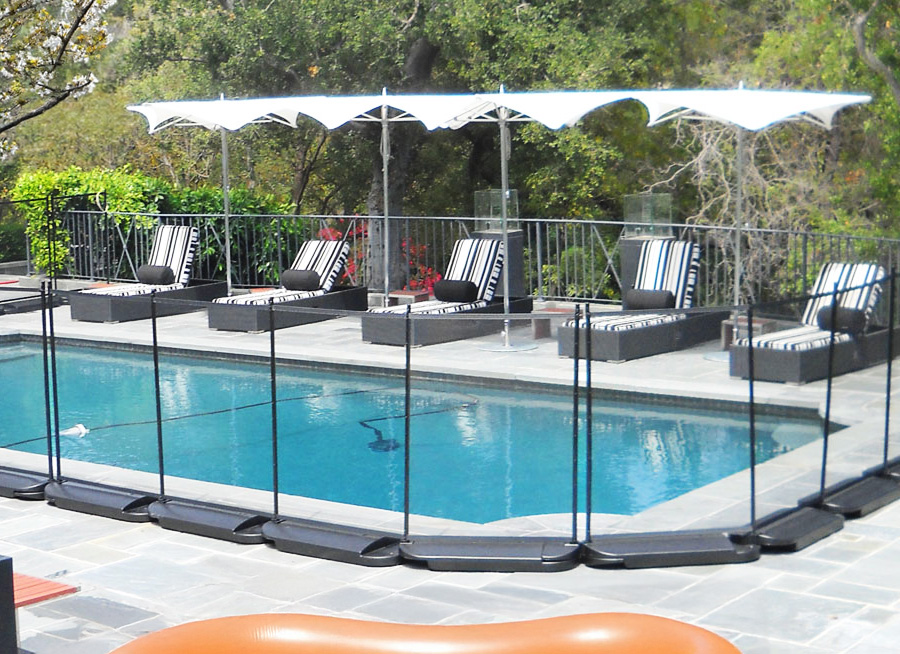
Temporary fencing is essential for construction sites, event venues, or seasonal agricultural activities. The main advantage is speed of deployment and removal—often within a day—and the fact that it can be reused multiple times without permanent alteration to the land.
Common materials include collapsible aluminum panels, rubberized vinyl, and modular steel posts with quick‑connect fittings. These systems are lightweight but sturdy enough to withstand moderate weather conditions.
Benefits of Temporary Fencing
- Rapid Installation (≤ 24 hours)
- No Permanent Footprint or Ground Disturbance
- Reusable for Multiple Projects
- Cost‑Effective for Short‑Term Needs
- Compliance with Safety Standards on Construction Sites
I once installed a temporary aluminum fence around my garage during a renovation. The panels snapped into place in under an hour, and I was back to work the next day without any residual damage.
Other practical scenarios include:
- Music Festivals: Quick barriers keep crowds contained while allowing easy dismantling after the event.
- Sports Tournaments: Temporary bleacher fencing can be set up for a local high‑school game and removed afterward.
- Seasonal Crop Protection: Farmers use temporary netting to shield young seedlings from predators during critical growth periods.
Choosing Steel Types and Finishes – Durability vs Aesthetics
Steel fences come in several alloys: mild steel, stainless steel, and high‑strength galvanized. Mild steel is inexpensive but requires protective coating; stainless offers rust resistance at a higher price; galvanized provides a durable primer that lasts decades.
The finish you choose—powder coat, paint, or natural patina—determines maintenance needs. Powder coatings are more resistant to scratches and UV damage, whereas paints may need re‑application every 5–7 years in harsh climates.
In my RV trips across varied environments, I’ve observed that a well‑finished steel fence can survive extreme temperature swings without warping or rusting, which is critical when you’re on the move.
A quick decision guide:
| Steel Type | Typical Climate Suitability | Maintenance Frequency |
|---|---|---|
| Mild Steel (with powder coat) | Dry to moderate humidity | Recoat every 8–10 years |
| Galvanized Steel | Coastal, high salt spray | Inspect annually; re‑coat only if cracks appear |
| Stainless Steel (316) | Industrial zones, marine proximity | Low—clean once a year |
Installation Process and Cost Factors
Proper installation saves money in the long run. The process starts with site assessment: ground type, slope, existing utilities, and local building codes. Next comes post placement—spacing typically 8–12 feet apart for steel panels—followed by rail attachment and gate integration.
Costs break down into three main categories: material ($2–$5 per foot), labor (average $75–$120 per hour depending on region), and permits ($50–$200). For a typical 30‑foot perimeter with a wrought iron gate, I estimate total costs between $3,000 and $4,500.
Cost Breakdown Example
- Steel Panels – 30 ft × $4/ft = $120
- Gate (custom wrought iron) – $1,200
- Labor (10 hrs at $90/hr) – $900
- Permits and Inspection – $150
- Miscellaneous (fasteners, concrete) – $300
- Total – ~$2,770 (plus site‑specific adjustments)
Additional installation steps worth noting include:
- Ground Preparation: Compact soil or install concrete footings for stability, especially in sandy terrains.
- Post Alignment: Use a laser level to ensure posts are perfectly vertical and evenly spaced.
- Rail Attachment: Secure rails with stainless fasteners to avoid corrosion at connection points.
- Gate Installation: Verify swing direction, latch alignment, and clearance before final tightening.
- Electrical Integration (if applicable): Ground rods must be driven into the earth at least 10 feet apart; check local codes for depth requirements.
Maintenance Best Practices to Maximize Longevity
Regular inspection is the first line of defense. Check for rust spots, loose panels, or gate misalignment every six months. Clean debris with a soft brush and mild detergent; avoid abrasive cleaners that can strip finishes.
If you use an electric fence, test the voltage output monthly and replace worn wires immediately to maintain deterrence. For steel fences, apply a fresh coat of sealant after five years if you’re in a high‑humidity area.
In my experience, setting up a quarterly email reminder system that prompts me to check the fence keeps maintenance on schedule without adding extra workload.
A helpful maintenance calendar might look like this:
| Quarter | Task |
|---|---|
| Q1 | Inspect gate hinges and lock mechanisms; check for corrosion on posts. |
| Q2 | Clean fence panels, remove moss or lichen; reapply sealant if needed. |
| Q3 | Test electric fence voltage; replace any frayed wires. |
| Q4 | Conduct a full structural audit; tighten fasteners and re‑coat as necessary. |
Common Pitfalls – What to Avoid When Buying Fencing
Many homeowners fall into these traps: choosing the cheapest option and ignoring long‑term costs; skipping local code reviews leading to fines; overcomplicating gate designs that increase labor; and neglecting proper drainage around posts, which accelerates corrosion.
Another mistake is selecting a finish without considering climate. A bright powder coat may fade under intense sun, while a darker paint may absorb heat in desert regions, causing expansion stresses.
I’ve seen projects fail when the installer used mismatched post diameters, leading to uneven panels that sag over time—an avoidable error if you verify specifications before purchase.
Additional common errors include:
- Ignoring Ground Conditions: Installing on loose or sloping ground without proper footings can lead to post tilting.
- Overlooking Electrical Code: Failing to install a grounding rod properly can create safety hazards for electric fences.
- Underestimating Labor Costs: Complex gate hardware may require specialized tools that increase labor hours beyond estimates.
- Skipping Post Protection: Without a protective coating, posts will rust faster than the panels they support.