
How Do I Choose the Right Fence for My Property in 2026?
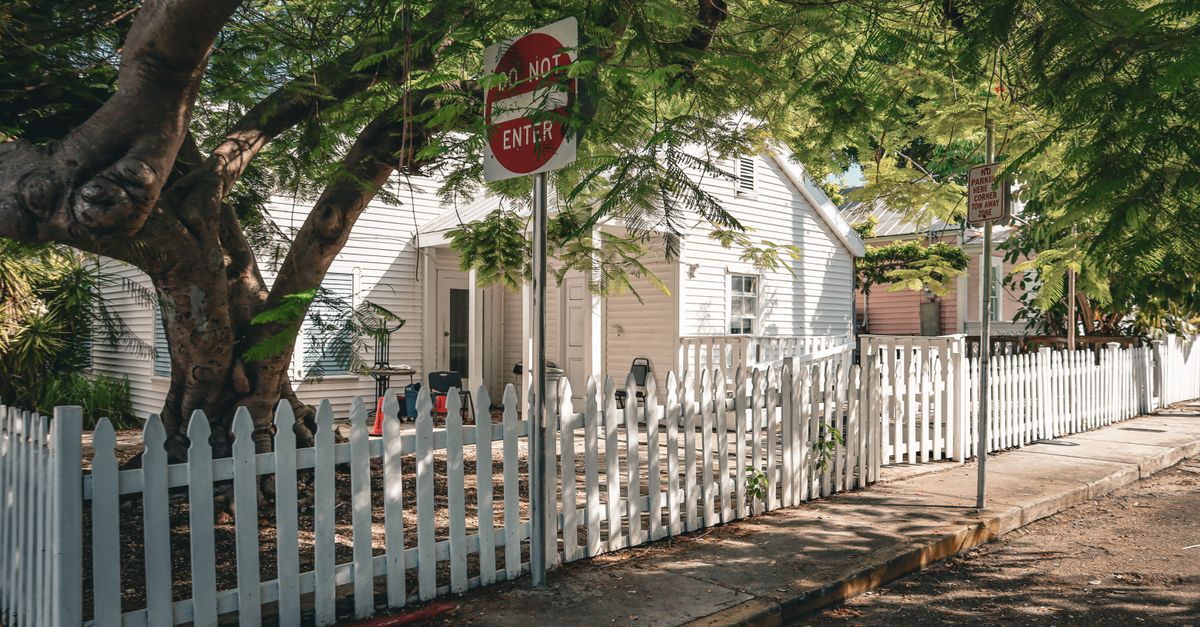
I’ve spent years building businesses and designing systems, but nothing feels more satisfying than watching a fence come together on my property. Whether I’m installing a sturdy chain link for security, an ornamental design for curb appeal, or an industrial gate for a commercial site, the decision process is surprisingly similar. In this review, I’ll walk through the key factors that help me pick the best option and avoid common pitfalls.
Before diving into specific fence types, it’s useful to frame the question: what exactly do you need your fence to do? For many homeowners, a fence must contain pets or livestock, provide privacy from neighbors, and enhance the visual appeal of the yard. Commercial owners often prioritize security, compliance with local codes, and integration with existing access control systems. By answering these foundational questions early, you’ll narrow down the options and make budgeting more accurate.
Chain Link Fences: Durability Meets Affordability
The first thing most homeowners consider when looking at fence options is how long it will last without constant maintenance. Chain link fences are built from galvanized steel or aluminum, making them resistant to rust, pests, and weather extremes. In 2026, the market has introduced a new line of self‑tensioned panels that reduce installation time by up to 30%.
For me, the main advantages are cost-effectiveness and low upkeep. I’ve had several properties where chain link was the safest choice for livestock containment or high-traffic areas. The only downside is the visual impact; if you’re after a more refined look, you’ll need to add trim or decorative panels.
Key Features of Modern Chain Link Fences
- Galvanized or aluminum construction
- Self‑tensioned panels for quicker installation
- Available in multiple heights (3–8 feet)
- Options for privacy screens or mesh variations
- Low maintenance—no painting required
I’ve seen that the initial cost is usually lower than ornamental options, and the long‑term savings come from fewer repairs. If you’re looking at a budget of under $30 per linear foot, chain link should be on your shortlist.
Installation Tips for Chain Link Fences
Even with a low‑maintenance product, proper installation is crucial to maximizing life span. Start by measuring the total length and marking post locations at 8–10-foot intervals; this spacing ensures structural stability without wasting material. Choose posts that match your local soil conditions: concrete footings are ideal for damp soils, while timber posts may be acceptable in drier areas if treated properly.
Once the posts are set, attach the self-tensioned panels using a tensioning system that applies uniform pressure along the fence line. This not only speeds up the process but also eliminates sagging over time. Finally, secure the top rails to prevent climbing and add a protective sealant if you’re using aluminum in an area with high salt exposure.
Ornamental Fencing: Aesthetic Value That Justifies Premium Price
When curb appeal is a priority—whether for a residential front yard or a boutique storefront—ornamental fencing delivers. These fences can be made from wrought iron, aluminum, vinyl, or wood, each offering different textures and finishes.
The benefit of ornamental fencing is the visual statement it makes; I’ve worked with clients who wanted a Victorian‑style fence that added historic character to their homes. The trade‑off is higher material cost and more frequent maintenance, especially for metal options that require periodic painting or rust treatment.
Common Materials Used in Ornamental Fencing
- Wrought iron with intricate scrollwork
- Aluminum panels stamped into decorative patterns
- Vinyl boards painted to mimic natural wood grain
- Composite lumber that resists rot and insects
- Stone or brick accents for a masonry look
When budgeting, I always recommend adding 10–15% extra for finish work. If you’re on a tight budget but still want some flair, vinyl can be an excellent compromise between cost and aesthetics.
Maintenance Tips for Ornamental Fences
- Wrought Iron: Inspect annually for rust spots; apply a fresh coat of paint every 3–5 years to preserve the finish.
- Aluminum: Clean with mild soap and water; avoid abrasive tools that can scratch the surface.
- Vinyl: Wash once a year with a low-pressure hose; use a gentle cleaner to remove mildew buildup.
- Composite Lumber: Sweep away debris regularly; apply a clear sealant every 4–6 years if you want extra protection against UV damage.
By following these simple care routines, ornamental fences can retain their beauty for decades without excessive expense.
Cost Considerations & Budgeting: How to Get the Most Bang for Your Buck
Understanding the full lifecycle cost of a fence is crucial. It isn’t just the price per foot; you have to account for installation labor, permits, post purchase, and ongoing maintenance. In my experience, a well‑planned fence project saves more money than a rushed one.
In my experience, the best way to stay on budget is to get at least three detailed quotes from local fence installation experts before committing.Typical Cost Breakdown for Fence Projects
- Materials: 30–50% of total cost
- Labor (installation): 25–35%
- Permits and inspections: 5–10%
- Post purchase and anchoring: 5–8%
- Maintenance over 10 years: 5–12%
For a residential property, you might expect $25–$45 per linear foot for chain link and $60–$120 for ornamental options. Industrial security gates can exceed $150 per foot when high‑tech features are added.
Sample Budget Scenario: 100-Foot Residential Fence
If you’re planning a 100-foot ornamental fence with composite lumber, the raw material cost might be around $8,000 ($80/foot). Adding labor (30% of total) brings it to $11,200. Including permits and post anchoring adds another $1,600, resulting in an approximate total of $12,800 before maintenance. Over ten years, a modest annual upkeep of $200 will keep the fence in top condition, making the overall investment well worth the curb‑appeal boost.
Financing Options
Many fencing companies offer payment plans that spread costs over 12–24 months without interest, or even financing through local banks. For commercial clients, tax deductions for security improvements can offset a significant portion of the expense. Always ask your installer about available financing or incentive programs before signing.
Choosing Fence Installation Experts: What to Look For
Even the best fence design will fail without a competent installer. My standard checklist includes credentials, experience, and transparency in pricing.
The most important factor is the contractor’s track record of on‑time, on‑budget projects.Checklist for Selecting a Fence Installation Expert
- Licensed and insured in your state
- Positive reviews with verifiable references
- Clear, itemized estimate that matches scope
- Warranties covering materials and workmanship
- Flexible scheduling to minimize property disruption
I’ve worked with a few companies over the past decade. Those that consistently followed my checklist delivered fences that lasted 15–20 years without major repairs.
Questions to Ask During the Consultation
- Can you provide a portfolio of completed projects similar in size and style?
- What is your policy on post‑installation support if a component fails?
- Do you handle all required permits, or does that responsibility fall on me?
- How do you ensure safety standards during construction?
These questions help clarify the contractor’s professionalism and commitment to quality.
Industrial Security Gates: When High‑Tech Protection Is Needed
If you’re managing commercial or industrial property, the fence requirements differ significantly from residential needs. Industrial security gates offer advanced features such as automated access control, tamper detection, and integration with building management systems.
In 2026, many providers have moved to modular gate designs that can be upgraded without replacing the entire system. The upfront cost is higher—often $200–$400 per linear foot—but the return on investment comes from reduced theft, improved compliance, and lower insurance premiums.
Features Common in Modern Industrial Security Gates
- Automated barrier controls with RFID or keycard access
- Surveillance camera integration
- Tamper‑alert sensors and alarm systems
- High‑strength steel construction for blast resistance
- Remote monitoring via cloud‑based dashboards
I’ve seen businesses cut their security incident reports by 70% after installing these gates. If your property is a high‑value asset or requires strict access control, the extra expense is justified.
Compliance and Standards for Industrial Gates
- NFPA 79: Governs electrical safety in industrial environments; ensures all gate motors and controls meet stringent standards.
- OSHA 1910.22: Requires guardrails on elevated platforms; applicable to high‑gate structures that elevate vehicles or personnel.
- UL 508A: Certifies industrial control panels, ensuring reliable operation under demanding conditions.
Adhering to these standards not only protects workers and equipment but also often reduces insurance premiums. Many insurers offer discounts for properties that meet or exceed these codes.
Case Study: Warehouse Security Upgrade
A mid‑size distribution center in the Midwest replaced its aging manual gates with a modular RFID system. The initial investment was $120,000 ($300/foot). Within two years, theft incidents dropped from 12 per month to 2, and the company reported a $45,000 reduction in insurance premiums. The ROI, calculated over five years, exceeded 150%, proving that high‑tech gates can be financially prudent as well as secure.
What fence type has proven most reliable for your property’s specific needs?


