
How Do I Choose the Right Fence for Enhanced Property Protection in 2026?
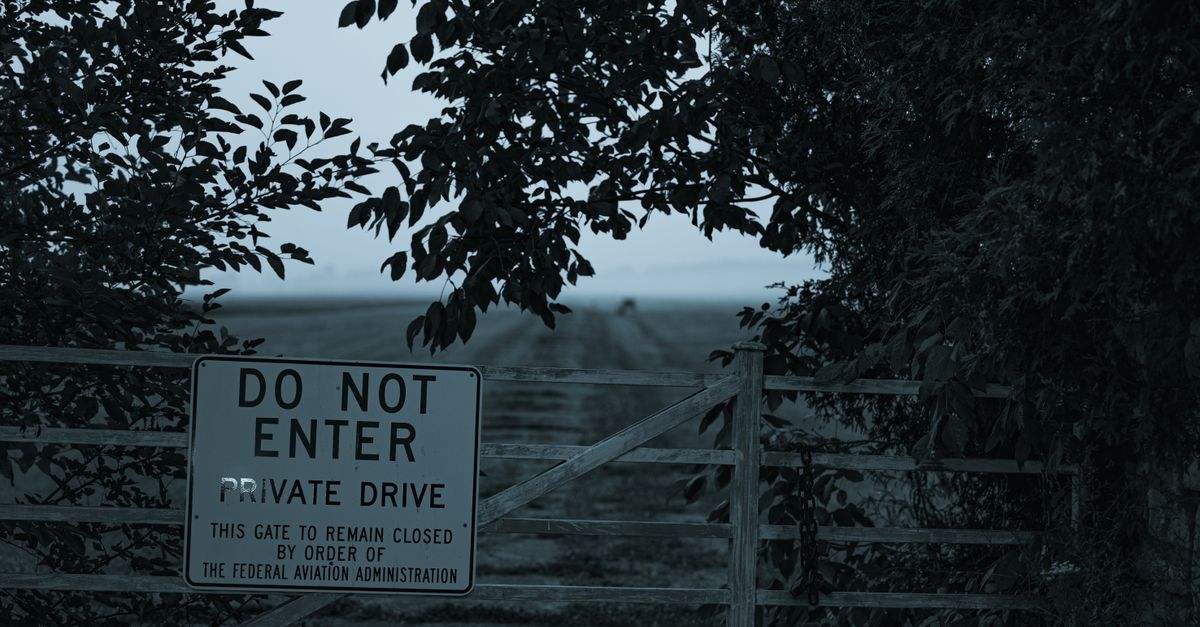
When it comes to safeguarding a property—whether it’s a family home, a manufacturing site, or an outdoor event venue—fencing is often the first line of defense. In 2026, the market offers a wide array of options that differ in material, design, cost, and compliance requirements. Selecting the correct type requires understanding your specific needs and the nuances between residential fence installation, industrial-grade fences, emergency fencing services, and safety fencing for events.
1. Understanding Your Fencing Requirements
Before you even pick a style, ask yourself: What am I protecting? Is it private land or a public space? Do I need a quick temporary solution or a long‑term permanent barrier? The answer shapes the entire decision tree.
Residential Fence Installation
For home owners, priorities usually include privacy, curb appeal, and durability against weather. Residential fences often integrate aesthetic elements such as latticework or ornamental posts while still offering security.
Industrial-Grade Fences
These are engineered for high traffic, heavy equipment, and stringent safety standards. Materials like welded steel mesh, reinforced aluminum, and composite panels provide superior strength and resistance to tampering.
Emergency Fencing Services
When an incident occurs—law enforcement activity, disaster response, or construction setbacks—you need a rapid deployment solution. Portable temporary fencing can be installed in hours and removed just as quickly.
Safety Fencing for Events
Large gatherings require crowd control, perimeter security, and compliance with local regulations. Event fences often incorporate modular panels, signage integration, and adaptable configurations to accommodate changing layouts.
Key takeaway: The type of fence you choose is directly linked to the level of protection required, regulatory obligations, and budget constraints.2. Types of Fences for Different Applications
Residential Fence Options
- Wooden picket fences – classic look, moderate cost.
- Vinyl panels – low maintenance, high durability.
- Chain link with privacy slats – budget‑friendly yet secure.
- Composite posts with decorative tops – blends strength and style.
Industrial-Grade Fence Materials
- Welded steel mesh – offers tensile strength and tamper resistance.
- Aluminum panels – lightweight, corrosion‑resistant, suitable for outdoor use.
- Reinforced concrete posts – ideal for heavy traffic zones.
- Composite fiber‑reinforced polymers – high performance at a premium price.
Emergency Fencing Solutions
- Portable chain link panels – easy to assemble and disassemble.
- Tensioned steel rope barriers – quick to deploy for crowd control.
- Inflatable fencing systems – rapid setup, ideal for temporary events.
- Modular timber frames with mesh covers – combine visibility with security.
Event Safety Fence Configurations
- High‑visibility netting panels – enhance safety signage.
- Adjustable post systems – allow for dynamic layout changes.
- Integrated LED lighting – improves nighttime visibility.
- Pre‑wired cable reels – enable quick addition of barriers where needed.
3. Key Factors to Consider When Selecting a Fence
The decision matrix involves several overlapping criteria:
Security Level
- Assess threat scenarios: trespassing, vandalism, animal intrusion.
- Select materials that resist cutting or climbing.
Durability and Weather Resistance
- Choose coatings for metal panels to prevent rust.
- Opt for rot‑resistant wood species or synthetic alternatives.
Regulatory Compliance
- Check local zoning ordinances and HOA guidelines.
- Ensure height, color, and material restrictions are met.
Aesthetic Appeal
- Match fence style with architectural theme of the property.
- Consider color palettes that complement landscaping.
Cost and Budgeting
- Include installation labor, permits, and future maintenance expenses.
- Avoid hidden costs such as foundation reinforcement or specialized fasteners.
4. Installation Process and Timeline
While each project varies, a typical workflow follows these stages:
Site Assessment & Design
- Measure perimeter accurately; account for obstructions.
- Create a design plan that balances function and aesthetics.
Permitting & Compliance Checks
- Submit drawings to local authorities if required.
- Obtain necessary permits before any excavation begins.
Construction Phase
- Excavate foundation trenches for posts or anchors.
- Erect fence sections, ensuring level alignment and secure fastening.
- Apply protective coatings or paint as needed.
Final Inspection & Handover
- Verify that all components meet design specifications.
- Document the installation for future maintenance reference.
The full process can take anywhere from a single weekend for simple residential panels to several weeks for large industrial installations, depending on complexity and weather conditions.
5. Maintenance & Longevity Tips
A fence is only as strong as its weakest point. Regular upkeep extends life span and preserves safety:
Routine Inspections
- Check for loose posts, rust spots, or broken panels every 6 months.
- Replace damaged components immediately to prevent failure.
Cleaning Protocols
- Wipe down metal surfaces with mild detergent and water.
- Remove moss or algae from wooden fences using a brush and vinegar solution.
Protective Coatings
- Reapply paint or sealant to metal fences annually.
- Use UV‑resistant coatings on vinyl or composite panels.
Winter Care
- Clear snow buildup to avoid pressure on joints.
- Inspect for ice damage after thaw cycles.
6. Cost Breakdown and Budgeting
Understanding the financial picture helps prevent surprises:
Material Costs
- Wood: $10–$25 per linear foot.
- Vinyl: $15–$35 per linear foot.
- Steel mesh: $20–$45 per square foot.
- Composite: $30–$60 per linear foot.
Labor Charges
- Residential installation: $2,000–$5,000 total.
- Industrial deployment: $10,000–$25,000 depending on scale.
- Emergency fencing services: hourly rates $80–$150.
Permits & Miscellaneous Fees
- Permit costs vary by jurisdiction but can range from $50 to $500.
- Additional fees for foundations, drainage modifications, or custom hardware.
Total investment depends on perimeter length, chosen material, and complexity. A realistic budget should include a 10–15% contingency for unforeseen expenses.
7. Common Mistakes to Avoid
Even seasoned property owners fall into these pitfalls:
Underestimating the Scope
- Skipping detailed measurements leads to material shortages.
Ignoring Local Regulations
- Non‑compliant fences can be dismantled by authorities at your expense.
Choosing Low-Quality Materials for Cost Savings
- Cheap options may fail prematurely, costing more in repairs.
Neglecting Future Expansion Needs
- Design fences with modularity to accommodate future additions.
8. A Personal Perspective on Fence Selection
When I oversaw the installation of a temporary perimeter fence for an emergency evacuation drill last year, I realized that the speed of deployment was more critical than any aesthetic consideration. We used portable chain link panels that could be set up in under two hours, allowing us to simulate realistic scenarios without compromising safety.9. Conclusion
Choosing the right fence is a strategic decision that balances security needs, regulatory compliance, budget constraints, and long‑term durability. Whether you’re installing a residential privacy wall, an industrial-grade barrier, or emergency fencing for a critical event, understanding these factors ensures you invest wisely and protect what matters most.
What specific challenges have you encountered when selecting or installing fences for your property, and how did you address them?


