
How do I choose the right access control fence for my property?
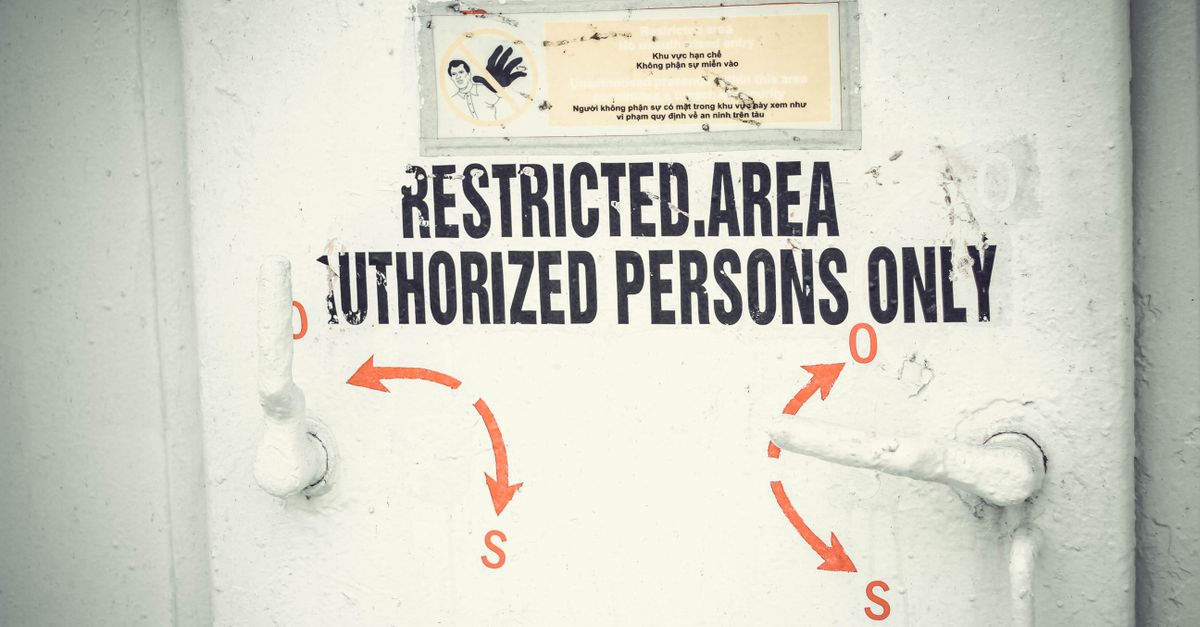
I’ve spent the last decade building systems that keep people safe while letting them move freely. When it comes to fencing, the goal is simple: protect your home or business without sacrificing convenience or aesthetics. In this guide I’ll walk through the different types of fences—access control, gated entry, eco‑friendly options—and show how you can evaluate each one based on strength, reliability, and upgrade potential.
What Is an Access Control Fence?
An access control fence is more than a barrier; it’s an integrated security system that manages who can enter your property. Think of it as the physical counterpart to a digital firewall—controlled gates, electronic locks, motion sensors, and sometimes biometric readers.
In practice, a residential property might use a low‑profile fence for privacy while integrating a smart gate at the driveway. A commercial warehouse could require high‑security gates with biometric readers that only allow authorized personnel during specific hours.
Key features:
Features of Modern Access Control Fences
- Electronic gate automation (remote, app‑based): Opens or closes the gate via a smartphone app, eliminating the need for keypads and allowing you to grant temporary access codes.
- Integrated alarm systems with real‑time alerts: Detects tampering or forced entry and immediately notifies you through push notifications or SMS.
- Camera surveillance linked to the fence perimeter: Provides live video feeds that can be reviewed on demand, offering evidence in case of an incident.
- Biometric or RFID entry credentials for high‑security areas: Uses fingerprint scanners or RFID tags to ensure only authorized individuals gain access.
- Smartphone notifications and remote monitoring: Lets you monitor fence status from anywhere, giving peace of mind when you're not at home.
The combination of these elements creates a fence that can be opened, closed, and monitored from anywhere. That’s why many commercial properties and upscale residences are moving toward access control systems.
Gated Entry Systems vs. Traditional Fencing
A gated entry system is the most visible form of access control. It typically includes a gate that can be opened automatically or manually, sometimes with an integrated keypad or card reader. The main difference between a gated entry and a plain fence is the level of automation and security intelligence.
Why Consider a Gated Entry System?
- Enhanced security through controlled access points
- Reduced labor—no need to manually open gates for guests
- Integrated with existing alarm or surveillance systems
- Customizable entry permissions (time‑based, user‑based)
- Improved property value and curb appeal
When evaluating gated entry systems, ask whether the system can integrate with other smart devices you already own. Compatibility is a big factor in long‑term reliability.
ECO‑Friendly Fencing Solutions: Sustainability Meets Security
Eco‑friendly fencing solutions appeal to homeowners who want to reduce their carbon footprint without compromising on strength. Materials like recycled steel, composite wood, and sustainably sourced timber offer durability while staying green.
Top Eco‑Friendly Fence Materials
- Recycled aluminum—lightweight but strong
- Composite panels made from reclaimed plastics and wood fibers
- Sustainable hardwoods (e.g., cedar, redwood) treated with non‑toxic preservatives
- Living fences—vegetable or shrub hedges that act as natural barriers
- Biodegradable fencing panels for temporary installations
While eco‑friendly materials often come at a premium, the long‑term savings in maintenance and energy usage can offset the initial cost. Additionally, many municipalities offer rebates for green construction.
A practical example is a suburban home that replaced its old chain‑link fence with a composite panel system. The new fence required only minimal upkeep—just occasional cleaning—and the homeowner reported a 20 % reduction in annual maintenance expenses compared to the previous material. This demonstrates how environmental consciousness can coexist with cost efficiency.
Strong and Reliable Fences: What to Look For
When you’re looking for a fence that will hold up over time, focus on material quality, construction technique, and protective coatings. A strong fence is not just about height; it’s about resilience against weather, tampering, and wear.
Key Attributes of Strong Fences
- High‑grade steel or wrought iron with a minimum 30 MPa tensile strength
- Deep concrete footings that resist shifting and settling
- Corrosion‑resistant coatings (galvanized, powder‑coated)
- Design that includes anti‑climb features such as angled posts
- Regular maintenance schedule (annual inspections, cleaning)
In my experience, the most reliable fences are those that have a clear service plan—scheduled inspections and a rapid response team for repairs. That reduces downtime and keeps your property safe.
Fence Upgrades and Modifications: When to Upgrade?
Upgrading an existing fence can be more cost‑effective than installing a new system from scratch. Common upgrade scenarios include:
Typical Fence Upgrade Scenarios
- Replacing old hinges with motorized gates for better access control
- Adding motion sensors or cameras to a traditional perimeter
- Installing a reinforced steel overlay on wooden posts
- Converting a single‑gate entry to a dual‑gate system for added security
- Integrating smart home hubs for unified remote management
When planning upgrades, consider the existing foundation. A weak footing can undermine even the most robust additions.
Before starting any upgrade, conduct a thorough assessment of the current fence’s structural integrity and electrical wiring (if applicable). This pre‑installation audit helps identify hidden issues—such as rusted posts or outdated power lines—that could compromise the new system’s performance.
Cost Considerations: Budgeting for Security
The price of a fence varies widely based on materials, technology level, and labor. Here’s a rough breakdown to help you set realistic expectations:
Estimated Cost Ranges (2026)
- Basic wooden fence: $15–$30 per linear foot
- Recycled steel or composite fence: $25–$50 per linear foot
- Standard gated entry system: $3,000–$8,000 (incl. installation)
- High‑tech access control with biometric readers: $10,000–$20,000
- Eco‑friendly composite panels (premium): $35–$60 per linear foot
Don’t forget ongoing costs—maintenance, potential upgrades, and system subscriptions. A clear budget will prevent surprises during the installation phase.
For example, a commercial client that installed a dual‑gate biometric system reported an annual operating cost of $1,200, which included routine sensor calibration, software licensing, and a 12‑month warranty on all electronic components. In contrast, the initial hardware expense was roughly $15,000—a one‑time investment that paid off through reduced security incidents.
Installation Process: From Planning to Activation
A successful fence project follows a structured workflow:
Step‑by‑Step Installation Workflow
- Site assessment—measure perimeter, identify obstructions, evaluate soil stability.
- Select fence type and materials based on security needs and aesthetics.
- Obtain permits—local zoning, HOA approvals, utility easements.
- Order components—posts, panels, gates, electronic controls.
- Install foundations—concrete footings or post anchors.
- Erect fence structure—install posts, attach panels, secure gates.
- Integrate electronics—wire sensors, cameras, control panels.
- Test system—verify access control logic, alarm triggers, remote connectivity.
- Document and hand over—provide maintenance schedule and user guide.
A well‑planned installation reduces downtime and ensures that the fence performs as intended from day one. For instance, scheduling a pre‑installation site walk with all stakeholders helps identify potential conflicts—such as underground utilities or slope issues—that could otherwise delay the project by weeks.
Maintenance Tips: Keeping Your Fence Strong for Years
Regular upkeep extends the life of any fence. Here are practical maintenance steps:
Monthly Maintenance Checklist
- Inspect posts and panels for cracks or corrosion.
- Clean sensors, cameras, and electronic components to prevent dust buildup.
- Lubricate hinges, rollers, and moving parts on gates.
- Check fasteners—tighten bolts and screws as needed.
- Trim vegetation that could compromise structural integrity or conceal tampering.
In my experience, a 10‑minute monthly check saves thousands in repairs later. Seasonal adjustments are also important: winter storms can cause ice buildup on gate hinges; spring thaw may loosen footings if drainage is inadequate. Addressing these issues promptly ensures continuous operation and extends component life.
Selecting a Vendor: What to Evaluate
A reputable fence supplier should provide more than just products; they need to offer design expertise, installation services, and post‑sale support. Ask potential vendors:
- Do you have certified installers?
- Can you provide references from similar projects?
- What warranties cover materials and workmanship?
- How do you handle maintenance or repair requests?
- Are your products compatible with smart home ecosystems?
- Do you carry liability insurance for installation work?
A vendor that answers confidently and transparently is likely to deliver a reliable fence system.
Common Mistakes to Avoid
Even well‑intentioned projects can falter if these pitfalls are ignored:
- Underestimating the cost of foundations—leading to settling or collapse.
- Choosing a fence that’s too low for the security level you need.
- Forgetting to integrate the fence with existing alarm systems.
- Ignoring local regulations—resulting in fines or mandatory removal.
- Skipping post‑installation testing—missing hidden faults until an incident occurs.
- Overlooking drainage around footings, which can accelerate corrosion.
By anticipating these issues, you can streamline the process and avoid costly rework.
The key takeaway: A strong, reliable fence isn’t just about height—it’s a system that integrates materials, technology, and maintenance into one cohesive solution. What specific security challenges are you facing with your current fencing setup?


