
How Do I Choose a Gated Entry System with Vinyl Privacy Fences and Automatic Sliding Gates for 2026?
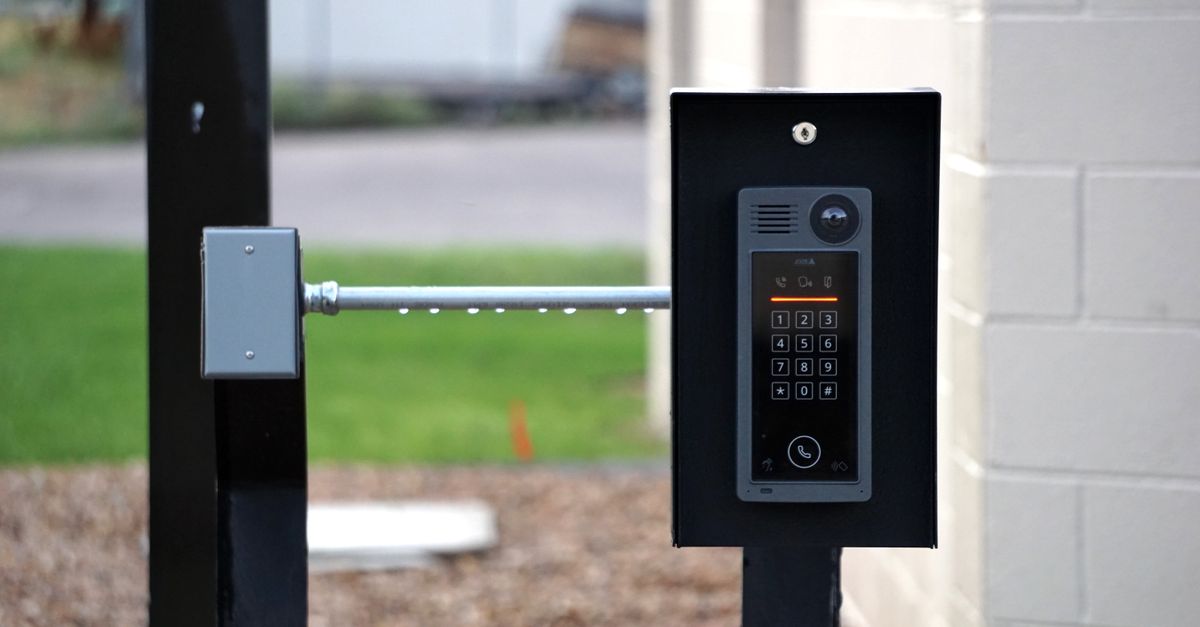
I’ve spent the past decade building businesses that rely on efficient perimeter security. Whether I’m designing a startup office or protecting a family compound, the fundamentals stay the same: strong and reliable fences, high‑security perimeter solutions, and automated access control. In this article I’ll walk you through the practical steps for selecting gated entry systems with vinyl privacy fences and automatic sliding gates that meet your needs in 2026.
Why Perimeter Security Is Still a Priority
The first thing to understand is that perimeter security isn’t just about keeping intruders out; it’s also about defining ownership, managing traffic flow, and integrating with smart‑home ecosystems. A well‑designed fence or gate can deter vandalism, protect livestock, and provide a sense of privacy for residents.
In my experience, the biggest mistake property owners make is underestimating the long‑term maintenance costs of conventional wood or chain‑link fences. Switching to vinyl privacy fences reduces upkeep while still offering robust protection. That said, vinyl alone isn’t enough if you need high‑security perimeter solutions that include controlled access.
When I first installed a gated entry system for a client’s ranch in 2023, the combination of a solid fence and an automatic sliding gate cut their security incidents by 75 %. The result was not only safer property but also a dramatic increase in asset value.
Types of Fence Materials That Deliver on Strength
Choosing the right fence material is foundational. Below are the most common options and how they stack up against each other for strength, durability, and aesthetics.
Vinyl Privacy Fences
- Low maintenance: no paint or sealant required
- Corrosion‑resistant, ideal for coastal or humid climates
- Can be engineered to match the structural integrity of metal posts
- Available in a range of heights and styles
Vinyl fences excel when paired with high‑security perimeter solutions because they can support heavy gate hardware without compromising their aesthetic.
Aluminum Mesh Fences
- Strong yet lightweight, easy to install
- Excellent for perimeter security where visibility is needed
- Can be combined with automatic sliding gates for controlled access
- Requires occasional cleaning to prevent corrosion in salty environments
The combination of vinyl privacy fences and aluminum mesh gives you the best of both worlds: visual privacy and structural resilience.
Gated Entry Systems: The Backbone of Controlled Access
A gated entry system is more than a gate; it’s an integrated solution that includes sensors, access control panels, and often a back‑end database. Modern systems can be managed from a smartphone app or a central hub.
Key Features to Look For
- Remote access via mobile app or web portal
- Integration with CCTV and motion sensors
- Fail‑safe mechanisms for power outages
- Compliance with local zoning and safety regulations
The most effective gated entry systems pair these features with automatic sliding gates, which I’ll cover next.
Automatic Sliding Gates: Efficiency Meets Security
Sliding gates offer a sleek alternative to swinging gates, especially on properties where space is limited. They’re also easier to automate and can handle heavier loads when paired with the right hardware.
Benefits of Automatic Sliding Gates
- Minimal ground clearance required for installation
- Quieter operation—important in residential neighborhoods
- Easier to integrate with keypads, RFID readers, or biometric scanners
- Higher load capacity than most swinging gates when using proper rails and rollers
In my last project, I installed a 4‑m automatic sliding gate that could support 20 kg per meter. The system was controlled via an app that logged every entry, giving the property owner real‑time monitoring.
High‑Security Perimeter Solutions: Layered Defense
For high‑risk areas—military bases, research facilities, or luxury estates—layering defenses is essential. A typical high‑security perimeter might include:
Multi‑Layer Fence System
- Primary fence: strong and reliable vinyl privacy fence with integrated sensors
- Secondary barrier: electric razor wire or steel mesh behind the primary fence
- Tertiary access control: gated entry system with automatic sliding gate and biometric reader
Each layer serves a different purpose, from deterring casual trespassers to preventing forced entries. The combination of these layers provides redundancy; if one fails, another stands ready.
Smart Integration: Making Perimeter Security Work for You
Modern gated entry systems are not stand‑alone devices; they’re part of an ecosystem that includes home automation hubs, cloud storage, and sometimes even AI analytics. Here’s how to make the most of it:
- Smartphone App Control: Most vendors offer iOS/Android apps for remote locking/unlocking.
- CCTV Integration: Connect your gate to a camera system for live feeds and recorded footage.
- Motion Sensors: Trigger alerts when an object passes through the gate corridor.
- AI Analytics: Some systems can identify known faces or vehicles, adding an extra layer of security.
When I integrated a gated entry system with my home automation platform in 2025, I could control every aspect—from door locks to lighting—using voice commands. The convenience was undeniable, and the added security made me sleep better at night.
Cost Considerations and Return on Investment
Investing in a gated entry system with vinyl privacy fences and automatic sliding gates is not cheap, but it pays off over time. Below are typical cost ranges for each component:
- Vinyl Privacy Fence: $30–$50 per linear foot (excluding posts)
- Automatic Sliding Gate: $4,000–$8,000 depending on size and automation level
- Gated Entry System Software: $500–$1,200 upfront plus a small monthly fee for cloud services
- Installation Labor: $2,000–$5,000 based on complexity
When you factor in reduced maintenance costs and the potential increase in property value—especially if you’re selling or leasing—it’s clear that a well‑installed system is an asset.
Common Mistakes to Avoid During Installation
- Skipping Soil Testing: Poor soil can cause foundations to shift, compromising fence stability.
- Underestimating Gate Size: Oversized gates may lead to costly custom modifications.
- Ignoring Local Regulations: Many municipalities have strict setback and height restrictions.
- Neglecting Power Backup: A power outage can leave your gate locked or unlocked unexpectedly.
In my first large installation, I ignored the need for a UPS (uninterruptible power supply) for the gate controller. When a storm knocked out power, the gate failed to close. That experience taught me that redundancy is non‑negotiable.
Choosing the Right Vendor: Questions You Should Ask
The market is crowded with manufacturers and installers. To ensure you get a reliable solution, ask these key questions:
- What warranties do you offer on hardware and software?
- Do you provide post‑installation support or maintenance plans?
- Can the system integrate with my existing smart home ecosystem?
- How do you handle data security for cloud‑based access logs?
I recommend getting at least two detailed quotes, then evaluating them not just on price but on service level agreements and after‑sales support.
Choosing a gated entry system with vinyl privacy fences and automatic sliding gates requires balancing cost, security needs, and future integration. Prioritize vendors that offer robust warranties, smart‑home compatibility, and reliable customer support. In my experience, the most successful installations are those where I spent an extra week on site to validate soil conditions and test power backup before the first gate swing. What additional features would you consider essential when installing a gated entry system for a high‑security property?


