
How can I choose the right high‑security perimeter solution for my storage facility?
When a storage facility is under threat from theft, vandalism, or accidental damage, the perimeter fence becomes more than a boundary—it’s a frontline defense. The decision on which fencing system to install hinges on several key factors: security level, durability, environmental impact, and compatibility with surveillance technology. In this article I’ll walk through those considerations so you can make an informed choice that protects assets without overspending.
Choosing the right fence is not merely a construction decision; it’s a strategic investment in your facility’s operational continuity. A well‑designed perimeter can deter opportunistic thieves, delay determined intruders, and even reduce insurance premiums. Conversely, a poorly planned barrier can create blind spots that allow breaches to go unnoticed until significant loss occurs.
Understanding High‑Security Perimeter Requirements for Storage Facilities
A storage site typically houses high-value or sensitive goods; therefore the perimeter must deter both opportunistic thieves and determined intruders. The first step is to assess risk: analyze past incidents, local crime statistics, and the value of stored items. Once you have a threat profile, match it against fence capabilities.
Risk assessment often involves gathering data from local police reports, reviewing security footage for previous attempts, and consulting with a professional security auditor. Some facilities also use GIS mapping tools to identify high‑crime zones nearby, which can inform the selection of more robust fencing in those areas.
Security levels usually fall into three tiers:
- Basic deterrence – simple chain link or welded wire that discourages casual trespassing.
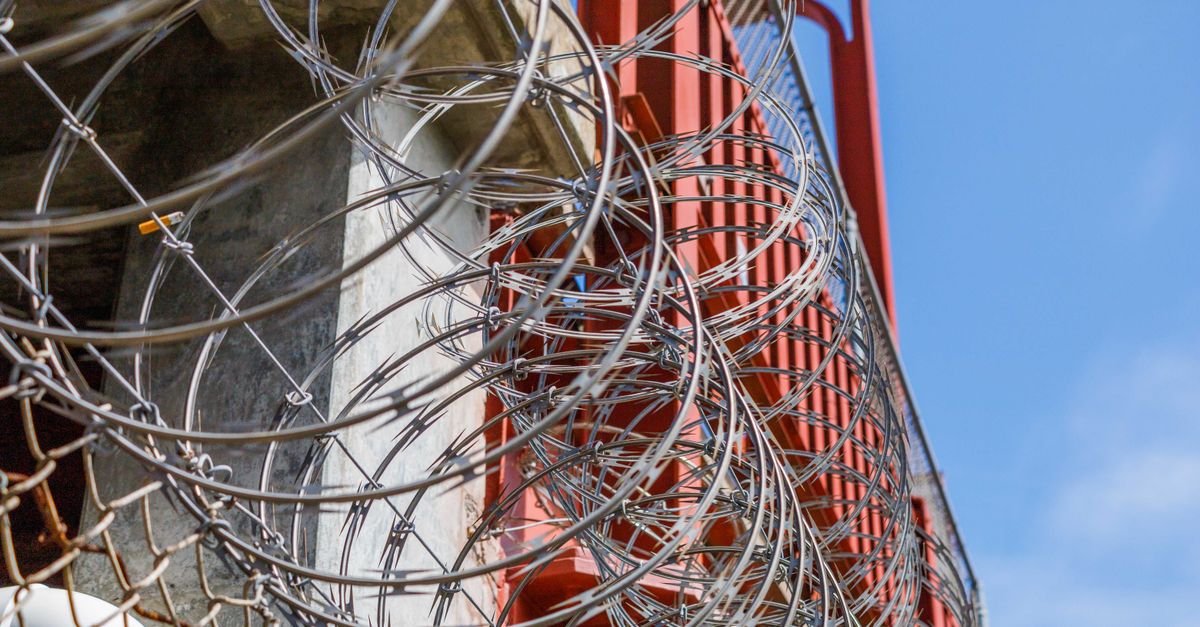
- Enhanced security – reinforced chain link with anti‑climb features, topped with electric shock or razor‑wire.
- Maximum protection – integrated CCTV‑compatible fencing with motion sensors and alarm triggers.
In my experience, many facility managers underestimate the importance of a well‑planned perimeter layout. A fence that looks solid but has weak points—such as gaps in gates or low barriers at corners—can give thieves an easy entry point. Proper spacing, adequate post depth, and strategic gate placement are essential for maintaining integrity.
Heavy‑Duty Chain Link Fencing – Durability, Cost, and Installation
Heavy‑duty chain link remains the most common choice for storage facilities because it balances cost, strength, and ease of installation. The key specifications to look at are:
- Wire gauge (AWG) – 7 AWG or thicker offers better resistance to cutting.
- Mesh size – smaller openings reduce the chance of small tools penetrating.
- Coating – galvanized, stainless steel, or epoxy coatings protect against corrosion.
The installation process involves anchoring posts every 20–30 feet. The posts must be driven deep enough to withstand lateral forces from wind or attempted breaching. A professional installer will also ensure the fence meets local building codes and setback requirements. During installation, tensioning the wire properly prevents sagging that could create gaps over time.
After the initial setup, it’s wise to perform a quarterly inspection of post integrity and gate functionality. Look for signs of rust on posts or loose connections at the top rail, as these are common failure points.
Cost Breakdown for Heavy‑Duty Chain Link
A typical 100‑meter run of heavy‑duty chain link can cost between $1,200 and $2,000, depending on materials and labor. Additional expenses include:
- Post foundations – concrete or masonry bases add 10–15%.
- Gates – automatic or manual gates range from $500 to $3,000 each.
- Finishing touches – anti‑climb coatings or integrated electric systems can push the total upward by up to 30%.
The return on investment is clear: a well‑installed fence reduces insurance premiums and protects inventory from loss. Labor typically requires two to three skilled workers for a single meter of fence, translating into roughly 20–30 man‑hours per 100 meters, which can be factored into budgeting.
Eco‑Friendly Fencing Solutions – Materials, Sustainability, and Compliance
For facilities that prioritize environmental stewardship, eco‑friendly fencing options are increasingly available. These solutions use recycled or sustainably sourced materials while still meeting security standards.
Recycled steel chain link utilizes post‑consumer scrap steel, reducing the carbon footprint of production. Aluminum fences offer corrosion resistance and can be engineered to match heavy‑duty specifications. Composite posts made from recycled plastics also provide a low‑maintenance alternative.
Compliance with local environmental regulations is critical. Many municipalities now require “green” building practices for new construction or major renovations, which may include using materials that are recyclable and free of hazardous substances.
Benefits of Eco‑Friendly Fencing
- Reduced maintenance – fewer rust issues mean less labor over time.
- Lower lifecycle cost – despite higher upfront prices, long‑term savings are significant.
- Positive brand image – demonstrates corporate responsibility to clients and regulators.
When choosing an eco‑friendly solution, confirm that the manufacturer’s certifications (e.g., FSC, ISO 14001) align with your facility’s sustainability goals. Some suppliers offer warranties that cover corrosion failures for a set number of years, which can further reduce long‑term risk.
CCTV-Compatible Fencing – Integration, Visibility, and Alerts
Modern security demands real‑time visibility. CCTV‑compatible fencing incorporates features that enhance camera performance and trigger automated alerts:
- Clear lines of sight – lower posts or transparent panels allow cameras to capture a wide angle.
- Smart sensors – motion detectors embedded in the fence can send instant notifications to security staff.
- Alarm integration – the fence can be wired directly into an alarm system that activates upon forced entry.
Choosing a CCTV‑compatible fence typically adds $200–$400 per meter, but the benefits—reduced false alarms and faster response times—justify the investment for high‑value sites. When selecting sensors, consider infrared versus thermal options; infrared is effective in daylight while thermal excels at night or in low‑visibility conditions.
Maintenance & Inspection
Even the most robust fence requires regular upkeep to remain secure. Schedule inspections every six months, focusing on:
- Post stability – ensure no signs of leaning or loosening.
- Wire tension – sagging can create gaps; re‑tighten as needed.
- Gate integrity – check hinges, latches, and electric contacts for wear.
- CCTV connections – verify that sensors and cameras are functioning and have clear power supplies.
Document each inspection with photos and notes. A well‑maintained fence not only preserves security but also extends the lifespan of the materials, yielding additional cost savings over time.
Choosing the Right System – Decision Matrix and Common Mistakes
Below is a simplified decision matrix to help you weigh options. Assign each factor (security level, cost, eco‑impact, CCTV integration) a score from 1 (low) to 5 (high). Multiply by weightings that reflect your facility’s priorities.
Decision Matrix Example
| Factor | Weight (%) |
|---|---|
| Security Level | 35 |
| Cost Efficiency | 25 |
| Ecosustainability | 15 |
| CCTV Compatibility | 25 |
For instance, a high‑risk storage of hazardous materials might assign a 5 to Security Level and 4 to CCTV Compatibility but only a 2 for Eco‑sustainability. After scoring each option, multiply by the weights and sum the results; the highest total indicates the most balanced solution.
Common mistakes I’ve seen in the field include:
- Over‑engineering for low‑risk sites, leading to unnecessary expense. Mitigation: align fence strength with documented threat level.
- Neglecting post depth, which can cause fences to topple under force. Mitigation: use a soil test kit and adhere to local code requirements.
- Ignoring local regulations on fence height and appearance. Mitigation: review zoning ordinances before finalizing design.
Use the matrix as a starting point but tailor it to your specific operational needs. For example, if you store hazardous materials, prioritize security level even at the expense of higher cost.
Key takeaway: A balanced approach—matching heavy‑duty chain link with eco‑friendly coatings and CCTV compatibility—provides robust protection while keeping long‑term costs manageable.In my experience, facilities that regularly update their perimeter defenses based on evolving threats see a measurable decline in incidents. Simple upgrades like adding motion sensors or tightening gate locks can pay dividends before a full fence replacement is needed.
What specific security challenges does your storage facility face, and how might a tailored fence solution address them?


