
How can CCTV‑compatible fencing improve security for warehouses in 2026?
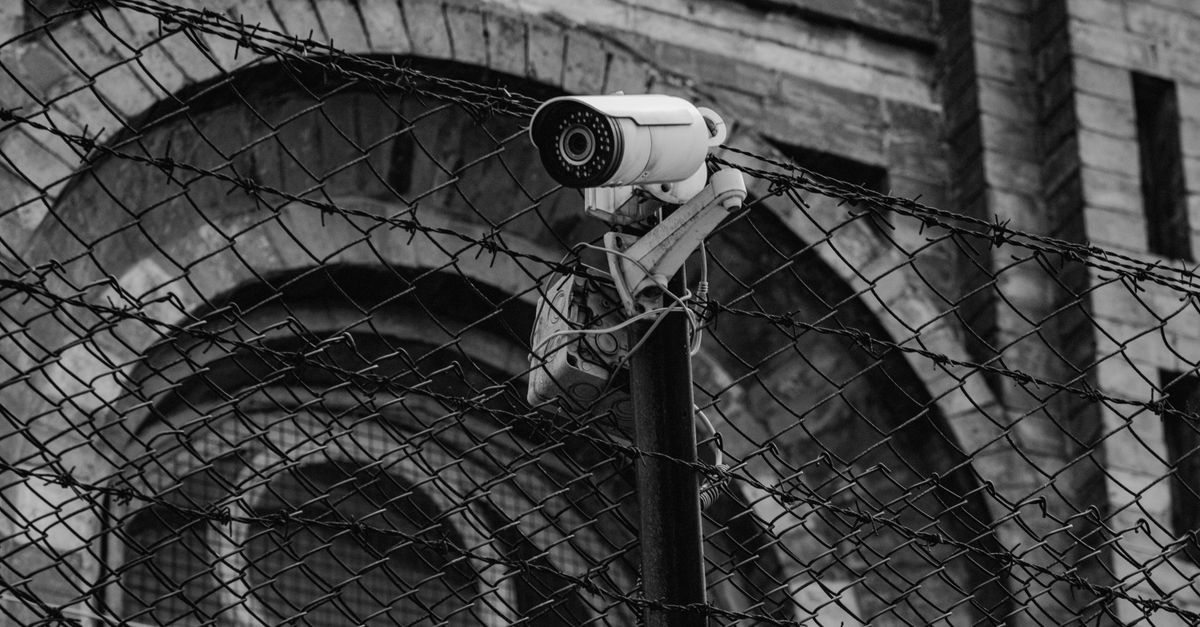
Warehouse operators constantly face threats from theft, vandalism, and unauthorized access. Traditional fences offer a physical barrier but provide limited visibility and real‑time monitoring. In 2026, the integration of CCTV‑compatible fencing—fences designed to accommodate cameras, sensors, and wireless connectivity—has become a game‑changer for securing industrial sites.
Understanding CCTV‑Compatible Fencing
CCTV‑compatible fencing is engineered so that surveillance equipment can be mounted directly onto or integrated within the fence structure. This design eliminates gaps between the fence and cameras, reduces blind spots, and simplifies wiring and maintenance. The key advantages include:
Benefits of CCTV‑Compatible Fencing
- Seamless camera integration. Cameras attach flush to posts or rails, ensuring a continuous line of sight.
- Reduced installation time. Pre‑wired conduits and mounting points cut labor hours.
- Lower maintenance costs. Fewer joints mean less corrosion and fewer replacement parts.
- Enhanced deterrence. Visible cameras combined with a robust fence signal high security readiness.
- Scalability. Modular designs allow easy expansion for future growth or additional sensors.
- Integrated analytics. Some fences include edge‑processing modules that analyze footage locally, reducing bandwidth needs and alerting operators to suspicious activity immediately.
- Energy efficiency. The flat surfaces of many smart fences can host solar panels or small wind turbines, powering cameras and sensors without external grid connections.
The result is a fence that functions as both a physical barrier and an integral part of the surveillance system, delivering comprehensive coverage without compromising aesthetics or functionality. When properly designed, it also supports advanced features such as motion‑sensitive lighting, tamper detection, and remote firmware updates.
Comparing Fence Options for Warehouses
When selecting fencing for warehouses, you face several traditional options: chain‑link, welded wire, aluminum panels, and newer smart fences. Each has its pros and cons, but CCTV‑compatible models stand out when real‑time monitoring is a priority.
Key Fence Types to Consider
- Chain‑Link with Camera Mounts. Durable and cost‑effective; requires custom mounting brackets.
- Welded Wire Mesh. Offers high strength but can obstruct camera view if not properly spaced.
- Aluminum Panel Fences. Sleek appearance; cameras must be mounted separately, adding complexity.
- CCTV‑Compatible Smart Fence. Designed from the ground up for surveillance integration.
For warehouses that value both security and operational efficiency, a CCTV‑compatible fence often provides the best balance between cost, durability, and integrated visibility. In addition, smart fences tend to have a longer service life due to corrosion-resistant coatings and protected wiring routes, which can translate into lower long‑term capital expenditure.
Key Features to Look For in Security Fence Contractors
The quality of your fence depends as much on the contractor as on the material. When hiring security fence contractors, evaluate these critical attributes:
Contractor Evaluation Checklist
- Experience with CCTV‑compatible systems. Ask for case studies or references from similar industrial projects.
- Compliance with industry standards. Certifications such as ISO 9001 or local building codes indicate quality control.
- Comprehensive warranties. Look for both material and workmanship guarantees covering at least five years.
- Integrated project management. Contractors who coordinate with your security vendor reduce downtime.
- Transparent pricing. Detailed, itemized quotes help avoid hidden fees.
- Local presence. A contractor based near the site can respond quickly to maintenance needs and supply chain disruptions.
- Technical support. Availability of on‑site or remote assistance for camera firmware updates and troubleshooting.
A skilled contractor will not only install the fence but also ensure that cameras and sensors are correctly positioned for optimal coverage, taking care to align mounting points with the designed field of view and future expansion plans.
Cost Breakdown and ROI Calculation
Investing in CCTV‑compatible fencing is a capital expense, yet it can yield significant returns over time. Below is a typical cost structure for a medium‑sized warehouse:
- Fence material & installation. $30–$50 per linear foot depending on height and material.
- CCTV equipment. $1,200–$2,500 per camera unit, including lenses and mounting hardware.
- Wiring & conduit. $0.75–$1.25 per foot for fiber or copper cabling.
- Software & monitoring services. Subscription fees range from $50 to $150 per month for cloud storage, analytics dashboards, and remote access.
- Labor & project management. 10–15% of total material cost.
The initial outlay can be offset by reduced theft losses, lower insurance premiums, and decreased labor costs associated with manual monitoring. A typical return‑on‑investment (ROI) period for a well‑executed CCTV‑compatible fence ranges from 2 to 4 years, depending on the risk profile of the location. In high‑traffic facilities, the savings can be realized even sooner due to higher incident rates and more aggressive insurance discounts.
Implementation Steps – From Planning to Installation
Deploying a CCTV‑compatible fence involves coordinated planning across multiple disciplines. Follow these steps for a smooth rollout:
- Site Survey. Measure perimeter length, identify existing obstructions, and map desired camera placements.
- Select Fence Type. Choose between chain‑link, welded wire, or aluminum based on durability and aesthetic requirements.
- Design Camera Layout. Determine lens specifications, angles, and field of view to cover all critical zones.
- Coordinate with Security Vendor. Ensure cameras support the chosen fence’s mounting system (e.g., rail‑mounted or post‑attached).
- Obtain Permits & Approvals. Verify compliance with local zoning, fire codes, and any homeowner association guidelines if applicable.
- Install Fence. Contractors should lay posts, attach panels or mesh, and embed pre‑wired conduits.
- Mount Cameras. Secure camera units onto the fence structure, run cables to a central hub or network switch.
- Test & Commission. Verify camera feeds, adjust angles, and conduct alarm response drills.
- Document Maintenance Schedule. Create logs for inspection, cleaning, and firmware updates.
- Review Performance. After the first month of operation, evaluate coverage gaps or false‑alarm rates and fine‑tune camera positions accordingly.
By following this workflow, you minimize downtime and ensure that the fence functions as a cohesive security system. A well‑documented rollout also aids in future audits and justifies ongoing investment to stakeholders.
Common Mistakes and How to Avoid Them
Even with meticulous planning, several pitfalls can undermine the effectiveness of CCTV‑compatible fencing:
- Inadequate Camera Coverage. Overlooking blind spots leads to security gaps; use a coverage matrix during design.
- Choosing Low‑Quality Materials. Poor construction accelerates corrosion and weakens structural integrity.
- Neglecting Cable Management. Loose or exposed cables invite tampering and damage.
- Ignoring Future Expansion. Fences that cannot accommodate additional cameras limit scalability.
- Skipping Professional Installation. DIY approaches often fail to meet safety standards, risking liability.
A proactive approach—selecting certified contractors, performing rigorous testing, and planning for growth—helps avoid these common errors. Additionally, incorporating routine inspections into your asset‑management calendar ensures that any degradation is caught before it compromises security.
The most critical takeaway: integrating CCTV directly into the fence structure eliminates blind spots and streamlines maintenance, providing a robust, long‑term security solution that outperforms traditional fences.In my experience, warehouses that adopted CCTV‑compatible fencing reported a 30% reduction in theft incidents within the first year. The combination of physical deterrence and instant visual confirmation creates an environment where potential intruders think twice before attempting entry.
What specific challenges have you faced when integrating surveillance equipment into warehouse fences, and how did you overcome them?


