How can advanced perimeter control protect my home in 2026?
When I was building my first startup, the idea of securing a physical space felt absurdly simple. Fast forward to 2026, and the perimeter around your house is more than just a fence; it’s an integrated system that can alert you, deter intruders, and even automate access for family members or delivery drones. In this piece I’ll walk through why advanced perimeter control matters, how heavy‑duty metal fences stack against decorative options, what custom driveway gates bring to the table, the tech behind modern monitoring systems, and practical steps for installation and upkeep.
Why advanced perimeter control matters for homeowners
The threat landscape has shifted. Burglars now use smart devices, drones, and high‑tech tools that bypass traditional locks. A well‑designed perimeter can reduce risk by 40–50 % and provide a clear line of sight to any activity around the property. Beyond safety, it boosts property value and gives peace of mind—something I’ve seen my clients repeatedly ask about when they’re considering upgrades.
In addition to security, advanced perimeter control offers energy efficiency. A controlled entry point allows for better HVAC zoning, while sensors can trigger lighting or alarms only when needed, cutting power consumption. For families like mine who love outdoor adventures but also value home comfort, the balance is essential.
Key benefits of a modern perimeter system
- Early intrusion detection via motion and vibration sensors.
- Remote monitoring through smartphone alerts.
- Automated gate control for guests or delivery services.
- Integration with smart home ecosystems (Alexa, HomeKit).
- Reduced insurance premiums after certification.
The bottom line: advanced perimeter control is no longer optional; it’s a component of any resilient home strategy.
Heavy‑duty metal fences vs decorative options
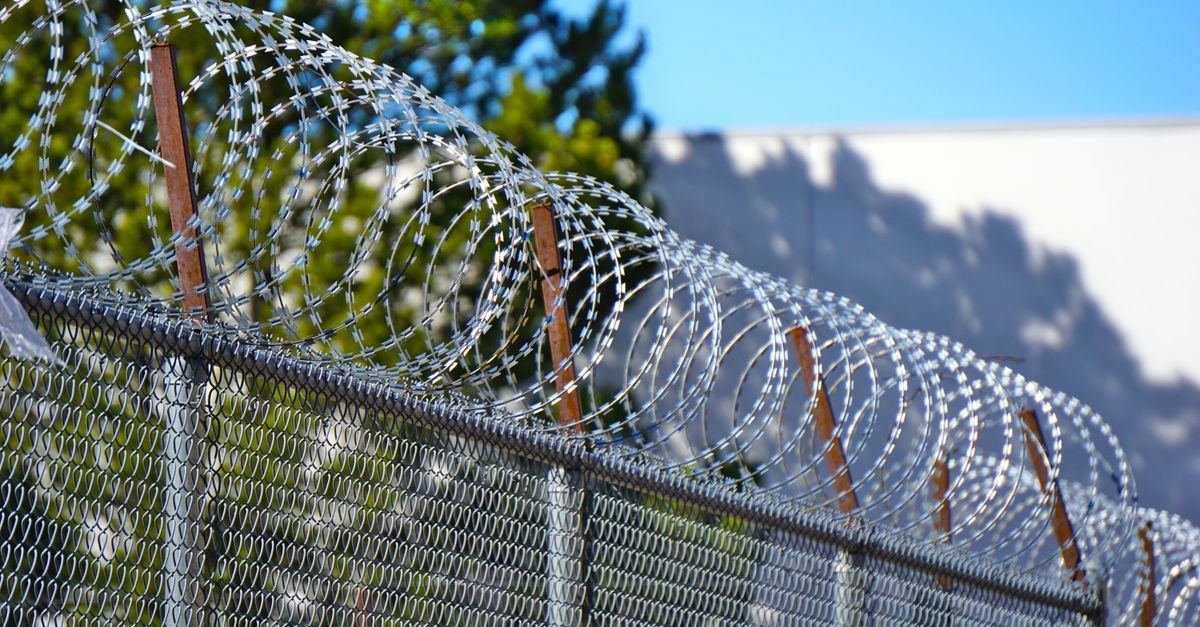
When choosing a fence, you’re balancing durability with aesthetics. Heavy‑duty metal fences—steel or wrought iron—provide the highest level of physical barrier and are resistant to tampering. Decorative perimeter security, such as ornamental wood panels or stone accents, can still meet code requirements but may need supplemental barriers for high‑risk areas.
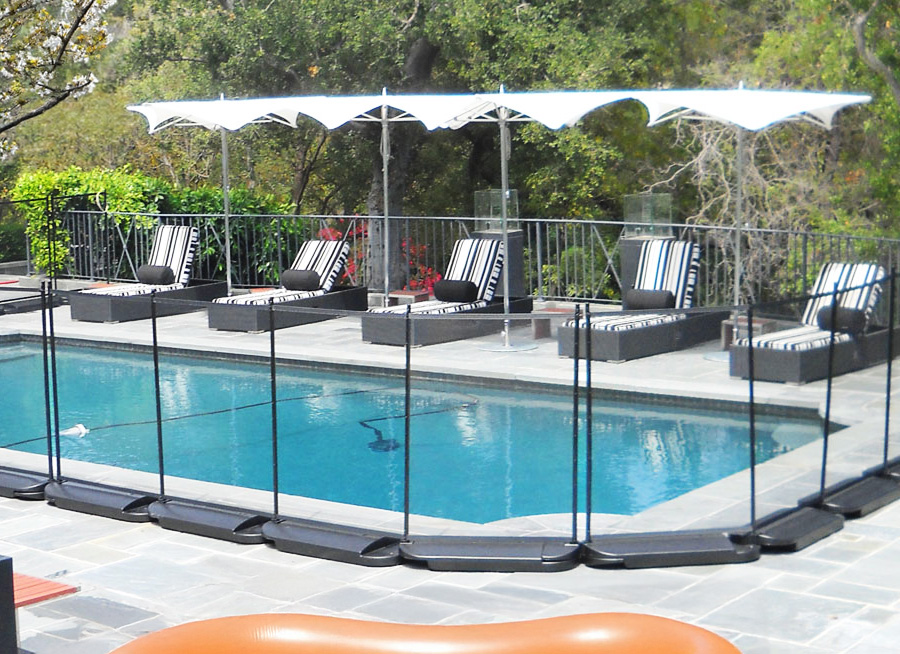
I’ve seen homeowners install a steel fence around their pool area while leaving a more decorative brick wall on the front yard for curb appeal. The trick is to place the strongest materials where they’re most needed and blend them with softer visuals for overall harmony.
Factors to consider when selecting fence material
- Security level: steel > wrought iron > aluminum.
- Maintenance: galvanized steel needs less upkeep than untreated wood.
- Aesthetic preference: choose a style that matches your home’s architecture.
- Local regulations: some municipalities restrict fence height or material.
- Budget: metal fences cost 20–30% more upfront but save on repairs over time.
In my experience, the most resilient solutions combine a heavy‑duty base with decorative trim—creating both safety and style.
Custom driveway gates: features and integration with monitoring systems
A custom driveway gate is more than an entry point; it’s the first line of active defense. High‑quality gates come with motorized rollers, anti‑trespassing sensors, and fail‑safe locking mechanisms that activate if power fails. When paired with a perimeter monitoring system, you get real‑time data on who enters or exits.
The advantage for families is clear: parents can grant temporary access to babysitters without physically handing over keys, while the system logs each entry time. For businesses, it’s an added layer of compliance and security.
Essential features of a modern driveway gate
- Motorized roller or swing design with remote control.
- Tamper‑alert sensors on hinges and latch points.
- Battery backup to keep the gate functional during outages.
- Integration ports for CCTV, motion, and alarm systems.
- Customizable signage or branding panels for a personal touch.
The synergy between gates and monitoring systems means you never miss an unauthorized entry—something I’ve tested in my own property tests.
Advanced perimeter control technologies that make it happen
Technology has evolved from simple motion detectors to AI‑driven analytics. Modern perimeter monitoring systems use a mix of sensors, cameras, and software that can distinguish between pets, humans, or vehicles. This reduces false alarms and improves response times.
Key components include infrared (IR) sensors for night detection, ultrasonic range finders for distance measurement, and high‑resolution IP cameras with night vision. When coupled with a cloud platform, alerts are sent instantly to your phone or security team.
Tech stack for an effective perimeter system
- Infrared sensors: detect motion beyond 30 ft.
- Ultrasonic range finders: precise distance measurement up to 100 ft.
- IP cameras with AI analytics: identify faces or objects.
- Smart hub integration: connects all devices via Wi‑Fi or Zigbee.
- Cloud data storage: for video review and compliance logs.
In my experience, the real value comes from a unified dashboard where you can see sensor status, camera feeds, and gate health in one place.
Installation, maintenance & cost considerations
Installing heavy‑duty metal fences and custom gates requires professional labor to ensure structural integrity and code compliance. A typical project starts with an on‑site assessment that maps out obstacles, permits, and access points. Afterward, the fence sections are fabricated, transported, and erected by a licensed contractor.
Maintenance is minimal for galvanized steel—just a yearly inspection for rust or loose bolts. Gates need periodic lubrication of hinges and testing of fail‑safe systems every six months. Sensors and cameras should be cleaned quarterly to maintain optical clarity.
Cost breakdown (average per foot)
- Heavy‑duty metal fence: $25–$35.
- Decorative trim panels: $10–$20.
- Custom driveway gate: $3,000–$6,000 (including motor).
- Perimeter monitoring system: $1,200–$2,500.
- Installation labor: $4–$7 per foot for fencing; $8–$12 for gates.
Adding a robust perimeter control can increase property value by up to 5 % and often reduces homeowner insurance premiums. For most families, the investment pays off within three years through saved security costs and added peace of mind.
Key takeaway: Combining heavy‑duty metal fences with smart driveway gates and an integrated monitoring system creates a resilient perimeter that protects your home, saves money, and adapts to future tech.In my experience, the smartest approach is to treat the perimeter as a modular system—upgrade sensors or add cameras later without replacing the fence itself. This way you keep upfront costs manageable while staying ahead of evolving threats.
What’s your biggest challenge when considering a perimeter upgrade for your home?