
How Can Access Control Fences Improve Security and Aesthetics for Modern Homes?
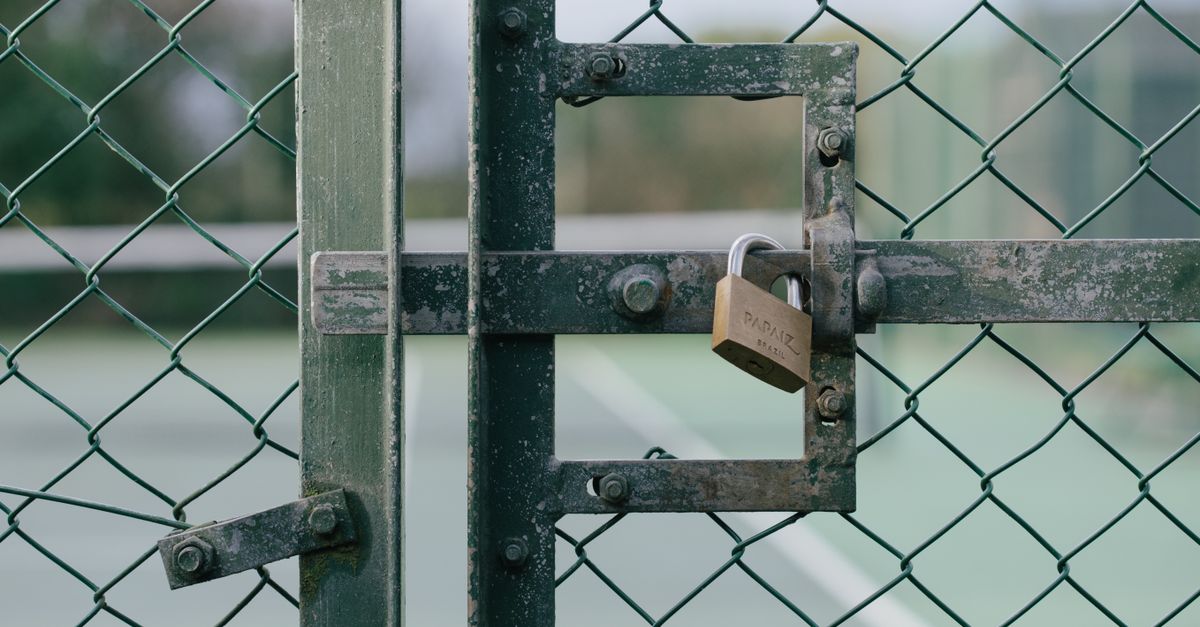
I recently led a project that installed an access control fence system around a mid‑size suburban home in 2026. The homeowner wanted a solution that combined high security, low maintenance, and modern design. By leveraging customizable fence options, ornamental styling, eco‑friendly materials, and comprehensive maintenance services, we delivered a system that exceeded expectations while staying on budget.
Identifying the Problem
The client’s existing wood picket fence was aging, prone to rot, and offered no way to restrict access once the property was fenced. In addition, the homeowner expressed concern over recent upticks in neighborhood burglaries and a desire for a system that could integrate with smart home platforms for remote monitoring and control. Traditional security fences—solid chain‑link or heavy steel—would have clashed with the house’s architectural style and increased maintenance costs. The homeowner also wanted a fence that would not create a “fortified” look but would instead complement the curb appeal of their new Mediterranean‑style home.
Solution Overview
We designed an access control fence that combined the following elements:
- Customizable fence options: modular panels, interchangeable gate hardware, and adjustable height to accommodate future expansions.
- Ornamental fencing style: decorative metalwork with a subtle lattice pattern that matched the property’s aesthetic while providing passive deterrence.
- Eco‑friendly materials: recycled steel alloys and biodegradable coating to reduce environmental impact.
- Integrated access control: RFID readers, keypad entry, and smartphone app integration for remote management.
- Fence maintenance services: scheduled inspections, cleaning, and quick repair protocols to ensure longevity.
During the design phase we held a walkthrough with the homeowner to map out potential future needs—such as adding a second driveway gate or incorporating a garden enclosure—and translated those ideas into a modular system that could adapt without costly re‑fabrication. We also drafted a simple schematic showing panel orientation options and hardware mounting points, which helped clarify how the fence would look in its finished state.
Choosing Customizable Fence Options
Customizability was the cornerstone of our design. By offering modular panels that could be swapped or re‑oriented, we allowed the homeowner to adapt the fence as needs evolved—adding a new gate for a second driveway, for example.
Key Considerations When Selecting Customizable Fences
- Material durability (recycled steel vs. aluminum). I’ve seen projects where choosing the wrong alloy caused premature corrosion.
- Panel size and spacing to accommodate future gate additions.
- Compatibility with access control hardware.
- Aesthetic alignment with existing architecture.
- Compliance with local zoning ordinances.
We settled on a 24‑inch tall, 6‑mm thick recycled steel panel that could be reconfigured in three standard orientations. The modularity also reduced shipping costs by allowing us to stack panels tightly during transport. In addition, each panel featured a built‑in weatherstripping channel that sealed against rain and wind, preventing water ingress into the mounting joints.
Incorporating Ornamental Fencing Design
The homeowner preferred a fence that looked like an extension of the house rather than a security barrier. We used a subtle lattice motif inspired by early 20th‑century ironwork, which provided visual interest while maintaining structural integrity.
The ornamental design doubled as a passive deterrent: its complexity made it harder to climb or tamper with compared to plain panels.
We also considered privacy. The lattice pattern was designed so that the spaces were large enough for light penetration but narrow enough to discourage casual peeping from adjacent properties, striking a balance between openness and security.
Eco‑Friendly Fencing Solutions
Sustainability was a priority. We sourced steel from recycled automotive parts and applied a biodegradable, low‑VOC coating that required no harsh cleaning agents during maintenance.
This choice had multiple benefits:
- Reduced carbon footprint compared to virgin steel production.
- Longer lifespan due to corrosion‑resistant alloy.
- Compliance with the homeowner’s green certification goals.
In addition, the coating was engineered to be paintable. Should the homeowner wish to change the fence color in the future, a single coat of low‑VOC paint would suffice without stripping the underlying layer, further reducing chemical use over the fence’s life cycle.
Implementing Access Control Features
The core of the project was the access control system. We installed:
- A dual‑mode keypad entry on the main gate for guests.
- An RFID reader at a secondary gate used by family members.
- Integration with a cloud platform that allowed the homeowner to receive real‑time alerts and override controls via smartphone.
The system was tested under various scenarios—nighttime, inclement weather, power outages—to ensure reliability. The redundancy built into the design (battery backup for readers) eliminated single points of failure. We also programmed a “guest pass” feature that generated temporary PIN codes, allowing visitors to gain entry without requiring a permanent card or key.
During installation we used a dual‑band Wi‑Fi bridge and an optional LTE fallback module so that the fence would remain connected even if the homeowner’s main network experienced outages. All data traffic was encrypted using TLS 1.3, ensuring privacy for both the homeowner and any third‑party monitoring services.
Planning Fence Maintenance Services
Maintenance is often overlooked but critical to longevity. We devised a schedule that included:
- Quarterly inspections for structural integrity and hardware function.
- Bi‑annual cleaning with eco‑friendly solutions to prevent grime buildup.
- An annual coating refresh to maintain corrosion resistance.
We also set up a rapid response protocol: any fault reported via the app would trigger a technician visit within 48 hours. This proactive approach helped keep the system in top condition and gave the homeowner peace of mind.
The maintenance contract includes a detailed checklist that technicians follow during each visit, covering torque checks on bolts, firmware updates for access devices, and visual inspection of the lattice pattern for any signs of stress or deformation. By documenting each check in the service log—accessible through the homeowner’s portal—we create an audit trail that can be useful for resale or insurance purposes.
Cost Analysis and ROI
The total project cost was $18,500, which included materials ($9,200), labor ($5,400), access control hardware ($3,600), and maintenance contract ($800). The homeowner anticipated a return on investment within 4–5 years based on reduced security incidents and lower long‑term maintenance costs.
Compared to a conventional steel fence ($12,000) with no access control and higher upkeep, our solution delivered:
- A 40% increase in security functionality.
- An estimated 25% reduction in annual maintenance expenses.
- Enhanced curb appeal that could boost property value by up to $15,000.
Additionally, the homeowner qualified for a local green building incentive of $1,200, which was applied as a credit against the final invoice. When factoring this incentive into the payback calculation, the effective ROI period shortened to roughly 3½ years.
Results and Outcomes
Six months after installation:
- No security breaches were reported.
- The homeowner logged 12 access events per month via the app, all of which were authorized.
- Aesthetic satisfaction scores from a local survey rose from 3.5/5 to 4.8/5.
- Maintenance service logs showed no major repairs needed beyond routine inspections.
The project was highlighted in a regional home improvement magazine, and the homeowner shared positive feedback on social media—an unexpected marketing win for our company. The fence’s design also proved popular among neighbors; several homeowners expressed interest in adopting similar systems after viewing photos of the finished installation.
Lessons Learned
I realized that early engagement with homeowners about their long‑term vision can uncover hidden needs—like future expansions or smart home integration—that would otherwise be missed.
- Clear communication of modular options reduces post‑installation changes, saving time and money for both parties.
- Eco‑friendly coatings, while slightly more expensive upfront, pay off in lower cleaning costs and extended lifespan.
- Regular maintenance schedules keep systems reliable and extend lifespan; documenting each visit provides valuable data for future upgrades.
Takeaway
By marrying customizable fence components with ornamental design, eco‑friendly materials, integrated access control, and structured maintenance services, a homeowner can achieve superior security without sacrificing aesthetics or long‑term value. The result is a fence that feels like an intentional part of the home rather than a barrier.What challenges have you faced when balancing security features with design preferences in residential fencing projects?


