
High‑Visibility Security Fences for Residential and Event Use in 2026
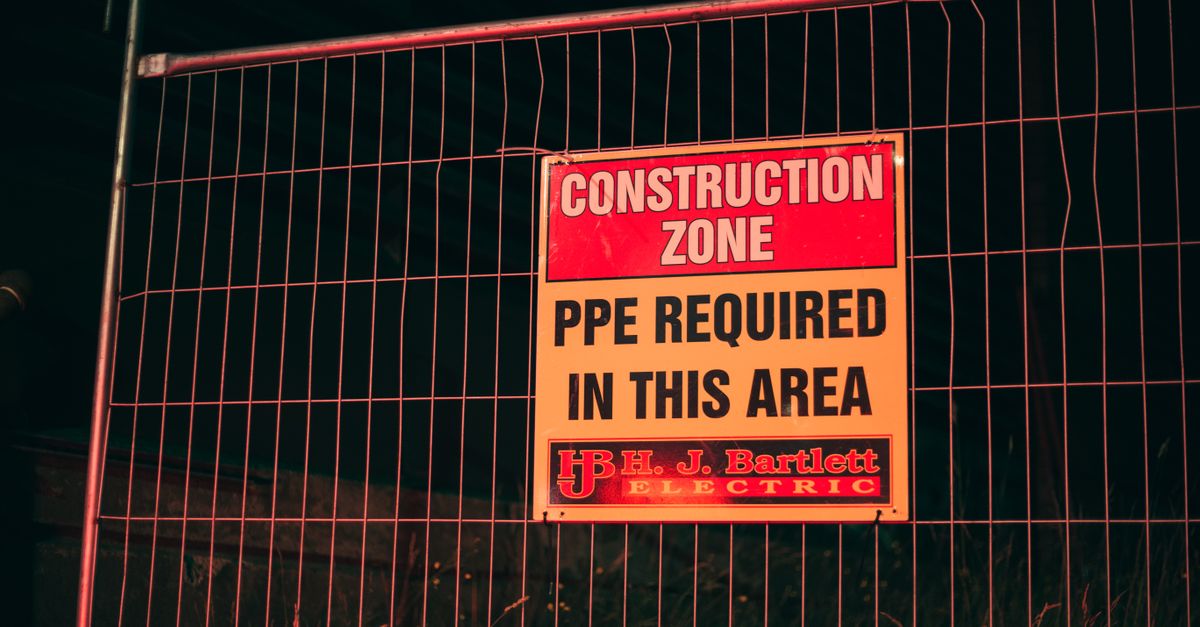
I’ve spent the last decade building businesses that need reliable perimeter security. When a client asked how to protect a new residential development while keeping it visible from surrounding streets, I realized we were missing one clear resource: an FAQ guide on high‑visibility security fences. This article breaks down every practical detail you’ll need—from material selection to cost and compliance—so you can make informed decisions without the marketing fluff.
1. Why High‑Visibility Fences Matter
High‑visibility fencing serves two primary purposes: deterrence and identification. A brightly colored or reflective fence signals that a property is monitored, discouraging trespassing. At events, it delineates safe zones quickly for staff and attendees.
Key benefits of high‑visibility fences
- Immediate visual cue to potential intruders or event guests.
- Enhanced safety by preventing accidental entry into hazardous areas.
- Compliance with local fire and safety codes that often require clear perimeter markings.
- Improved brand image for events, showing professionalism.
The combination of deterrence and clarity is why most new developments now pair a solid structural fence with high‑visibility panels or paint. Properties that adopt this dual approach typically see a noticeable drop in vandalism and make incident locations easier to identify during emergencies. Bright colors create an ownership feel; reflective coatings keep the fence visible at night without extra lighting.
2. Selecting Materials and Design Options
The most common options for high‑visibility fencing are galvanized steel, aluminum, and composite panels—all finished with bright paint or reflective coatings.
Factors to weigh when picking a fence material
- Durability: Galvanized steel resists rust; aluminum is lighter and corrosion‑resistant.
- Cost per foot: Aluminum typically 20% cheaper than steel; composites fall between.
- Maintenance: All require periodic cleaning; composites need less repainting.
- Aesthetic flexibility: Composite panels can mimic wood or stone while still allowing bright colors.
Finish choice is critical. Acrylic paints resist UV but may chip under impact; epoxy coatings offer superior abrasion resistance for high‑traffic areas such as event entrances. Reflective paints scatter light in multiple directions, boosting nighttime visibility by up to 30% compared with plain paint.
Choose between continuous panels for maximum security or spaced posts with decorative lattice for a more open feel. For events, modular panels that snap together are ideal because they can be reconfigured on the fly. Interlocking systems lock panels in place without screws, reducing installation time and minimizing gaps.
3. Installation Process and Timeline
The installation of a high‑visibility fence follows these steps: site survey, foundation work, post placement, panel mounting, and final finishing. Each step must consider local soil conditions and drainage to prevent settling or corrosion.
Typical timeline for residential vs. event fencing
- Residential: 2–3 weeks from order to completion, assuming no major obstructions.
- Event: 3–5 days of on‑site assembly; panels can be stored and reused afterward.
- Custom features (e.g., integrated lighting): Add an extra week for wiring and testing.
The first phase is a comprehensive site survey. Accurate perimeter measurement, obstacle mapping, and soil test results inform foundation depth—whether concrete footings or screw piles are required. In high water‑table areas, installing drainage channels alongside the fence keeps moisture out of post cavities.
Temporary event fences use lightweight stakes or quick‑set footings for rapid deployment while still providing a stable base. Modular panels come with pre‑drilled holes and locking tabs that fit over these anchors without additional fasteners, speeding up installation and easing removal after the event.
I’ve overseen both full‑scale residential projects and rapid event setups. The key to staying on schedule is batching orders—buy all panels in one shipment—to avoid manufacturer backlogs. Coordinating with local permitting offices ahead of time ensures you have the necessary approvals for permanent posts or temporary structures.
4. Cost Breakdown and Return on Investment
Pricing varies widely based on material, height, length, and finish. Below is a rough cost estimate per linear foot for common configurations:
Estimated price ranges (2026 USD)
- Galvanized steel with bright paint: $25–$35/ft
- Aluminum with reflective coating: $20–$28/ft
- Composite panels (pre‑painted): $18–$26/ft
- Modular event panels: $15–$22/ft
Add foundation prep ($5–$10/ft) and labor ($30–$50/hr). For a 500‑foot residential fence, the total project cost typically falls between $18,000 and $28,000. Integrated lighting or custom signage adds about 10% for electrical work.
Return on investment is measured in reduced security incidents, lower insurance premiums, and increased property value. Homeowners who install high‑visibility fencing often see a property value increase of around 4% within two years—enough to offset the upfront expense. Insurance companies also offer discounts for visible perimeter barriers, further improving the financial equation.
5. Maintenance, Longevity, and Safety
A well‑maintained fence keeps its visibility and structural integrity intact. Routine tasks include cleaning, repainting or recoating every 3–5 years, and inspecting posts for corrosion.
Maintenance checklist
- Monthly: Sweep debris; check loose screws.
- Quarterly: Inspect anchoring; tighten bolts if needed.
- Annually: Test paint adhesion; touch up faded sections.
- Every 3–5 years: Full repaint or recoat cycle.
Event fences follow the same principles on a smaller scale. After each event, clean panels with mild detergent and store them dry to prevent mildew. If panels stay outdoors for extended periods—such as during prolonged festivals—apply a quick‑dry protective spray to reduce surface corrosion.
Winter weather accelerates wear; salt or de‑icing liquids may corrode exposed joints if not cleaned promptly. Coastal areas demand more frequent inspections of paint and coatings due to high humidity and salt spray. Composite panels, while moisture‑resistant, can develop small cracks from freeze–thaw cycles—spot repairs keep them fresh.
6. Compliance and Regulations for Events
Many municipalities mandate specific fencing standards for public gatherings—especially those involving fireworks or heavy equipment. Key compliance points include:
- Height restrictions: Most cities limit permanent fences to 8–10 feet.
- Fire safety: Panels must be fire‑rated if the event includes open flames.
- Accessibility: Provide at least one 36‑inch wide gap in perimeter fencing for wheelchair access.
- Lighting requirements: For night events, ensure the fence is illuminated to meet visibility standards.
Many jurisdictions also require a permit that verifies compliance with fire codes, ADA guidelines, and local zoning ordinances. When designing an event perimeter, consult with the city planning office early; they can provide checklists tailored to your specific location and event type. A common oversight is assuming temporary fencing automatically satisfies all regulations—temporary structures still need to meet fire resistance ratings if fireworks or open grills are planned.
Documentation matters: keep a copy of the permit, inspection reports, and any certifications for fire‑rated panels. This record protects you from fines and simplifies insurance claims should an incident occur.
Frequently Asked Questions
- Can I use a standard wooden fence instead of high‑visibility metal? Wooden fences can be painted bright, but they require more maintenance and are less durable in harsh weather.
- Do high‑visibility fences increase security against burglary? Yes—bright colors deter intruders by making the perimeter obvious and monitored.
- What color options are available for event fencing? Common choices include neon green, orange, or reflective white; many manufacturers offer custom palettes.
- How long does a high‑visibility fence last before needing replacement? With proper maintenance, metal fences can outlast 15–20 years; composites may need replacement after 10–12 years.


