
Custom wrought iron gates in Philadelphia, PA
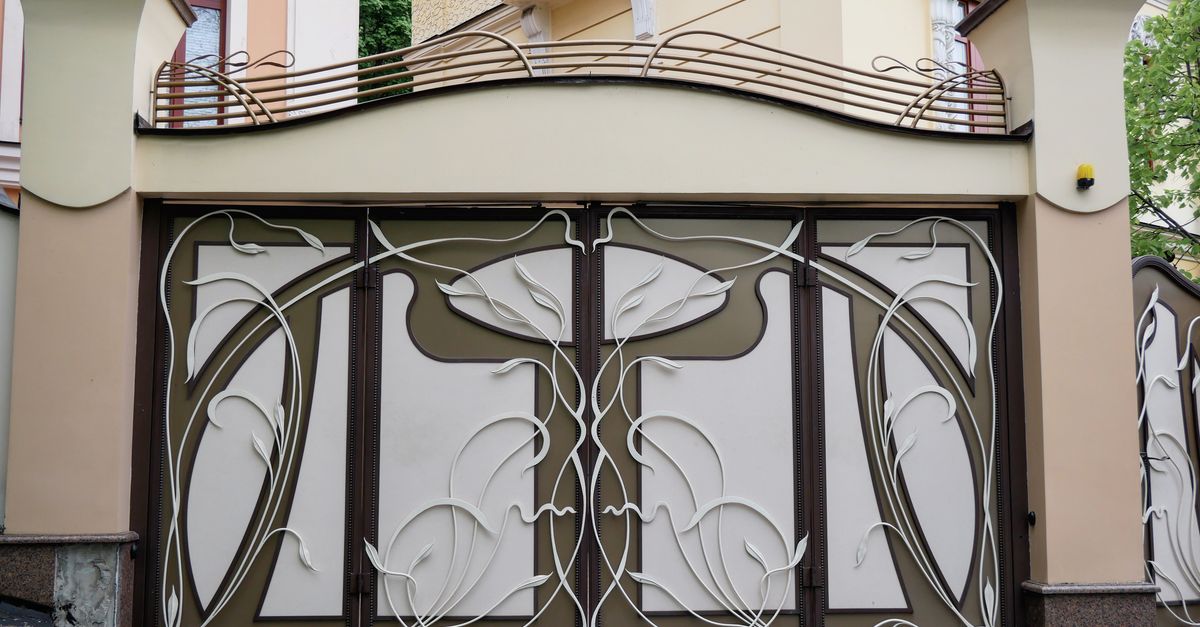
When a family buys a home with a pool in the Philadelphia area, safety is at the forefront of their mind. A well‑designed custom wrought iron gate can act as both an aesthetic statement and a robust barrier that keeps children, pets and curious neighbors out while allowing you to enjoy your backyard oasis.
Why Custom Wrought Iron Gates Matter for Pool Safety
The first thing I notice about any home with a pool is the gap between the water and the surrounding property. Without an effective fence or gate, that gap becomes a hazard. In Philadelphia, local ordinances require a minimum height of 4 feet 6 inches for pool fencing. A custom wrought iron gate not only meets but often exceeds these regulations by offering additional structural integrity.
Beyond compliance, wrought iron provides superior durability compared to vinyl or chain link options. Its tensile strength resists forced entry and can survive the corrosive effects of chlorine, saltwater, and outdoor weather when properly treated. The result is a gate that remains secure for decades with minimal upkeep. Additionally, a thoughtfully placed gate can harmonize with your landscape design—blending natural foliage or decorative lighting to create a seamless transition between indoor comfort and outdoor recreation.
Features & Benefits of Custom Wrought Iron Gates
When you choose a custom wrought iron gate, you’re selecting a product tailored to your exact needs. Below are the primary benefits:
Key Advantages
- Custom Height and Width: Adjust dimensions for specific pool shapes and yard layouts.
- Design Flexibility: Incorporate scrollwork, filigree, or modern geometric patterns to match your home’s architecture.
- Security Enhancements: Heavy‑duty hinges, lock systems, and anti‑climb bars add layers of protection.
- Aesthetic Appeal: Wrought iron can be painted or left patinated for a rustic look that ages gracefully.
- Low Maintenance: With proper powder coating or sealant, the gate resists rust and requires only occasional cleaning.
Additional practical advantages include resistance to fire hazards, the ability to incorporate smart lock technology for keyless entry, and a timeless visual appeal that can increase property value. Each of these features contributes to a safer, more elegant backyard environment.
When to Hire a Pool Security Fence Contractor in Philadelphia
Deciding when to install your gate can affect both safety and cost. Consider these timing factors:
Timing Factors for Installation
- Seasonal Planning: Winter weather delays construction; aim for late spring or early summer.
- Legal Deadlines: Some neighborhoods enforce a 30‑day window after property purchase to install fencing.
- Budget Cycles: Home improvement budgets often peak in the fall; plan accordingly if you need to spread costs.
- Insurance Requirements: Many insurers now require documented safety measures before issuing a policy for pools.
If you’re unsure about timelines or regulations, reach out early. A local contractor can assess your property and provide guidance that aligns with Philadelphia zoning codes. Early planning also allows you to secure the best seasonal labor rates and material pricing, potentially saving several hundred dollars on a project that could otherwise cost more.
Design Options and Customization
Wrought iron gates can be as simple or as elaborate as you wish. Below are common design motifs used by homeowners in the area:
Popular Design Themes
- Classic Florals: Intricate vines and petals that echo historic Philadelphia homes.
- Industrial Minimalism: Clean lines, geometric shapes for modern condos.
- Art Deco Influences: Bold angles and symmetrical patterns inspired by the city's early 20th‑century architecture.
- Custom Logos or Monograms: Personalize your gate with family initials or a meaningful symbol.
When selecting a design, keep in mind that more elaborate patterns may increase labor time and cost. However, they often become focal points for the entire yard. Many contractors offer a design consultation where you can view 3‑D renderings of your gate before fabrication begins, ensuring every detail—from the placement of ornamental bars to the finish color—matches your vision.
Installation Process Overview
The installation of a custom wrought iron gate typically follows these steps:
Step‑by‑Step Installation
- Site Survey: Measure the opening, assess soil conditions, and determine foundation depth.
- Permit Acquisition: Obtain necessary city permits for structural work.
- Fabrication: The gate is cut, welded, and finished in a controlled workshop environment.
- Transportation & Setup: The finished gate is delivered to your property and positioned accurately.
- Anchoring & Finishing: Concrete footings are poured, hinges installed, and final adjustments made for smooth operation.
Most contractors schedule a single‑day installation once the site is ready. However, the overall project—including design approval and fabrication—can take 4 to 6 weeks. During the on-site phase, technicians also test all moving parts, verify lock integrity, and perform a walk‑through with you to confirm satisfaction before signing off.
Maintenance & Longevity
Wrought iron’s lifespan depends largely on the protective measures you take. Here are best practices to keep your gate looking new:
- Annual Inspection: Check for loose bolts, paint chipping, or rust spots.
- Re‑coating: Every 5–7 years, apply a fresh powder coat or marine sealant to prevent corrosion.
- Cleaning Routine: Wipe with mild detergent and water; avoid harsh chemicals that strip protective layers.
- Lock Maintenance: Lubricate hinges and lock mechanisms quarterly to ensure smooth operation.
With these steps, a wrought iron gate can last for generations—much longer than many alternative materials. Many homeowners also choose to install a subtle lighting system around the gate, which not only enhances safety at night but also highlights its craftsmanship during evening gatherings.
Common Mistakes to Avoid
When installing a custom gate, homeowners often overlook these pitfalls:
- Ignoring Local Codes: Not meeting the 4‑foot‑6‑inch height requirement can lead to fines.
- Choosing an Inexperienced Vendor: Poor craftsmanship compromises security and longevity.
- Skipping Proper Anchoring: Without deep concrete footings, a gate may buckle under force.
- Overlooking Accessibility Features: For families with mobility needs, include a compliant opening width.
A well‑planned project reduces these risks and ensures you get the safest gate possible. In addition, verifying that the contractor uses high‑quality hardware—such as stainless‑steel hinges and tamper‑resistant locks—provides an extra layer of confidence in your investment.
Choosing the Right Vendor: What to Look For
Finding a reputable contractor in Philadelphia is critical. Evaluate potential vendors on these criteria:
- Portfolio of Completed Projects: Look for diverse styles and evidence of quality.
- Licensing & Insurance: Verify state licensing, liability insurance, and worker’s comp coverage.
- Transparent Pricing: Ask for detailed estimates that break down fabrication, labor, and permits.
- Warranty Offerings: A solid warranty on both material and workmanship indicates confidence in the product.
Ask for references from recent clients—especially those who had similar pool fencing needs—to gauge satisfaction levels. Many seasoned contractors also provide a maintenance guide that details how to care for your gate over time, which can be an invaluable resource when you first install it.
Case Study: A Philadelphia Homeowner's Experience
In my experience, I worked with a family in West Philadelphia who wanted a gate that matched their historic brownstone. They chose a custom wrought iron design featuring subtle scrollwork and a dark bronze finish. The contractor delivered the gate on schedule, and after installation, the family reported feeling significantly safer while still enjoying the open feel of their backyard.The homeowner noted that the gate’s heavy hinges prevented any attempt to force it open, and the annual maintenance routine was straightforward enough not to become a chore. This case illustrates how a well‑executed custom gate can blend safety with style seamlessly. Additionally, the family appreciated the option to add discreet LED strip lighting—installed during the final installation—to showcase the ornate detailing at night without compromising security.
FAQ: Quick Answers for Homeowners
Q: How long does a custom wrought iron gate take to fabricate?
A: Typically 3–4 weeks from design approval.
Q: Can I paint my gate in any color?
A: Yes, but choose marine‑grade paint or powder coating for durability.
Q: Are there special permits required?
A: Philadelphia requires a building permit and compliance with the 4‑foot‑6‑inch height rule.
Q: What is the average cost range for a custom wrought iron gate in Philadelphia?
A: Prices vary based on size, design complexity, and finish, but typical ranges fall between $3,000 and $7,500 for most residential applications.
Q: Can the gate be moved if I need to relocate my pool later?
A: While wrought iron gates are sturdy, relocating them involves re‑anchoring footings and may require additional labor. Discuss this with your contractor beforehand if future relocation is a possibility.
When you’re ready to secure your backyard while adding a touch of elegance, consider hiring a local expert who specializes in custom wrought iron gates. Their expertise ensures that the final installation meets both regulatory standards and your personal design vision.
What specific features do you prioritize when selecting a gate for your pool—height, lock type, or aesthetic detail?


