
Choosing the Right Steel Security Fence in 2026: A Practical Guide
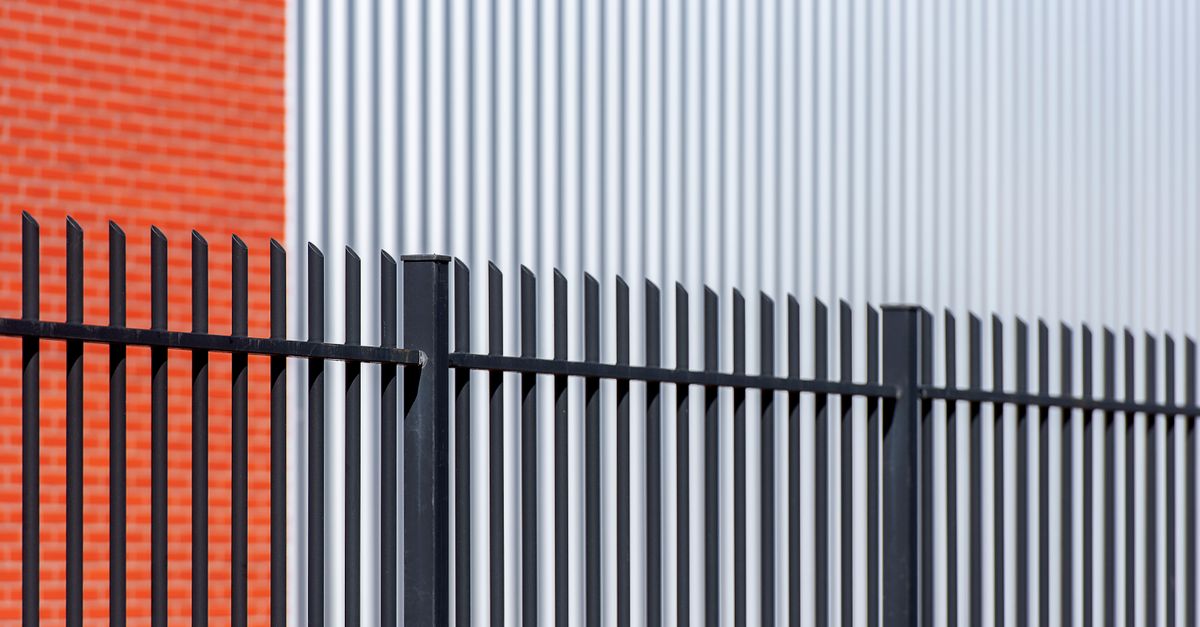
When you’re deciding how to protect your home or business, a steel security fence is often the first line of defense. It offers durability, low maintenance, and a deterrent effect that other materials can’t match. In this guide I break down the key factors to consider—from material options to installation techniques—so you can make an informed decision without falling into common pitfalls.
1. Understand Your Core Protection Needs
The first step is identifying what you need protection against: burglary, vandalism, wildlife intrusion, or a combination of threats. Once you know that, you can match the fence’s specifications accordingly.
Top Questions to Ask Yourself:
- Is theft my primary concern?
- Do I need a barrier against animals like deer or dogs?
- Will the fence be part of a larger security system?
- What is the topography of the property—steep slopes, uneven ground?
Answering these questions narrows down the type and height of steel you’ll need. For example, if your main worry is preventing small animals from entering a backyard, a lower fence with fine mesh may suffice; for commercial premises where high-value equipment is stored, an eight‑foot barrier with barbed wire overlay will provide a stronger deterrent.
2. Material Choices: Steel vs. Alternatives
Steel is the standard for high‑security applications because it resists cutting tools, corrosion (when properly coated), and physical impact. However, other materials can complement or replace steel in specific scenarios.
Common Materials & Their Uses:
- Galvanized Steel: Ideal for outdoor use; offers rust resistance without high cost.
- Stainless Steel: Premium option with superior corrosion resistance, suitable for coastal or highly humid environments.
- Aluminum: Lighter but less strong; good for low‑security or decorative purposes.
- Vinyl Privacy Fence: Provides privacy and aesthetic appeal but lacks the structural strength of steel for high security.
- Composite Materials: Blend wood fibers with plastic, offering a balance between natural look and durability.
If you’re looking for maximum security, galvanized or stainless steel is the way to go. For budget projects where privacy matters more than brute force protection, vinyl can be a viable supplement. Keep in mind that even within steel options, different coatings—such as epoxy paint or powder finish—can significantly extend lifespan by mitigating corrosion.
3. Fence Height & Design Matters
A 6‑foot steel fence is a common baseline for residential properties. Commercial sites may require 8–10 feet or higher for added deterrence.
Design Considerations:
- Post Spacing: Standard spacing ranges from 8 to 12 feet; closer spacing enhances structural integrity.
- Profile Style: Classic picket, barbed wire reinforcement, or a smooth lattice can alter both appearance and security level.
- Top Bar Placement: A horizontal top bar at the fence’s peak prevents climbing.
- Base Anchoring: Proper anchoring into concrete or deep post casings is essential for stability against forced entry.
Balancing height with local regulations and aesthetics ensures compliance while maintaining security. In many municipalities, a residential fence cannot exceed 7 feet unless special permits are obtained; check your city’s ordinances before finalizing the design.
4. Reinforcement Solutions: Adding Extra Layers of Defense
Steel fences can be strengthened in several ways to deter cutting or climbing attempts.
Reinforcement Techniques:
- Barbed Wire Overlay: Adds a painful deterrent for intruders. When installed over the top rail, it prevents both climbing and sliding along the fence.
- Mesh Inserts: Fine mesh within the lattice prevents small tools from gaining traction.
- Cable or Rope Strapping: Secures panels to posts, reducing potential weak points.
- Embedded Anchors: Steel rods that extend into the ground for added resistance.
- Composite Panels: Combining steel with polymer layers can increase rigidity while maintaining weight efficiency.
Choosing the right reinforcement depends on threat assessment and budget. For example, a commercial warehouse might benefit from both barbed wire and embedded anchors, whereas a suburban driveway may only need mesh inserts to keep small animals out.
5. Solar‑Powered Fence Gates: Automation Meets Sustainability
Integrating a solar gate system eliminates the need for external power sources and reduces long‑term maintenance costs.
Key Features to Evaluate:
- Panel Size & Capacity: Must match the gate’s dimensions and expected load.
- Battery Life: Look for a battery that can run 24/7 during low‑sunlight periods.
- Remote Control Options: Mobile app, RFID cards, or keypad entry.
- Security Protocols: Auto‑lock on power loss and tamper alerts.
- Installation Simplicity: Prefabricated kits reduce labor time.
A typical solar gate kit includes a 100‑watt panel, a rechargeable battery rated for at least two months of backup, and an integrated motor capable of handling up to a 400‑pound load. When paired with a smart home hub, you can receive real‑time notifications if the gate fails to close or if unauthorized access is attempted.
6. Installation: DIY vs. Professional Services
While some homeowners opt for a DIY approach, professional installation ensures compliance with local codes and optimal performance.
When to Hire Professionals:
- Complex Terrain: Sloped or uneven land requires specialized equipment.
- Large Scale Projects: Commercial installations often exceed the scope of a DIY kit.
- Code Compliance: Local regulations may mandate professional certification.
- Custom Features: Integrating solar gates or advanced reinforcement typically needs expert handling.
If you’re comfortable with heavy lifting and have access to proper tools, a DIY kit can cut costs. However, for most installations, the time saved by professionals outweighs the upfront expense. A typical professional crew will bring excavation equipment, concrete mixers, and licensed electricians if solar components are involved.
7. Maintenance & Longevity Tips
A steel fence’s lifespan is largely determined by its upkeep. Proper care extends life expectancy and preserves security integrity.
Maintenance Checklist:
- Regular Inspection: Check for rust, loose bolts, or damaged panels every 6–12 months.
- Cleaning Protocol: Use mild soap and water; avoid harsh chemicals that can degrade protective coatings.
- Reapply Coatings: Every 3–5 years depending on exposure to elements.
- Check Gate Mechanisms: Lubricate moving parts annually to prevent jamming.
- Repair Promptly: Address cracks or dents immediately to avoid structural compromise.
In humid climates, a yearly coating touch‑up can extend the fence’s life by 20%. In drier regions, focus on preventing dust buildup that may trap moisture against steel surfaces. A well‑maintained fence not only stays secure but also retains its curb appeal for years.
8. Cost Breakdown: What to Expect
The cost of a steel security fence varies based on material, height, reinforcement, and installation method.
Typical Price Ranges (2026):
- Steel Panels (Galvanized): $30–$50 per linear foot.
- Stainless Steel Panels: $60–$90 per linear foot.
- Reinforcement Add‑Ons: $5–$15 extra per foot.
- Solar Gate System: $1,200–$3,000 plus installation fees.
- Professional Installation: 10–20% of total material cost.
A realistic budget also includes permit fees (often ranging from $50 to $500 depending on jurisdiction) and contingency for unforeseen site adjustments. Setting aside at least a 25% contingency protects you against rising labor costs or unexpected ground conditions that require deeper post casings.
9. Common Mistakes to Avoid
Even seasoned installers can slip into costly errors. Being aware helps you steer clear.
Top Pitfalls:
- Underestimating Post Depth: Shallow posts can buckle under force.
- Ignoring Local Codes: Fines and forced removal are common for non‑compliant fences.
- Skipping Ground Treatment: Soil erosion can undermine fence stability.
- Overlooking Gate Placement: Poorly positioned gates create weak points.
- Neglecting Future Expansion: Plan for potential additions like solar panels or extra posts.
A thorough plan mitigates these risks and protects your investment. For instance, installing a gate in the center of a 12‑foot fence reduces the number of posts needed while still providing an accessible entry point.
10. Making the Final Decision: A Checklist
Compile all information into a single decision matrix to compare options objectively.
Your Decision Matrix:
- Identify primary threat level (low, medium, high).
- Select material based on environment and budget.
- Determine fence height and reinforcement needs.
- Choose gate type and assess power source requirements.
- Decide between DIY or professional installation.
- Create a maintenance schedule and cost projection.
- Verify local code compliance before ordering.
- Order samples to test durability if possible.
- Finalize contractor quotes with clear scope of work.
- Schedule post‑installation inspection within 30 days.
In my experience, the most common oversight is underestimating the importance of post depth. I once installed a 6‑foot steel fence with only 18 inches of concrete footing on a sloping yard; the posts bowed after just two months of wind pressure. Adding an extra foot of concrete cured that issue and extended the fence’s life by several years.
What specific security concern drives your choice of fence material, and how do you plan to address maintenance over time?


