
Choosing the Right Heavy‑Duty Fencing for Security and Durability
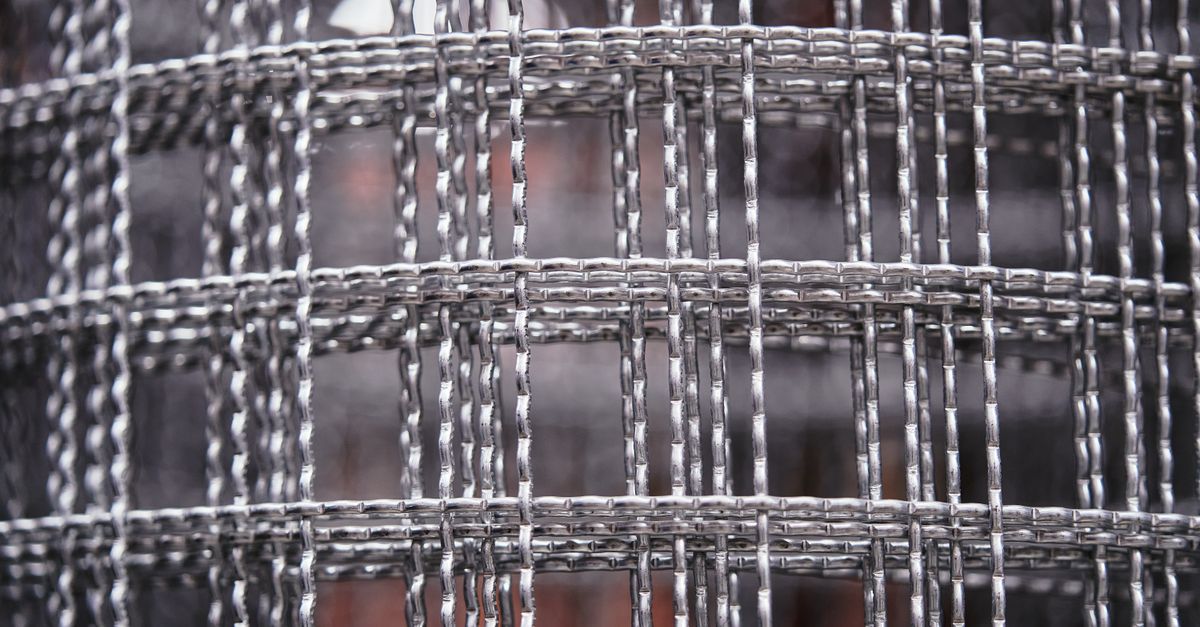
When you’re looking to secure a property, protect livestock, or simply create a boundary that can stand up to weather and tampering, heavy‑duty fencing is often the first thing on your mind. But “heavy‑duty” covers a wide spectrum of materials and designs. In this guide, I’ll walk through key factors—anti‑climb features, eco‑friendly options, chain‑link basics, and quick repair strategies—to help you make an informed decision that balances cost, performance, and sustainability.
1. Understanding Heavy‑Duty Fencing Types
Heavy‑duty fencing isn’t a single product; it’s a category defined by strength, durability, and the level of security required. Common heavy‑duty options include welded steel panels, galvanized chain link with reinforced posts, and high‑strength polymer barriers. Each type offers distinct advantages:
Common Heavy‑Duty Materials
- Welded Steel Panels – Ideal for commercial or industrial sites; provide a seamless barrier.
- Galvanized Chain Link with Reinforced Posts – Versatile, cost‑effective, and easy to retrofit.
- High‑Strength Polymers – Lightweight yet durable, often used in modern eco‑friendly solutions.
- Composite Materials – Blend of metal and resin for added resistance to corrosion.
The choice depends on your site’s exposure to physical threats, environmental conditions, and budget. For example, a farm with roaming cattle may benefit from welded panels that prevent animals from pushing through, while a corporate campus might favor chain link with anti‑climb features for cost efficiency.
2. Anti‑Climb Features to Consider
Security fences must deter climbing attempts. Anti‑climb fencing typically incorporates:
Anti‑Climb Design Elements
- V‑Shape or Zigzag Patterns – Disrupt the natural grip of climbers.
- Higher Profile Mesh – Reduces handhold opportunities.
- Integrated Anti‑Climb Bars – Thin steel strips that break a climber’s footing.
- Post Design – Tapered or reinforced posts make it harder to scale from the base.
When evaluating anti‑climb options, test for both mechanical resistance and visual deterrence. A fence may look secure but can still be scaled with a ladder unless its design genuinely limits access points. Some installers offer a “climber test” during construction, where an employee attempts to climb the newly installed fence to verify that all gaps are closed and no footholds remain.
3. Eco‑Friendly Fencing Solutions
Sustainability is no longer optional in fencing. Eco‑friendly solutions focus on material life cycle, recyclability, and low environmental impact during manufacturing and installation.
Eco‑Friendly Materials & Practices
- Recycled Steel or Aluminum – Reduces virgin metal extraction.
- Biodegradable Polymers – Decompose with minimal residue.
- Low‑VOC Coatings – Minimize off‑gassing during application.
- Design for Disassembly – Enables reuse or recycling at end of life.
- Local Sourcing – Cuts transportation emissions.
In my experience, choosing a fence that can be disassembled and repurposed often saves both money and landfill space in the long run. It’s a win‑win when you’re balancing security with stewardship. For example, recycled steel panels can be melted down and re‑used in future projects without compromising structural integrity.
4. Chain‑Link Fence Basics and Quick Repairs
Chain link remains one of the most popular choices for heavy‑duty fencing because it offers a good balance between visibility, cost, and structural integrity. Understanding its components helps streamline repairs when damage occurs.
Key Components to Inspect Regularly
- Post Integrity – Check for rust or cracking.
- Mesh Tightness – Loose links can compromise security.
- Tension Rods – Ensure they remain snug; replace if bent.
- Gates and Access Points – Secure hinges and locks are critical.
Quick fence repairs typically involve replacing damaged posts, tightening or replacing sagging mesh, and securing any compromised fasteners. A small toolkit—wrenches, screwdrivers, a chain‑link cutter—can handle most routine fixes within an hour. If the damage is extensive, it’s wise to replace the entire section with new panels that match the existing material grade.
5. Cost vs. Value Analysis
Price is often the first metric in decision making, but long‑term value matters more for heavy‑duty fencing. When comparing options:
Factors to Quantify Cost vs. Value
- Installation Time – Faster installs reduce labor costs.
- Maintenance Frequency – Lower upkeep translates to savings.
- Lifespan Expectancy – A 20‑year warranty can offset higher upfront costs.
- Resale or Reuse Potential – Materials that can be repurposed add hidden value.
- Insurance Impact – Robust fencing may lower liability premiums.
A common mistake is to pick the cheapest option without factoring in repair and maintenance costs. I’ve seen projects where a low‑cost chain link required frequent replacements, ultimately costing more than a higher‑priced but durable panel system. For instance, installing welded steel panels might cost 25% more upfront, but over ten years you could save up to 40% when accounting for fewer repairs and lower insurance rates.
6. Installation Tips and Common Mistakes
Proper installation ensures your heavy‑duty fence performs as intended. Below are practical steps and pitfalls to avoid:
Installation Checklist
- Site Survey – Map out obstacles, slope, and soil conditions.
- Post Placement– Space posts 8–12 feet apart for optimal stability.
- Ground Anchoring– Use concrete footings or post anchors for heavy loads.
- Mesh Orientation– Align links to face outward; reduces wind load stress.
- Secure Gates Early– Install hinges and locks before final tensioning.
- Drainage Considerations– Ensure water does not pool behind the fence, which could weaken post foundations over time.
- Compliance with Local Codes– Verify height restrictions and setback requirements to avoid legal complications.
A frequent error is under‑spacing posts, which leads to sagging and reduced anti‑climb effectiveness. Also, neglecting proper anchoring in high‑wind areas can cause the fence to shift or collapse over time. Taking the time to follow a thorough checklist pays dividends in durability and safety.
7. Maintenance for Longevity
Once installed, a heavy‑duty fence is not a set‑and‑forget item. Regular maintenance prolongs lifespan and preserves security features.
Maintenance Routine
- Quarterly Inspections– Look for rust, loose links, or shifted posts.
- Annual Repainting– Apply fresh protective coating to prevent corrosion.
- Seasonal Checks– Inspect after storms or heavy snowfall for damage.
- Gate Functionality– Lubricate hinges and tighten bolts annually.
- Tightening Tension Rods– Adjust to maintain mesh integrity.
- Rust Prevention Treatments– Use rust inhibitors or epoxy coatings on exposed metal surfaces before repainting.
Applying a high‑quality powder coating can extend the life of steel posts by up to 30% compared with standard paint. When repainting, always clean the surface with a wire brush and apply a primer suited for galvanized metal; this step dramatically reduces future corrosion risks. In my experience, fences that receive systematic care outlast those that are only patched when broken. A proactive approach saves you from costly replacements down the line.
8. Choosing the Right Contractor
The final decision often comes down to who installs and maintains your fence. Look for contractors with:
Contractor Qualities
- Certified Installers– Verify credentials related to heavy‑duty fencing.
- Warranty Coverage– Ensure they offer post‑installation support.
- Local Reputation– Read reviews from similar projects in your area.
- Material Sourcing Transparency– Ask about their supply chain and eco‑friendly practices.
- After‑Sales Service– Availability for quick repairs and maintenance advice.
- Reference Projects– Request case studies or references that demonstrate experience with fences similar to yours.
Choosing a contractor who aligns with your security, environmental, and budget goals creates peace of mind. A solid partnership can also mean better pricing on future upgrades or replacements. Many reputable firms offer a free site assessment and maintenance plan proposal, which can help you compare long‑term costs more accurately.
Key takeaway: Heavy‑duty fencing isn’t just about buying the toughest material—it’s about selecting the right combination of design, anti‑climb features, eco‑friendly options, and maintenance strategy to protect your assets over time. What specific security concerns do you have when choosing a fence for your property?


