
Choosing and Installing Secure Entrance Gates: A Practical Guide
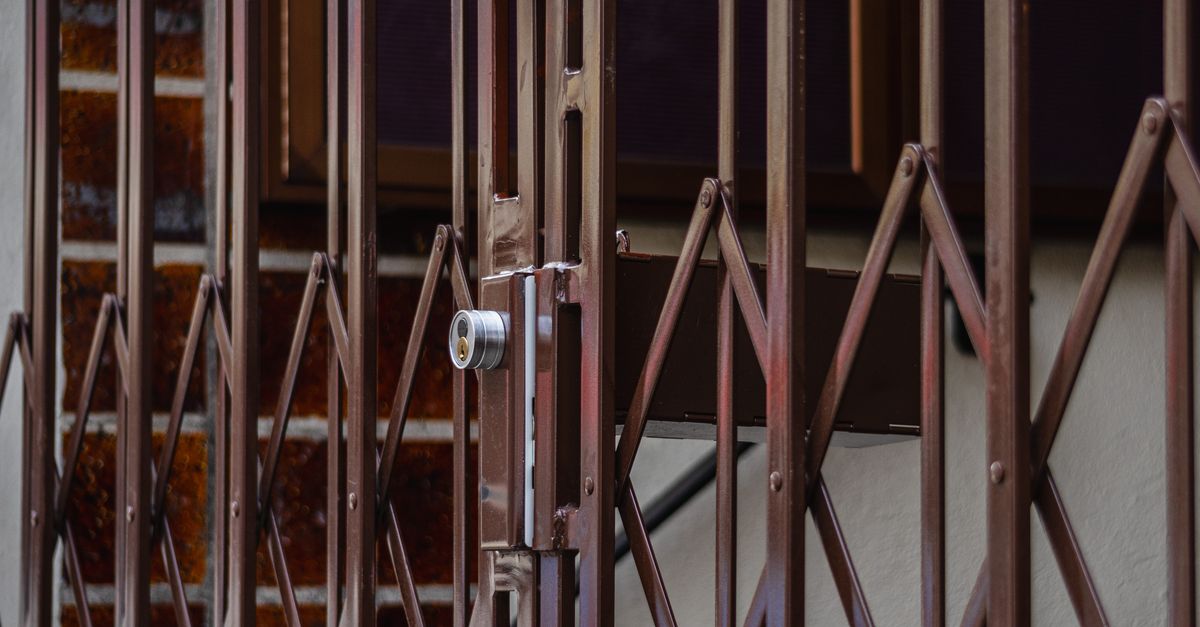
When a property’s perimeter is compromised, the first line of defense is often its entrance gate. Whether you’re safeguarding a residential compound, a commercial facility, or an industrial site, selecting a reliable secure entrance gate can prevent unauthorized access and protect assets.
1. Why Secure Entrance Gates Matter for Modern Properties
Security breaches often begin at the perimeter. A well‑designed gate deters intruders, provides controlled entry points, and communicates a clear message of vigilance to visitors. In 2026, many businesses are also integrating smart access controls—card readers, biometric scanners, or mobile credentials—into their gates for seamless, secure operation.
Beyond safety, the right gate can improve traffic flow, reduce liability risks, and increase property value. It’s a foundational component that works in tandem with fencing, lighting, and surveillance systems to create a layered security strategy.
Perimeter Security as a First Layer
Gates are often the first physical obstacle an intruder encounters. By presenting a visible barrier, they raise the effort required for unauthorized entry and give law enforcement time to respond if a breach occurs.
Smart Integration Benefits
Integrating access control into the gate allows real‑time monitoring, audit trails of who entered and when, and remote locking capabilities. This is especially useful for facilities that require shift changes or need to restrict access during off‑hours without deploying security staff on site.
2. Types of Gates and How to Choose the Best Fit
When evaluating gate options, consider the level of automation, material durability, and the specific access needs of your property.
Automatic vs Manual Gates
- Automatic: Powered by electric motors or hydraulics; ideal for high‑traffic areas where quick opening is essential. They often include safety sensors that stop motion if an obstruction is detected.
- Manual: Hand‑operated hinges or sliding mechanisms; cost effective and suitable for low‑volume sites. Manual gates can still be upgraded later with a simple motor kit if traffic increases.
Material Options
- Steel: The most common choice for security fencing; offers high strength and resistance to tampering. Steel gates can be powder‑coated in any color, providing both protection and aesthetic flexibility.
- Aluminum: Lighter, corrosion‑resistant, but generally less robust than steel in heavy‑impact scenarios. Aluminum is often chosen for sites where weight or installation speed is a priority.
- Composite or Wood: Aesthetically pleasing but require more maintenance; best for properties prioritizing appearance over maximum security. Composite materials can mimic wood grain while offering better weather resistance.
Gate Style and Size
- Single vs double carriageways, vertical lift vs horizontal swing, custom widths to match property layout.
- Consider the height needed to block vehicle access if that’s a concern; typically ranges from 7 to 12 feet for commercial sites. Height must also be compatible with existing signage and local building codes.
Choosing Based on Traffic Patterns
If your property experiences peak traffic during business hours, an automatic gate can reduce wait times and minimize congestion. For properties that are rarely accessed, a manual gate may suffice and save on ongoing maintenance costs.
3. Security Fence Customization – Tailoring Features to Your Needs
Customizing your fence and gate system ensures it aligns with both functional requirements and branding considerations. Here are key customization elements:
- Access Control Integration: Card readers, keypad entry, biometric scanners.
- Alarm Connectivity: Tie gate sensors to a central alarm panel or mobile notification system.
- Physical Enhancements: Anti‑climb posts, reinforced hinges, tamper‑evident seals.
- Aesthetic Finishes: Powder coating colors, decorative panels, or architectural trim to match property design.
- Compliance Additions: ADA ramps for accessibility, fire‑resistant coatings if required by local codes.
Choosing the Right Access Method
Keypad entry offers low cost and ease of use, but is vulnerable to code sharing. Card readers provide better security for high‑value locations, while biometric scanners deliver the highest level of assurance at a higher price point.
4. Cost Factors and Budgeting Tips for Secure Entrance Gates
Pricing varies widely based on material, automation level, and custom features. A rough breakdown:
- Basic steel gate (manual): $1,500–$3,000 per gate.
- Automatic steel gate with keypad: $4,000–$8,000.
- High‑end biometric gate: $10,000–$20,000 plus installation.
When budgeting, account for:
- Site preparation—grading and concrete foundations.
- Electrical wiring or solar power options for automation.
- Maintenance contracts—especially for automated mechanisms.
- Insurance premium adjustments; many insurers offer discounts for upgraded security.
Hidden Costs to Watch Out For
Some contractors may charge extra for cable routing, custom post spacing, or specialized hardware. Always request a detailed cost breakdown and verify that the quote includes all necessary components, such as motor housing, safety sensors, and control panels.
5. Emergency Fencing Services – Rapid Response When Time Is Critical
Sometimes an unexpected breach or natural disaster requires immediate fencing solutions. Emergency fencing services provide:
- Temporary steel or chain‑link barriers that can be erected within hours.
- Portable gates with quick‑install hinges and locking mechanisms.
- On‑site crews equipped to handle rough terrain, ensuring the barrier holds under stress.
When choosing an emergency fencing provider, verify they have:
- A proven track record of rapid deployment—ideally within 24 hours.
- Flexible financing options for short‑term contracts.
- Experience with the specific challenges of your region (e.g., flood zones, high winds).
Choosing the Right Temporary Solution
If you need a barrier that can be removed quickly after a crisis, consider modular steel panels that lock together. For areas prone to flooding, chain‑link offers better buoyancy and ease of disassembly.
6. Vetting Local Fence Experts – How to Pick a Reliable Partner
Finding a reputable local fence contractor can save time and money. Evaluate candidates on:
- Licensing and insurance: Confirm they hold valid state licenses and liability coverage.
- Portfolio: Review completed projects similar to yours—look for quality finishes and durable hardware.
- Client testimonials: Seek references, especially from businesses that use automated gates.
- Warranty terms: Ensure they cover both materials and workmanship for a minimum of two years.
If you’re unsure, ask potential vendors to provide a detailed proposal outlining scope, materials, timeline, and cost breakdown. Compare at least three bids before making a decision.
Questions to Ask During the Vetting Process
- How many similar projects have you completed?
- Can you provide case studies or references that demonstrate your ability to install automated gates?
- What is your typical turnaround time from design approval to final commissioning?
7. Installation Process: From Design to Commissioning
A successful installation follows these steps:
- Site Survey: Measure dimensions, assess soil conditions, and identify existing utilities.
- Design Finalization: Confirm gate style, material, and access control components.
- Foundation Work: Pour concrete footings or install post anchors; ensure proper drainage.
- Gate Assembly: Fabricate or assemble the gate on-site or in a workshop, then transport to location.
- Electrical Hook‑up: Connect motors, sensors, and control panels; run wiring to a nearby power source or install solar panels.
- Testing & Commissioning: Verify opening/closing cycles, alarm triggers, and remote access functionality.
Documentation and Training
Once the gate is commissioned, the installer should provide a user manual detailing operation steps, maintenance schedules, and troubleshooting tips. Conduct a brief training session for staff who will manage the system to ensure proper use and reduce wear on mechanical components.
8. Maintaining Custom Metal Fencing for Longevity
Regular upkeep preserves both functionality and aesthetics:
- Inspect annually: Check for rust, loose bolts, or damaged panels.
- Clean surfaces: Use a mild detergent and water; avoid abrasive cleaners that can strip protective coatings.
- Reapply coatings: If your gate has a powder coat, touch up chips within six months of spotting them.
- Lubricate moving parts: Apply silicone spray to hinges and motor bearings every six months.
A well‑maintained fence reduces the likelihood of costly repairs or premature replacement, ensuring your investment pays off over time.
Seasonal Care Tips
- In winter, apply a rust inhibitor to exposed metal before snow and ice melt to prevent corrosion.
- During spring runoff, inspect drainage around posts to ensure water does not accumulate, which can weaken foundations.


