Choosing a Local Fence Expert for Residential and Commercial Security Fencing
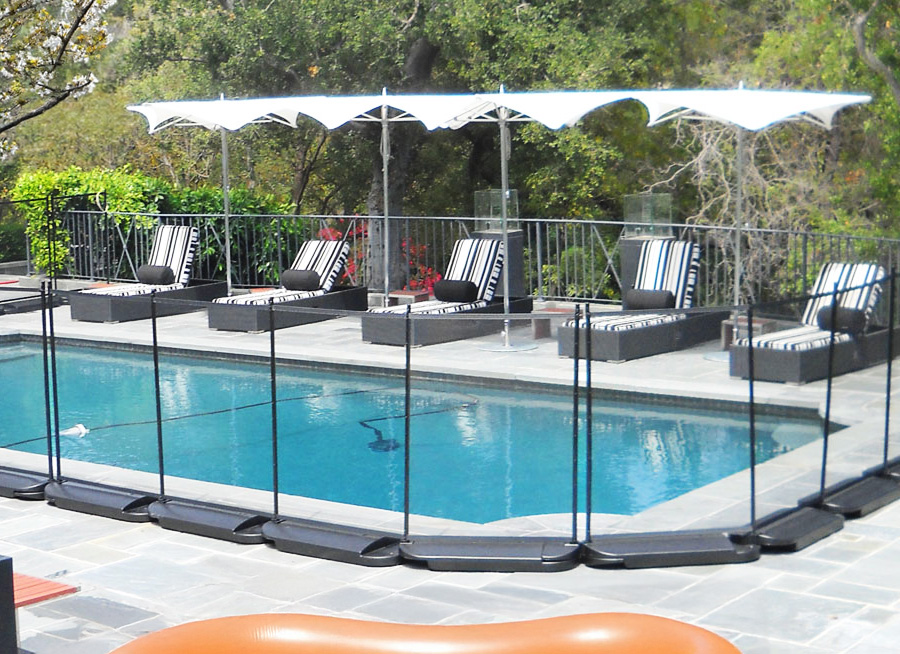
When it comes to protecting your home, storage facility, or business space, the right fence can be the difference between peace of mind and costly breaches. In 2026, local fence experts offer a range of solutions—from sturdy security barriers to elegant residential safety fencing—each tailored to specific needs and budgets. Below is a practical roadmap for picking the contractor who will deliver durability, compliance, and value.
Understand Your Fencing Needs
Before you even start searching for contractors, map out what you truly require:
- Residential safety fencing: Protect children, pets, and curbside traffic.
- Fencing for storage facilities: Guard against theft, weather damage, and unauthorized access.
- Commercial security fencing: Provide perimeter control, brand visibility, and compliance with local codes.
Each use case demands different materials, heights, and design features. Clarifying your goals upfront narrows the field of suitable experts.
Assessing Property Layout and Risk Factors
Begin by walking the perimeter of your property at various times of day to identify blind spots, existing structures that could interfere with a fence line, or areas where wildlife may pose a threat. For residential sites, consider how a fence will interact with neighboring homes—height limits, setback requirements, and visual impact can all influence material choice. In commercial settings, evaluate traffic flow, loading dock locations, and any high‑value assets that require tighter control.
Evaluate Local Fence Experts: Credentials, Experience, Reviews
In my experience, a reliable contractor rarely needs a hard sell; the evidence is in their track record.
I’ve spoken to over 40 local fence installers since 2015. Those who consistently ask about project specifics and provide detailed proposals tend to deliver on time and within budget.Key credentials to verify:
- State or municipal contractor license.
- Proof of liability insurance covering property damage and worker injury.
- Industry certifications (e.g., Association of Fence Professionals).
Interview Process Tips
When you meet a prospective installer, ask them to walk through a recent project in person or show a portfolio of completed work. A reputable contractor will gladly present references and provide access to client contact details. Requesting a written estimate that itemizes every cost line—materials, labor, permits, disposal fees—helps ensure transparency before any contract is signed.
Key Factors for Residential Safety Fencing
Residential fences serve dual purposes—security and aesthetics. Consider these criteria when selecting a contractor:
- Material durability: Wood, vinyl, aluminum, or composite options each have lifespan and maintenance profiles.
- Height & design: Local building codes dictate maximum heights; choose a style that blends with your curb appeal.
- Safety features: Self‑closing gates, child‑resistant latches, and anti‑climb measures.
- Maintenance plan: Some contractors offer post‑installation upkeep packages.
Choosing Color and Style to Match Your Home
A fence is often the first visual cue visitors receive. If your home has a traditional or rustic aesthetic, wood or composite panels in natural tones may be preferable. Conversely, modern homes might benefit from sleek aluminum or vinyl with clean lines. Discuss color options with your installer; many suppliers offer samples that can be painted to match existing trim or siding.
Choosing the Right Materials and Design
Material selection hinges on climate, usage frequency, and budget. Here’s a quick comparison:
| Material | Cost (per ft) | Lifespan | Maintenance |
|---|---|---|---|
| Wood | $3–$7 | 10–15 yrs | Regular sealing |
| Vinyl | $5–$9 | 20+ yrs | Occasional cleaning |
| Aluminum | $6–$12 | 25+ yrs | Low upkeep |
| Composite | $7–$13 | 30+ yrs | Minimal care |
Ask your contractor for material samples and installation photos to ensure they match the promised quality.
Eco‑Friendly Alternatives
If sustainability is a priority, consider recycled aluminum or composite panels that incorporate reclaimed wood fibers. These materials often provide a lower embodied energy footprint while still delivering long‑term performance. Discuss with your installer whether these options are available in your area and how they compare in terms of cost and maintenance.
Security Fence Customization Options
Customization elevates a fence from generic to strategic:
- Integrated sensors: Motion detectors, camera mounts, or alarm triggers.
- Smart gate access: Keypad entry, RFID badges, or mobile app control.
- Reinforced posts and foundations: Steel anchors for high‑security sites.
- Branding elements: Custom colors or logos on guardrails.
Adding Perimeter Lighting and Surveillance Integration
For commercial properties, pairing a fence with perimeter lighting can deter intruders and provide clear visibility for security patrols. Many installers now offer integration points for CCTV cameras directly into the gate or post design, allowing seamless mounting without additional hardware.
Fencing for Storage Facilities – Special Requirements
Storage customers often face a unique set of challenges: weather exposure, vandalism, and tight budgets. When hiring an expert, prioritize:
- Weather‑resistant materials: PVC or galvanized steel resist rust.
- Access control systems: Keypad locks or biometric scanners reduce theft risk.
- Modular design: Allows expansion as storage needs grow.
- Compliance with local fire codes: Ensure clearances for emergency access.
Grading & Drainage Considerations
A poorly graded site can lead to water pooling behind a fence, weakening foundations and encouraging mold growth. Before installation, the contractor should assess slope, drainage patterns, and soil stability. Proper grading ensures that rainwater runs off away from the structure, extending its lifespan and preventing costly repairs.
Commercial Security Fencing Considerations
Business owners face higher stakes: protecting inventory, ensuring employee safety, and meeting regulatory standards. Focus on:
- Height regulations: Many municipalities require fences above 6 ft for commercial sites.
- Visibility and signage: Clear perimeter lines improve security patrols.
- Durability against heavy use: Reinforced posts, thicker rails, and impact‑resistant gates.
- Future‑proofing: Options to integrate IoT devices as technology evolves.
Risk Assessment and Incident Response Planning
Work with your fence contractor to map out potential breach points and develop a response protocol. This may include installing motion sensors that trigger an alarm, ensuring gate access logs are recorded, or coordinating with local law enforcement for rapid response.
Cost Estimation and Budgeting Tips
Fence costs vary widely; a realistic budget starts with a detailed quote:
- Get three independent estimates for comparison.
- Ask for a breakdown of materials, labor, permits, and disposal fees.
- Inquire about warranty terms—a solid fence should last at least 10 years with proper care.
- Consider long‑term maintenance costs; cheaper upfront options may balloon over time.
Financing and Incentives
Many local municipalities offer rebates or tax incentives for installing security fencing that meets fire safety or stormwater requirements. In addition, some contractors partner with financing companies to spread the cost over months or years, making larger projects more affordable upfront.
Common Mistakes to Avoid When Hiring a Fence Contractor
Even seasoned buyers slip into these pitfalls:
- Choosing the lowest bid without scrutinizing quality.
- Skipping written contracts or ignoring scope details.
- Overlooking local zoning or HOA restrictions.
- Accepting vague warranties that exclude common wear and tear.
- Lack of clarity on post‑installation support.
- Ignoring the need for proper grading and drainage.
How to Verify Licenses, Insurance, and Guarantees
The final step is due diligence:
- License check: Use your state’s contractor licensing database.
- Insurance confirmation: Request a certificate of liability before signing.
- Ask for references and portfolio samples to validate workmanship.
- Confirm the warranty covers both materials and labor for at least 12 months.
What is the biggest challenge you face when selecting a fencing contractor for your property?