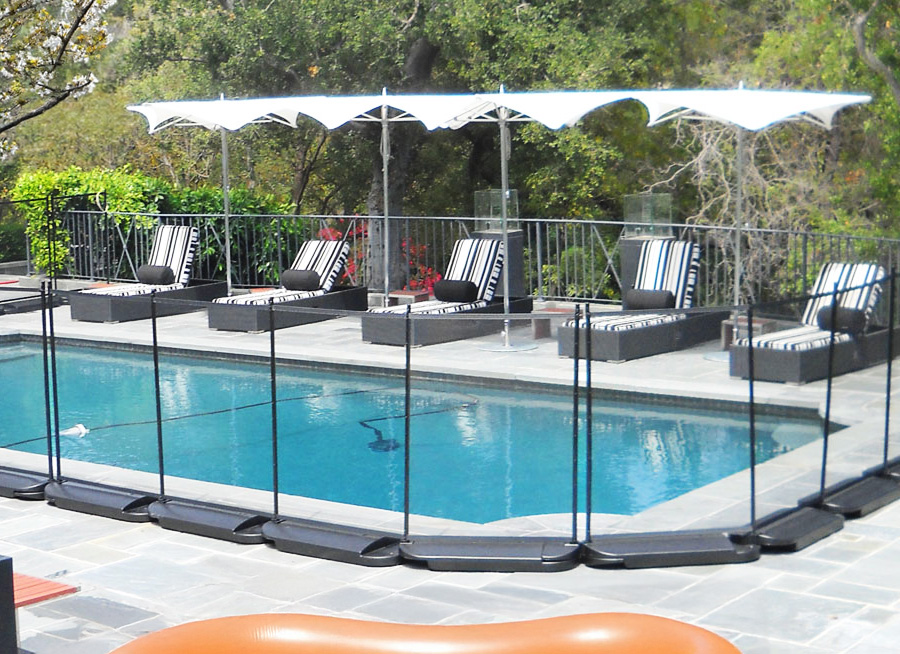
Boundary marking solutions for Pool Security Fence in Jacksonville, FL
When it comes to keeping kids and pets safe around a pool, the first line of defense is a reliable fence. In Jacksonville, where many homeowners enjoy multiple pools or shared backyard spaces, boundary marking solutions are not just a legal requirement—they’re an essential part of risk management. Below I break down what drives pricing for these fences and how to choose options that balance safety, aesthetics, and budget.
Key takeaway: The cost of a pool security fence hinges on material choice, local regulations, installation complexity, and whether you opt for eco‑friendly or decorative finishes.1. Understanding the regulatory backdrop in Jacksonville
Florida’s 2008 Safe Swimming Act mandates that every residential pool be surrounded by a fence that meets specific height, gate, and latch requirements. In Jacksonville, building codes further dictate setbacks from property lines and public sidewalks. These regulations influence pricing because:
Regulatory factors that add to cost
- Compliance with state safety standards (height, lockable gates)
- Local permit fees and inspections
- Potential need for a structural engineer’s review for larger pools or multi‑unit complexes
- Special requirements for commercial or community pools, such as fire‑resistant materials
In my experience, skipping the permit process can lead to fines that outweigh any savings on the fence itself. Always factor in these administrative costs when budgeting.
Additionally, Jacksonville’s local enforcement agencies regularly conduct safety inspections, especially after storms or during peak summer months. A well‑installed fence not only protects families but also helps homeowners avoid costly penalties and ensures a smoother insurance claim process if an incident occurs.
2. Material choices: From mesh panels to decorative steel
The material you select directly affects both upfront cost and long‑term maintenance. Jacksonville’s humid subtropical climate pushes fences toward corrosion resistance, especially for metal options. Here are the primary categories:
Common fence materials and their price ranges
- Aluminum mesh panels: $20–$35 per square foot; lightweight, rust‑resistant, easy to install.
- Steel mesh panels (galvanized): $25–$40 per square foot; heavier, stronger, requires professional installation.
- Wooden slats or panels: $15–$30 per square foot; natural look but needs regular sealing in humid climate.
- Composite boards (PVC‑wood blends): $25–$45 per square foot; low maintenance, durable, eco‑friendly options available.
- Decorative steel or wrought iron: $35–$60+ per square foot; premium finish, often custom‑made.
Choosing aluminum mesh is often the sweet spot for Jacksonville homeowners because it balances cost with resistance to rust and easy installation. However, if you’re aiming for a high‑end aesthetic, decorative steel might be worth the extra outlay.
When evaluating durability, consider that aluminum’s natural oxide layer provides long‑lasting protection, whereas steel may require periodic repainting or galvanization maintenance to prevent corrosion in the salty, humid air of coastal Jacksonville.
3. Installation complexity: Labor vs. DIY
The way a fence is installed can sway prices significantly. Professional installation ensures code compliance, proper anchoring, and smooth operation of gates.
Factors affecting labor costs
- Site preparation: Leveling the ground, clearing debris, or digging deeper for anchor points adds hours.
- Gate placement: Complex gate designs or multiple entry points increase labor time.
- Structural reinforcement: If the fence needs support beams due to uneven terrain, costs rise.
- Custom finishes: Painting or coating a decorative steel perimeter requires specialized skills.
In my experience, hiring a licensed contractor in Jacksonville typically adds 20–30% to material cost but reduces risk of code violations that could lead to costly re‑work. DIY installers may save money upfront, but they often lack the expertise for proper anchoring and gate locking mechanisms—critical components for safety.
Additionally, professional installers are familiar with local permit procedures, saving homeowners time and preventing potential delays during the inspection phase.
4. Eco‑friendly fencing solutions: What’s the real benefit?
Many homeowners in Jacksonville are turning to sustainable materials that reduce environmental impact without compromising security. These options can influence pricing in both directions:
Eco‑friendly options and their cost implications
- Recycled aluminum panels: Slightly higher upfront price ($22–$38 per square foot) but lower lifecycle costs due to durability.
- Composite boards made from recycled plastics: $27–$48 per square foot; minimal maintenance and no need for painting.
- Bamboo or engineered wood with low‑VOC sealants: $18–$32 per square foot; natural look but requires periodic re‑sealing.
While the initial investment may be higher, eco‑friendly fences often earn rebates or tax incentives from local green initiatives. Moreover, reduced maintenance translates to savings over time—especially important in humid Jacksonville weather where rust and rot are common culprits.
Choosing a recycled aluminum option also aligns with a growing trend of environmentally conscious design, allowing homeowners to showcase their commitment to sustainability without sacrificing safety.
5. Quick fence repairs: When things go wrong
Even the best-installed fences can encounter damage—from accidental impacts by pets or children to wind‑borne debris. Having a repair plan can mitigate long‑term costs.
Common repair scenarios and typical costs
- Panel replacement: $200–$500 per panel depending on material.
- Gate latch or lock replacement: $100–$250 for mechanical fixes.
- Structural reinforcement after impact: $300–$700 if beams need strengthening.
In my experience, scheduling routine inspections—especially after severe weather—helps spot damage early. Quick repairs prevent the small issues from turning into costly overhauls.
Prompt attention to a dented panel or a loose latch not only restores safety but also preserves the fence’s aesthetic integrity and prolongs its lifespan.
6. Decorative perimeter security: Making safety stylish
Safety fences don’t have to be bland. Jacksonville homeowners often integrate decorative elements that complement their landscaping while adhering to code.
Decorative options and cost ranges
- Wrought iron gates with custom designs: $400–$1,200+ depending on complexity.
- Glass panels with frosted patterns: $30–$50 per square foot; allows light while maintaining privacy.
- Plant‑integrated fences (living walls): $15–$35 per linear foot plus plant maintenance.
Balancing aesthetics and cost involves selecting a base material that meets safety standards—often aluminum or steel—and then adding decorative accents. In my experience, homeowners who invest in custom gate designs often see higher resale value because the fence becomes part of the property’s visual identity.
Integrating native plants into a living wall not only enhances curb appeal but also creates a natural barrier that can soften the appearance of a rigid steel frame.
7. Putting it all together: A step‑by‑step budgeting guide
Below is a practical framework to estimate total cost for a typical 12‑foot by 30‑foot pool boundary in Jacksonville:
Sample cost breakdown (approximate)
- Materials (aluminum mesh): 360 sq ft × $28 = $10,080
- Labor (installation + gate): 20% of material cost ≈ $2,016
- Permits & inspections: $300–$500
- Eco‑friendly sealant or coating: $400–$600
- Optional decorative gate: $800–$1,200
- Total estimate: $13,596 – $14,396
The range reflects variations in material choice and optional upgrades. Use this as a baseline when consulting local contractors.
Adding a 10% contingency for unforeseen site conditions—such as uneven ground or hidden utilities—helps keep the project within budget while ensuring quality workmanship.
8. Choosing the right contractor in Jacksonville
Beyond cost, quality of work is paramount. When vetting potential installers:
- Check for Florida licensing and insurance compliance.
- Ask for references from recent pool fence projects.
- Verify that they understand local building codes and the Safe Swimming Act.
- Request a detailed written estimate, including breakdown of labor, materials, permits, and warranty terms.
In my experience, contractors who provide a clear, itemized quote are more likely to stay within budget. Transparent pricing helps you avoid hidden fees that creep in during the final stages.
Additionally, reviewing past project photos or visiting completed sites can give insight into craftsmanship and adherence to safety standards.
9. Maintenance tips to extend fence life
The long‑term savings come from proper upkeep. Here’s what I recommend for Jacksonville’s climate:
- Inspect fence and gate hinges every 3–6 months for looseness.
- Apply rust‑preventative coating annually if you’re using steel panels.
- Seal wooden or composite boards every 2 years to protect against moisture.
- Clear debris from gutters, drains, and gate openings to prevent water buildup.
Regular maintenance reduces the likelihood of quick repairs—keeping your fence safe and cost‑effective for decades.
Consider setting a seasonal checklist that aligns with Florida’s wet months: before spring rains, after summer storms, and during fall foliage changes. A proactive approach can save both time and money over the fence’s lifespan.
10. Final thoughts: Balancing safety, aesthetics, and budget
Choosing boundary marking solutions for a pool security fence in Jacksonville is a decision that blends compliance, material science, local climate considerations, and personal taste. By understanding the key price drivers—material cost, labor complexity, regulatory fees, and optional decorative elements—you can make an informed choice that protects your family without breaking the bank.
Ultimately, investing in a fence that meets or exceeds state standards not only safeguards loved ones but also enhances property value and provides peace of mind. Whether you prioritize affordability, eco‑friendly credentials, or striking design, a well-chosen pool fence is a long‑term investment worth every penny.
What’s one feature you consider non‑negotiable when selecting a pool fence for your home?